




 Date:
22 Aug, 2026
Date:
22 Aug, 2026 Classic Motorcycles
 Posted by
Super Admin
Posted by
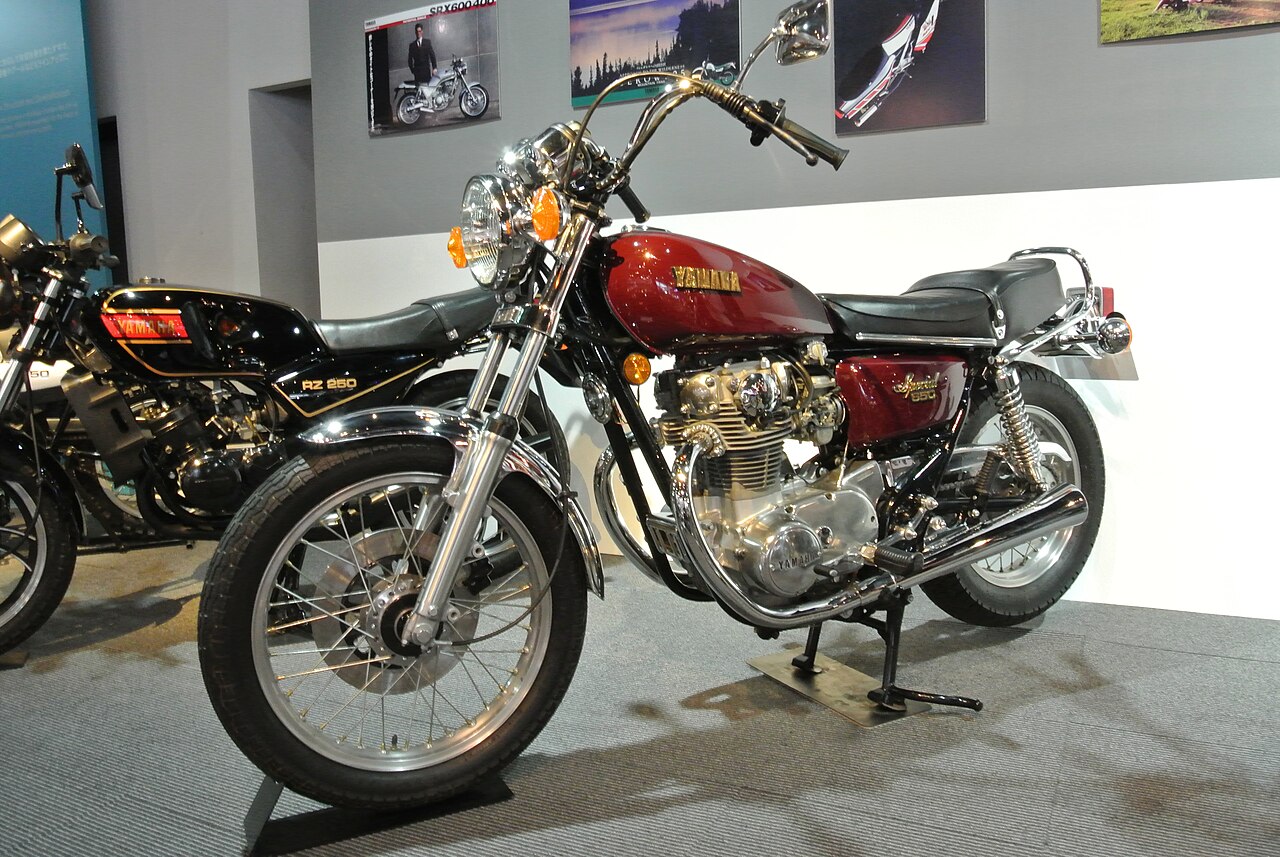
Super AdminI've lost count of how many XS650s I've seen parked outside a coffee shop wearing some flavor of custom bodywork - bobbed fenders, a one-off seat, drag bars. There's a reason for that. Yamaha built roughly a quarter million of these parallel twins between 1970 and 1985, and it became the default platform for home-built customs almost as soon as it hit showrooms. Underneath the paint jobs, though, sits a genuinely interesting old motorcycle with a handful of well-known weak points, and if you're thinking about buying one, you should know what you're signing up for before you hand over cash.
Why It Became Everyone's Project Bike
The XS650 debuted at the 1969 Tokyo Motor Show and went on sale the following spring - Yamaha's answer to the big British twins, with a 654cc air-cooled parallel twin, unit-construction engine and gearbox, and a 360-degree crank laid out much like a Triumph or BMW of the era. The difference was that it started and ran like a Japanese bike, not a British one. That mix of familiar layout with real reliability is why it became the go-to donor for chopper, bobber, and cafe racer builds through the seventies and beyond. Ask XS650 people which year to chase and a lot of them point to 1977 as the best sorted of the run.
Points Ignition Wearing Owners Down
Early and mid-run bikes use breaker points, which need regular adjustment to keep starting clean - miss a service interval and you'll notice it first thing on a cold morning. It's the most common upgrade conversation on the XS650 Forum, and it's not close.
PAMCO electronic ignition
Owners who get tired of fiddling with points usually fit a PAMCO unit, a Hall-effect ignition that replaces the points and stock TCI box for around two hundred dollars and adds electronic advance. People report smoother running across the rev range, and PAMCO holds up better at low voltage than the stock system - which matters on a bike already prone to charging issues. Boyer Bransden is the other name that comes up constantly as an alternative.
The Wiring Harness That Melts Itself
This one sounds dramatic, and it is. Search the forums for XS650 wiring and you'll find thread after thread describing the black ground wire from the rectifier to the fuse box getting hot enough to melt its own insulation. The cause is almost always a corroded or loose rectifier ground - resistance builds at that connection, it heats up like a stove element, and the wire cooks itself from the inside. On some year harnesses that circuit isn't even fused, which turns a wiring gremlin into a real fire risk. Cleaning every ground connection is step one; plenty of owners go further and fit a simplified aftermarket harness or add fusing Yamaha never included.
Charging System Failures
On the later 1980-1984 models especially, the solid-state voltage regulator is an old-age failure point, and the rotor isn't far behind - insulation shorts, weakening magnets, worn brushes losing contact. Riding on a weak battery accelerates rotor failure, so a tired battery is worth replacing before it takes the rotor with it. Enough owners have gotten fed up with the stock regulator-rectifier that swapping in an automotive-style ground-switching regulator with a separate three-phase rectifier has become a common, reportedly more reliable, workaround. The stator itself tends to hold up fine - used ones are cheap because nobody needs them.
Cam Chain Tensioner and Oil Leaks
Type D tensioner
The early tensioner design, known as the Type D, has a real flaw - on a fresh chain you can't tighten it down without the adjuster screw fouling itself, and the cap can work loose over time. Yamaha added a lock nut starting with the 1981 tensioners. The accepted fix now is to skip repairing the Type D and swap in the later Type E assembly, which runs about twenty dollars complete.
Head gasket and pushrod tube leaks
Oil weeping around the cylinder base usually traces back to the head fasteners needing a proper retorque, done in a crisscross pattern per Yamaha's own service bulletin rather than just cranking everything down again. Worn pushrod bushings are a related headache: a worn bushing lets the pushrod wobble and blow past the seal, so replacing the seal alone without the bushing just buys a few more months before it leaks again.
Vibration You Feel in Your Hands
That 360-degree crank means both pistons rise and fall together with nothing counterbalancing them, so vibration isn't a defect on an XS650 - it's baked into the design. Owners generally call it tolerable up to around 60 miles an hour and genuinely unpleasant past 70. The fix talked about most is a 277-degree crank rephase, a bottom-end machining job that noticeably smooths things out versus stock, though nobody claims it turns the engine into a turbine - a non-counterbalanced parallel twin is never going to be perfectly smooth.
What They Actually Cost
Prices on these are still refreshingly sane next to where British twins from the same era have gone.
Project bikes
Rough runners and basket cases turn up in classifieds regularly in the $800 to $2,000 range - most need a full electrical and ignition sort before they're rideable, which is worth factoring in.
Rideable, decent condition
A solid, sorted example generally lands between $3,000 and $7,500. Iconic Motorbike Auctions sold a 1977 with 13,260 miles and sensible upgrades - dual front discs, stainless lines, an LED headlight - for $2,750 including fees, and a 1979 Special brought just over $5,000 on eBay a few years back.
Excellent originals and well-built customs
Clean, well-documented bikes or genuinely well-executed customs can push toward $8,000 to $12,000 in enthusiast circles, though most of what actually trades hands sits closer to that $3,000 to $7,500 middle ground.
Buying One With Your Eyes Open
None of this makes the XS650 a bad bike to own - every problem on this list has a known fix and a healthy parts supply behind it, more than you can say for plenty of other machines this age. It does mean you should budget for an ignition upgrade and a real look at the wiring and grounds early on, even if the seller swears everything works fine. Ask when the points were last set, ask if the harness has ever been touched, and take a long test ride past 60 before you decide the vibration doesn't bother you. Do that homework and an XS650 is one of the more rewarding classics you can actually afford to ride regularly.



Comment (00)