





 Datum:
24 okt., 2026
 Classic Cars
 Geplaatst door
Super Admin
Two classic cars of the same model and year can sit at very different prices, and the reason is often a single word in the listing: original, restored, repainted. Once a car has been restored, its originality cannot be put back. That one-way door explains why collectors argue about condition with such conviction, and why it pays to understand the vocabulary before you bid.
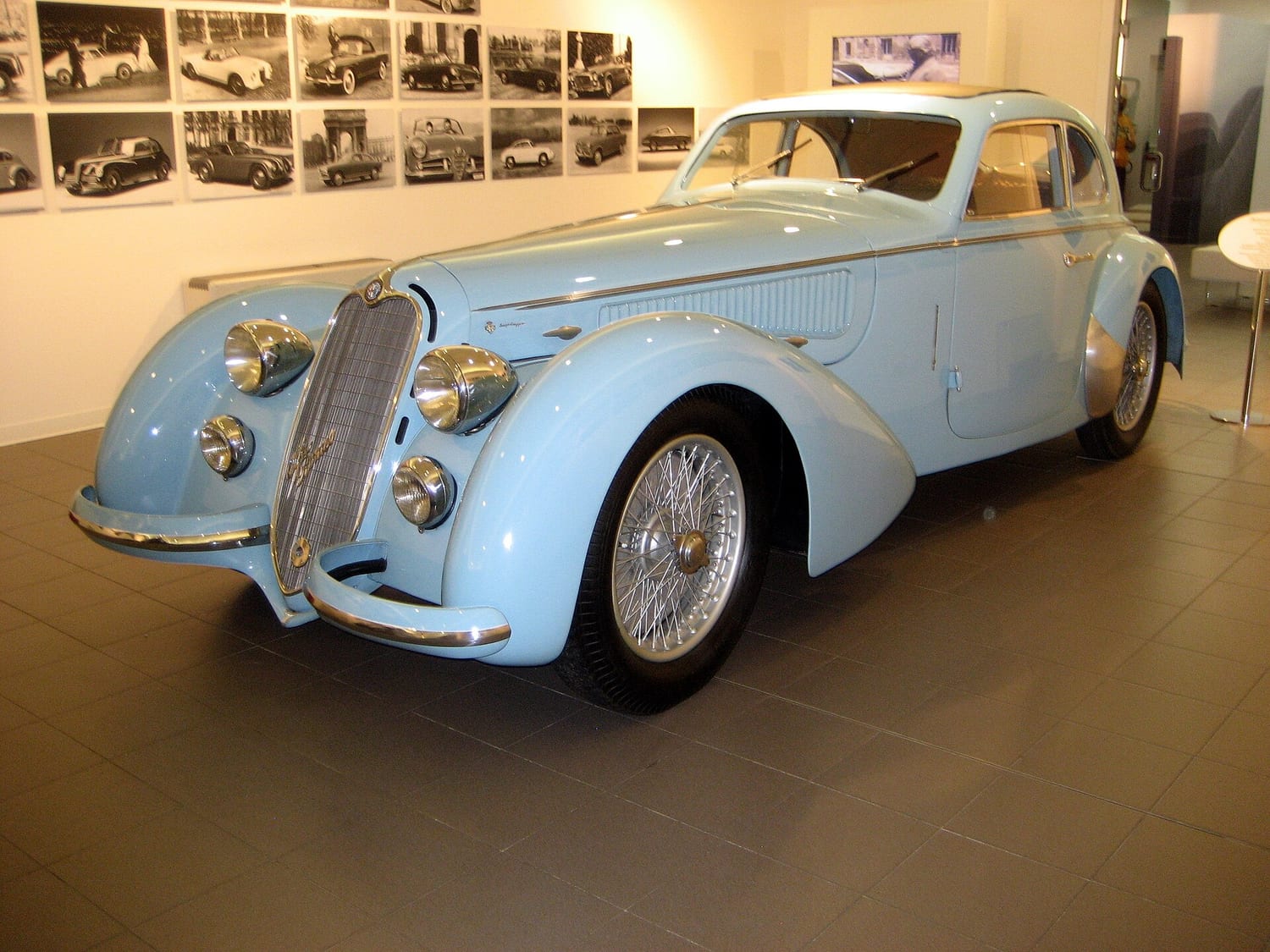
The Four Conditions
Listings use many words, but most cars fall into four groups.
Concours restored
A car restored to a standard that equals or exceeds how it left the factory, usually with documented work and correct parts. It is judged on accuracy as much as on shine.
Restored
A car that has been taken apart and rebuilt, to a good standard or a lesser one. The quality varies enormously, so the details and the photo file matter more than the label.
Original or survivor
A car that has kept most of its factory paint, interior and mechanical parts, showing honest age. It has been maintained, not restored.
Repaired or repainted
A car that has had bodywork or a respray without a full restoration. The question is how well, and whether the work is documented.
Why Originality Has Gained Ground
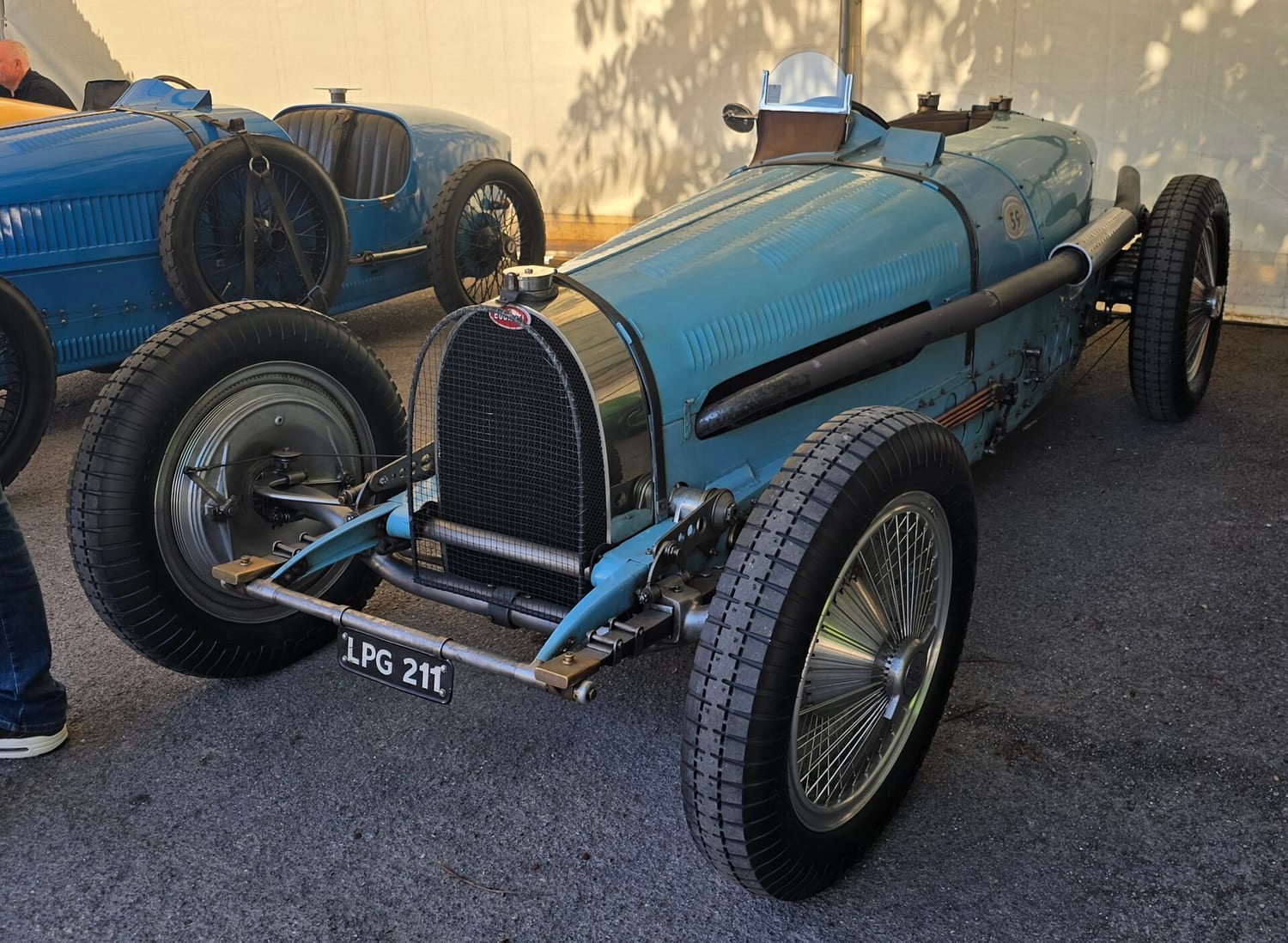
For a long time, the best classic car was the one that looked new. That has shifted. At the Pebble Beach Concours d'Elegance, preservation cars were first recognised with a trophy in 1999, a class devoted to pre-war preservation cars followed in 2001 and a post-war preservation class was added in 2007. In 2024, for the first time in the history of the show, Best of Show went to a preservation car: a 1934 Bugatti Type 59, left original and unrestored. It was a clear signal that unrestored cars can win against the best restorations.
What Patina Is and Is Not
Patina is the honest wear of age: softened paint, a mellowed interior, a worn driver's seat. It is not the same as neglect. Surface rust, perished rubber and a leaking engine are not patina, they are work to be done. A car with true patina is one where everything is original and cared for, and where the age shows without hiding damage. Our guide on originality and patina takes this further.
How to Read the Paint
Original paint usually has a slightly softer finish than a modern respray, with the small imperfections of factory application. Look at places a repainter often skips: inside the door shuts, under the bonnet, around the rubber seals and the edges of the boot. A respray often leaves overspray on rubbers, masking lines or a colour that does not quite match the interior. A paint-thickness gauge will show repainted panels on a steel body, though it will not tell you how well the work was done.
Which Is Worth More
There is no universal answer. A highly original, well preserved car of a rare model often commands a premium, because it cannot be recreated. A well-documented, correct restoration of the same car can also be very valuable, especially when the original was in poor shape. A poor restoration, or an undocumented respray, usually sells for less than a sound original of the same model.
Choosing for How You Will Use It
If you want to drive the car, a sympathetically restored one may suit you better than a fragile survivor that you would be afraid to use. If you want to preserve a piece of history, a survivor is the more honest choice. Decide before you bid which of these you want to own, then look at the evidence: photos, history file and the physical signs described above. Our article on condition grades and the earlier post original vs restored help you compare. Then see what is available among our classic cars.
Photo credit: MrWalkr (CC BY-SA 4.0), Neal Parish (CC BY-SA 2.0), Calreyn88 (CC BY-SA 4.0)





Comment (00)