




 Datum:
5 Oct, 2026
Datum:
5 Oct, 2026 Classic Motorcycles
 Veröffentlicht von
Super Admin
Veröffentlicht von
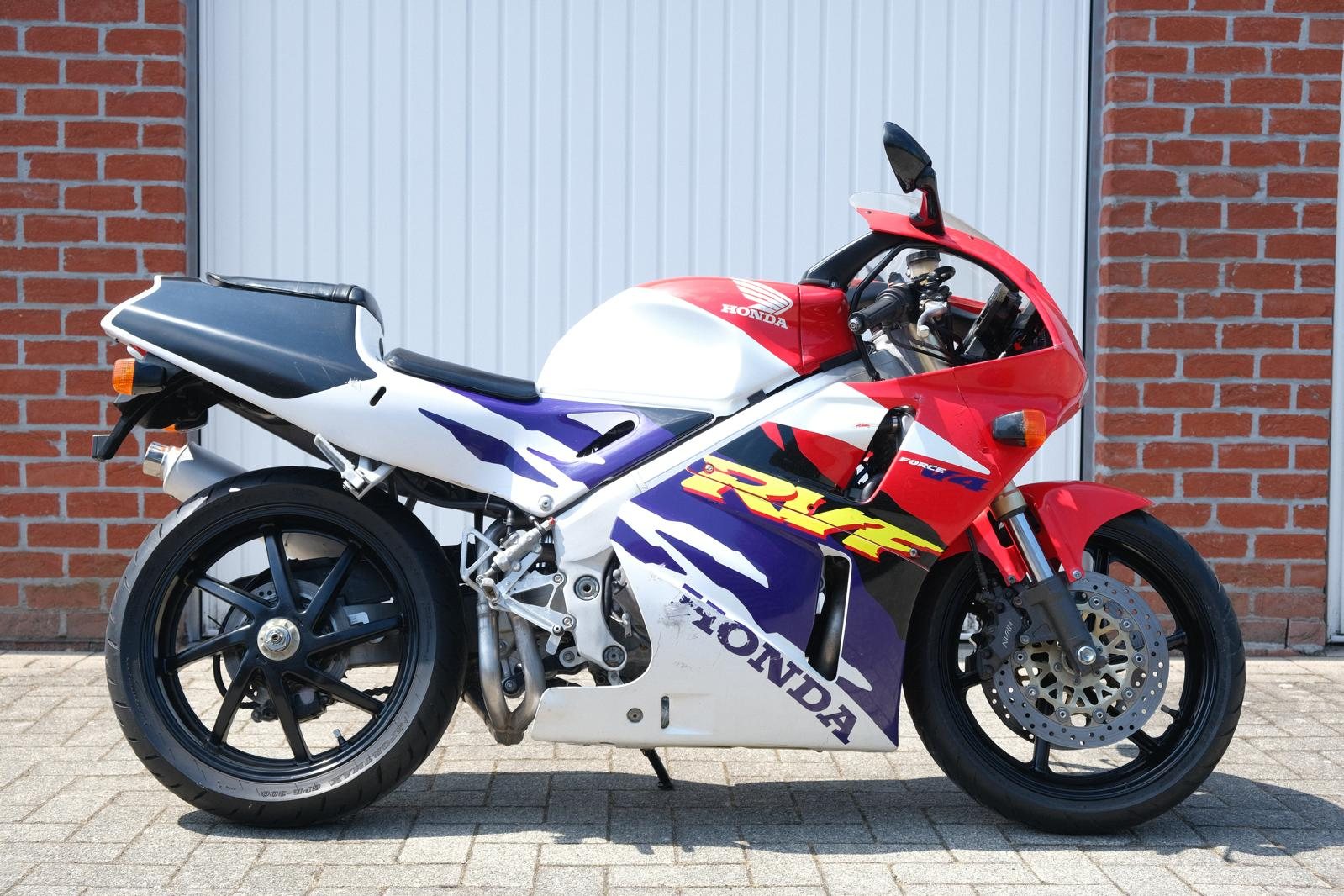
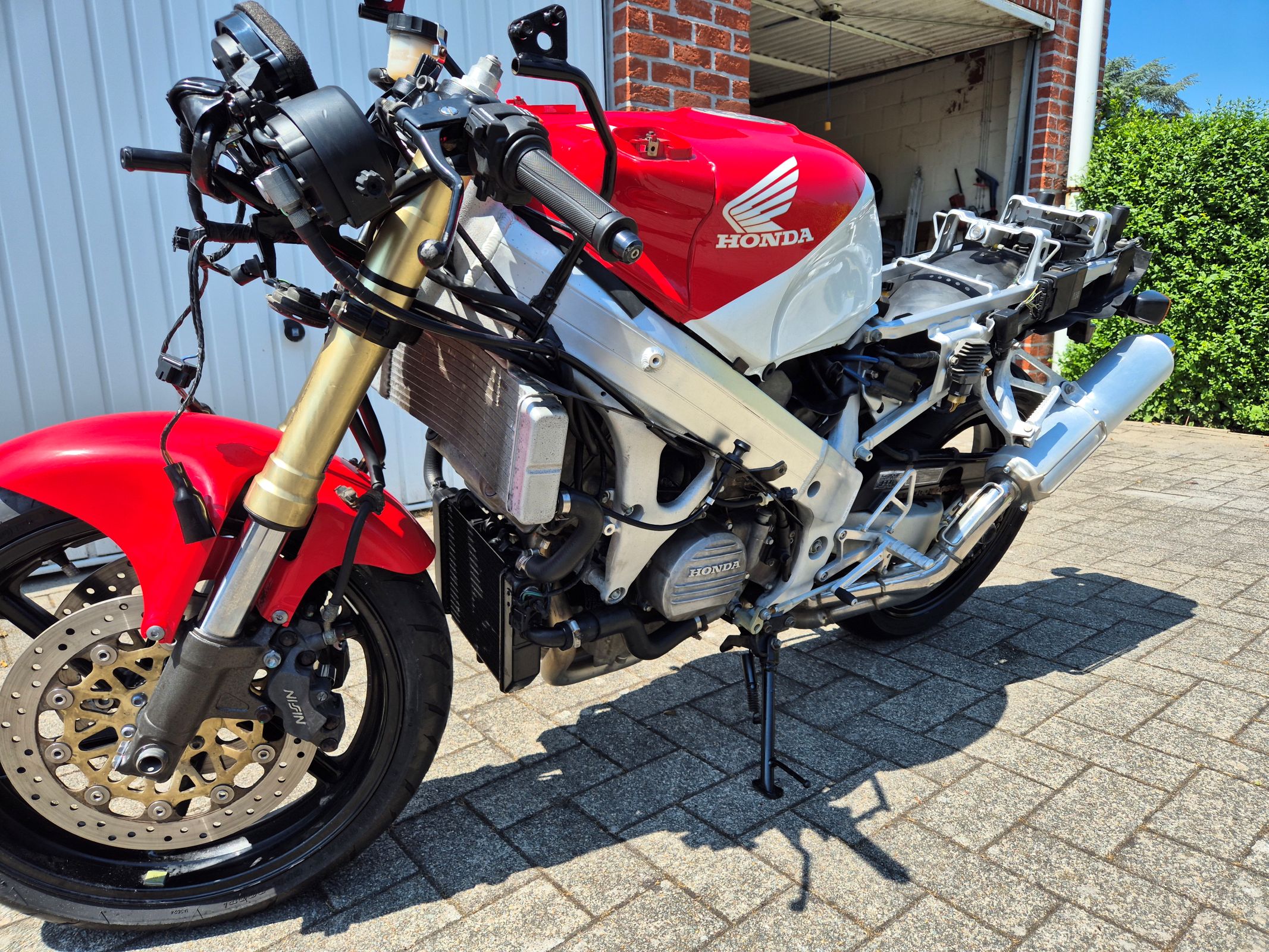
Super AdminEvery so often a bike that was never officially sold outside its home market ends up being the one serious collectors quietly chase hardest. The Honda RVF400R, known by its chassis code NC35, is exactly that kind of machine. Built for Japan only between 1994 and 1998, it was Honda's way of putting RC45 superbike thinking into a 400cc package small enough for Japan's domestic licensing rules, and big enough in spirit to make grown adults sell other bikes just to afford one.
We recently had a genuine example on the site, a Honda RVF400R NC35 with 18,101 km on the clock, and it's a good excuse to walk through what makes this bike special, where it tends to bite new owners, and what people are actually paying for good ones right now.
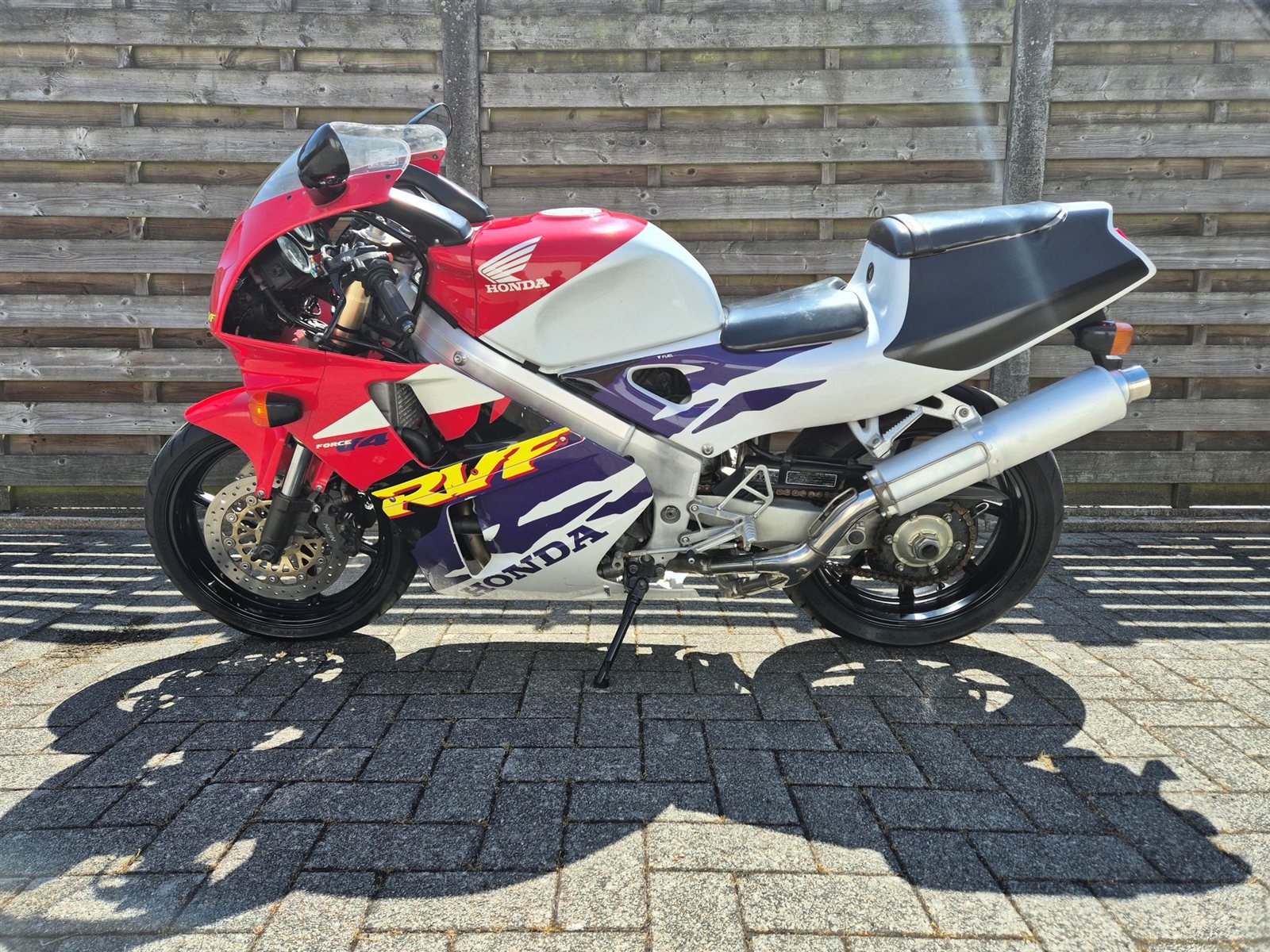
A baby RC45 that Japan kept to itself
The NC35 replaced the earlier VFR400R (NC30) in 1994 and borrowed its silhouette almost directly from Honda's RVF750R and RC45 endurance and World Superbike machines. It was built to satisfy Japan's domestic 400cc class, a category that produced some of the most over-engineered small-capacity sportbikes ever made, because manufacturers were racing each other for bragging rights in a market that genuinely cared. Honda, Yamaha, Suzuki and Kawasaki all built 400s with full race-replica chassis, close-ratio gearboxes and engines that revved like something twice the size. The NC35 was Honda's answer, and it shows in every detail.
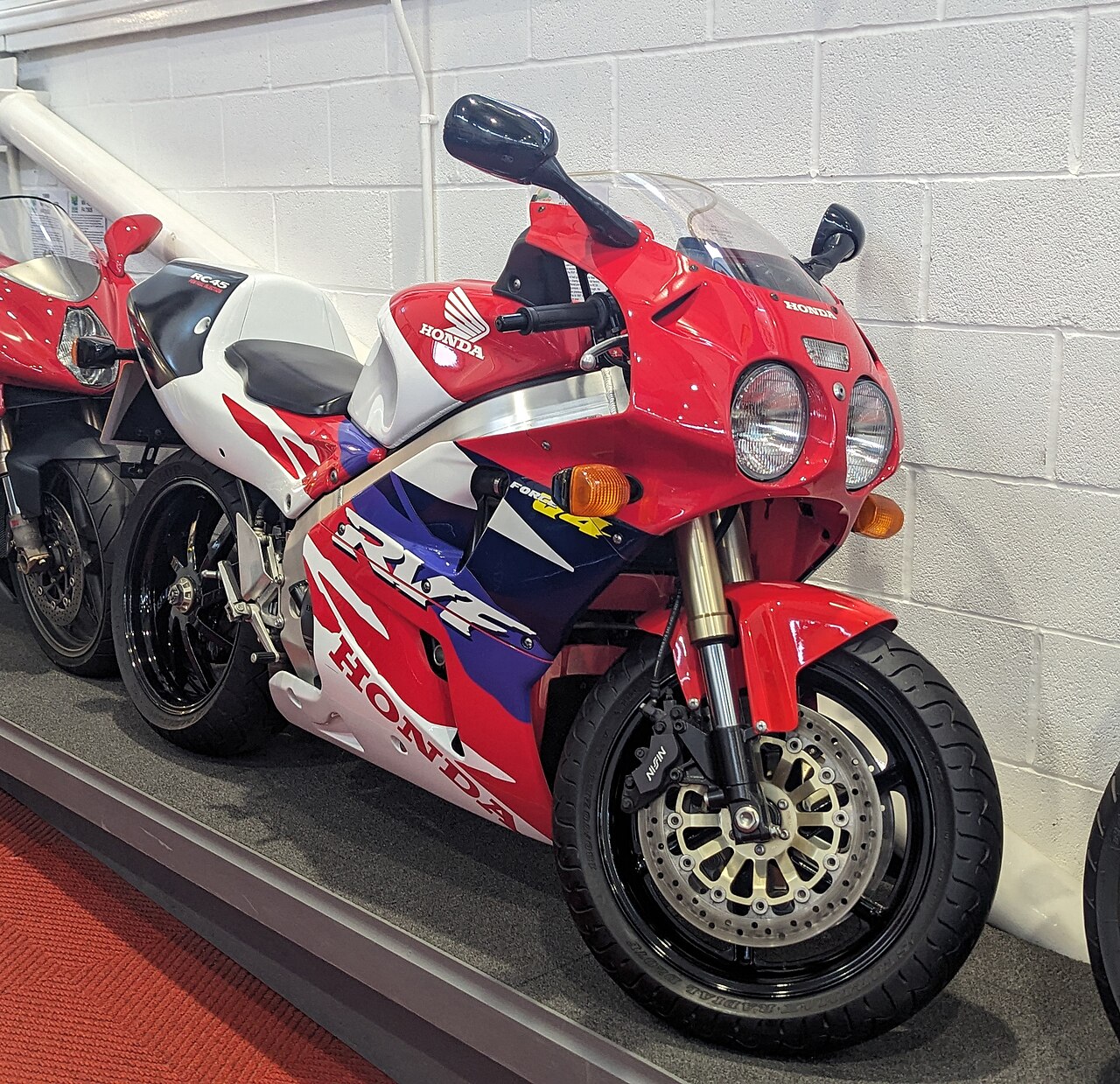
What's actually under the bodywork
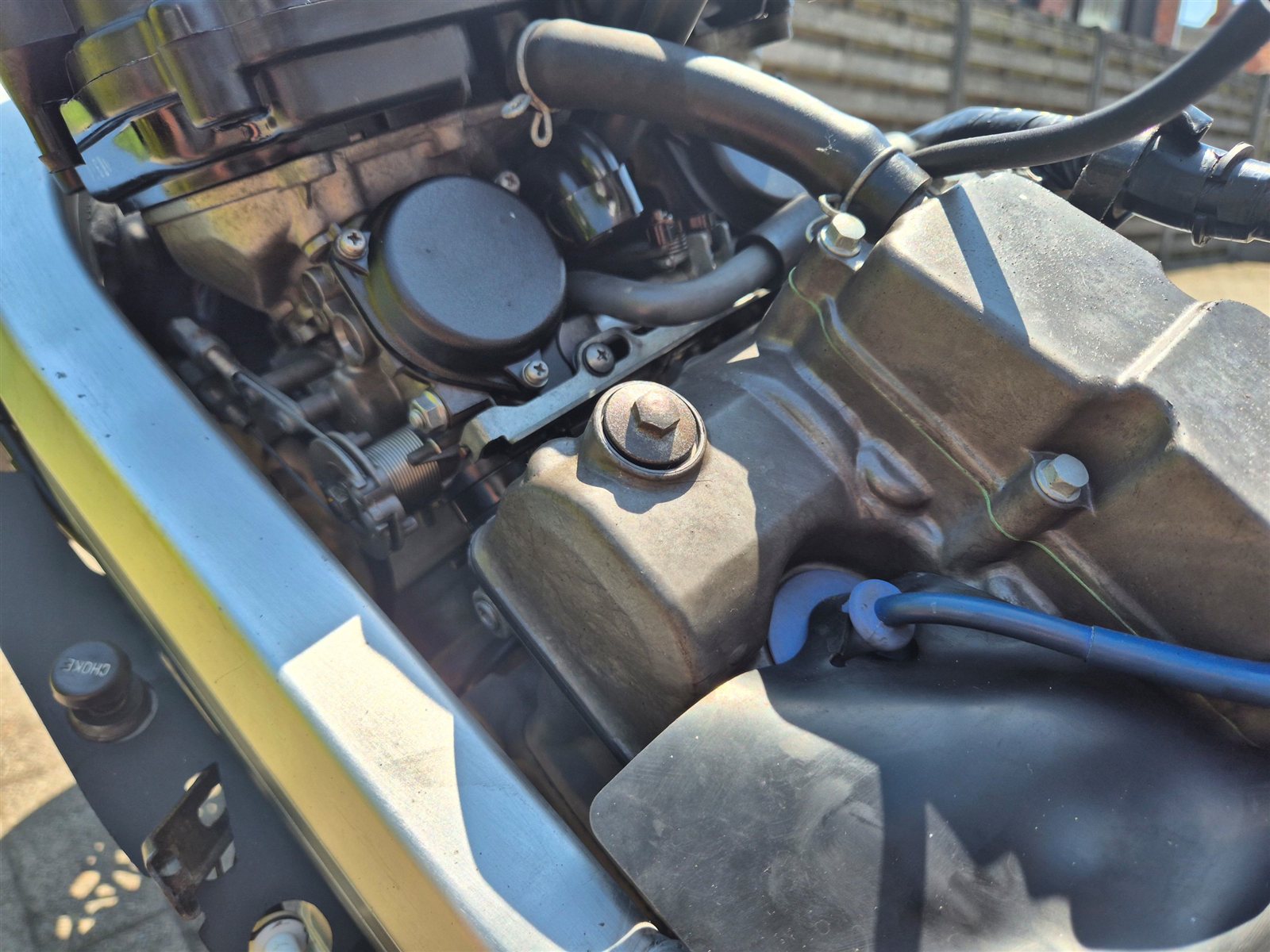
The heart of the bike is a liquid-cooled, 399cc, 90-degree V4 with gear-driven cams and four valves per cylinder, feeding through quad 28mm carburettors. Official output was around 59 to 61 horsepower at a screaming 12,000 to 13,000 rpm, numbers that sound modest until you remember this is a motor that wants to be revved, not lugged. It sits in an aluminium twin-spar frame with 41mm inverted Showa forks and a single rear shock, dimensions and geometry lifted almost wholesale from the RC45. At a dry weight hovering around 162kg, the power-to-weight math works out better than the raw horsepower figure suggests.
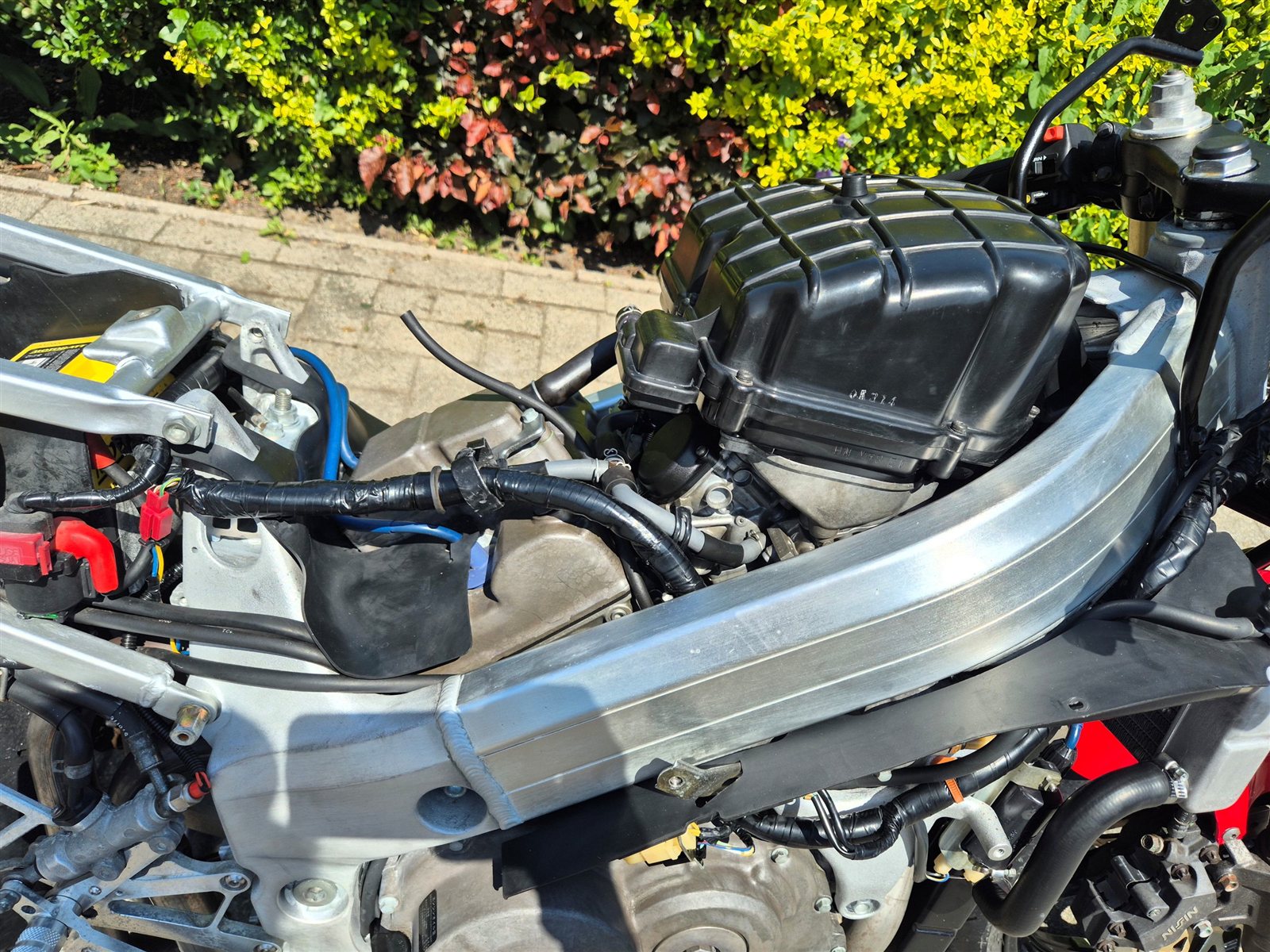
The electrical gremlin everyone eventually finds
If you spend any time reading owner forums on the NC30 and NC35 family, one complaint comes up more than any other: the regulator-rectifier. Honda tucked it in a spot with poor airflow, right where engine heat collects, and the factory unit is known to cook itself over time. Owners report blown fuses, flickering lights, and eventually a dead battery that no amount of charging fixes. The fix most long-term owners land on is swapping to an aftermarket unit like an SH847 or an Electrex equivalent with better heat tolerance, mounted somewhere the airflow can actually reach it. It's a known quantity rather than a mystery, which is exactly the kind of problem you want on a 30-year-old bike.
The rattle that sounds worse than it is
The other recurring topic is cam chain tensioner noise. A cold engine might be dead silent, a half-warm one can rattle like a bag of bolts around idle, and depending on wear it can persist through the rev range once fully warm. It rarely means catastrophic damage is imminent, but it does mean the tensioner and chain guides are due for inspection, and on a bike this age that's a sensible pre-purchase check rather than something to put off. Budget for it mentally even if the bike you're looking at sounds fine on the test ride, because these things tend to announce themselves gradually.
What they're actually selling for
Auction results over the last couple of years give a reasonably clear picture of where the market sits.
Rider-condition examples
Honest, higher-mileage bikes with some cosmetic wear have been clearing around 8,600 to 10,000 dollars at specialist auctions, often with a bit of deferred maintenance already noted by the seller.
Clean, well-sorted bikes
Tidier examples with service history and fresh consumables have been landing closer to 13,000 to 14,500 dollars, which is where most buyers should expect to be if they want something they can ride without a to-do list.
Low-mileage collector pieces
The outlier end of the market is real too. A 1998 example with under 1,000 miles sold for over 31,000 dollars, a reminder that genuinely untouched Japanese grey-market exotics are starting to get treated like the limited-production Italian bikes they were always competing with on paper.
Buying one without regrets
A few things worth checking before you commit, whether you're looking at ours or anyone else's:
- Import paperwork - as a Japan-only model, every NC35 outside Japan arrived as a grey import, so confirm the registration and compliance history is clean and complete.
- Regulator-rectifier - ask whether it's been replaced, and if not, treat it as a near-term expense rather than a maybe.
- Cold start rattle - listen carefully from stone cold, then again once fully warm, and compare notes on how it changes.
- Fairing condition - original NC35 bodywork is getting hard to source and expensive when you find it, so factor panel condition heavily into the price.
- Carburettor balance - four carbs that have sat unbalanced for years will show up as a rough idle and flat midrange, worth a proper sync check.
If carb work is new territory for you, our piece on getting a stubborn carburetted bike running again walks through the diagnostic order that applies just as well to a V4 as a single.
Why this one matters now
Bikes like the NC35 spent years undervalued simply because they weren't sold in Western markets and most buyers never got to throw a leg over one. That gap is closing fast. The same thing happened with Italian exotics a decade ago, and we covered a similar price reckoning in our look at what you actually pay for a Ducati 916 today. The RVF400R is following a familiar curve: scarcity, race-bred engineering, and a shrinking pool of clean survivors. If you've been curious about one, it's worth watching our live auctions rather than waiting for the next price jump to make the decision for you.


Comment (00)