




 Date:
22 Aug, 2026
Date:
22 Aug, 2026 tips and tricks
 Posted by
Super Admin
Posted by
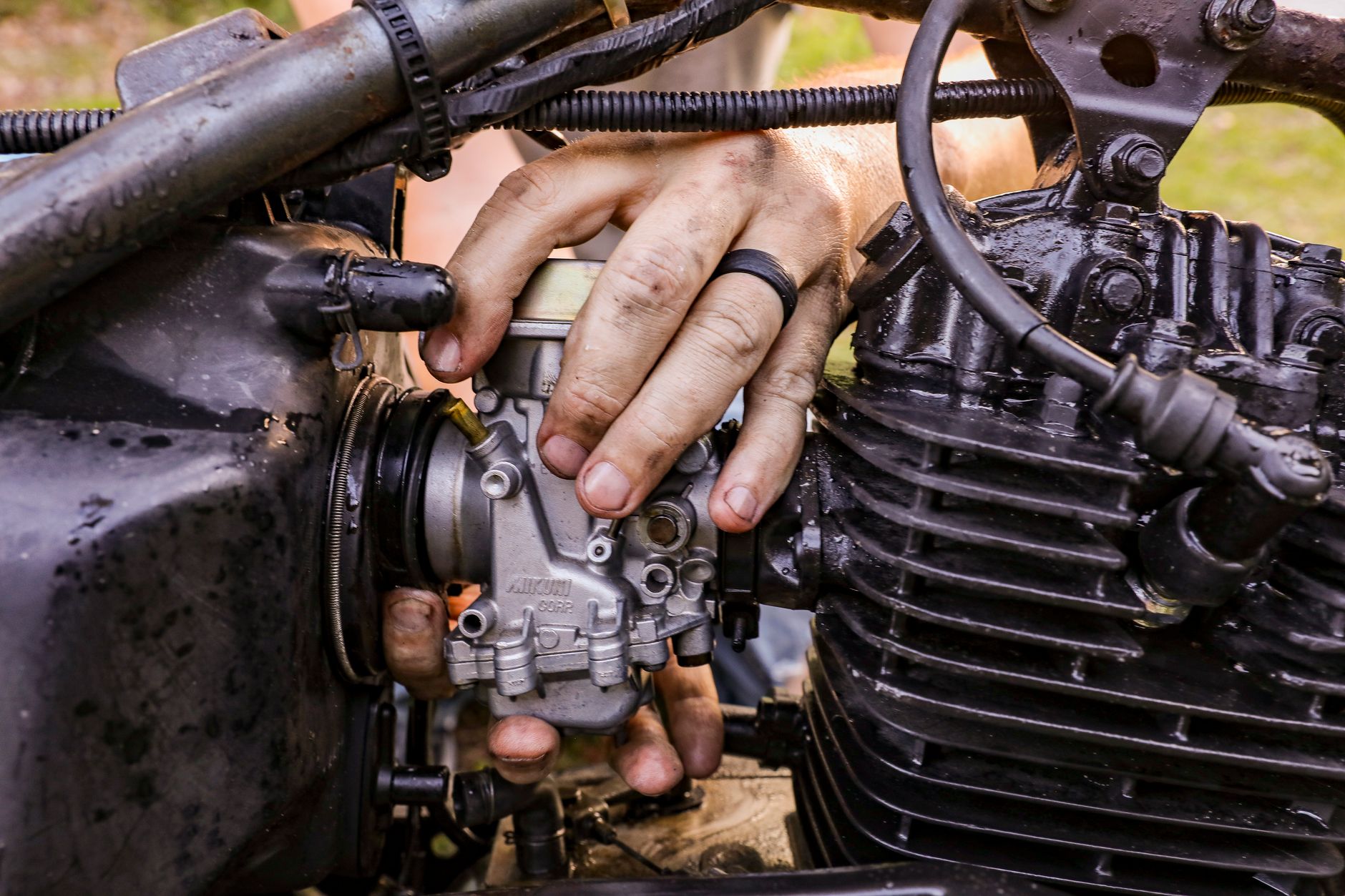
Super AdminNothing tests patience quite like an old bike that turns over fine, has spark, and simply refuses to start. Nine times out of ten the answer is sitting somewhere inside the carburetor, and the trick is checking things in an order that actually narrows it down instead of guessing at parts to replace.
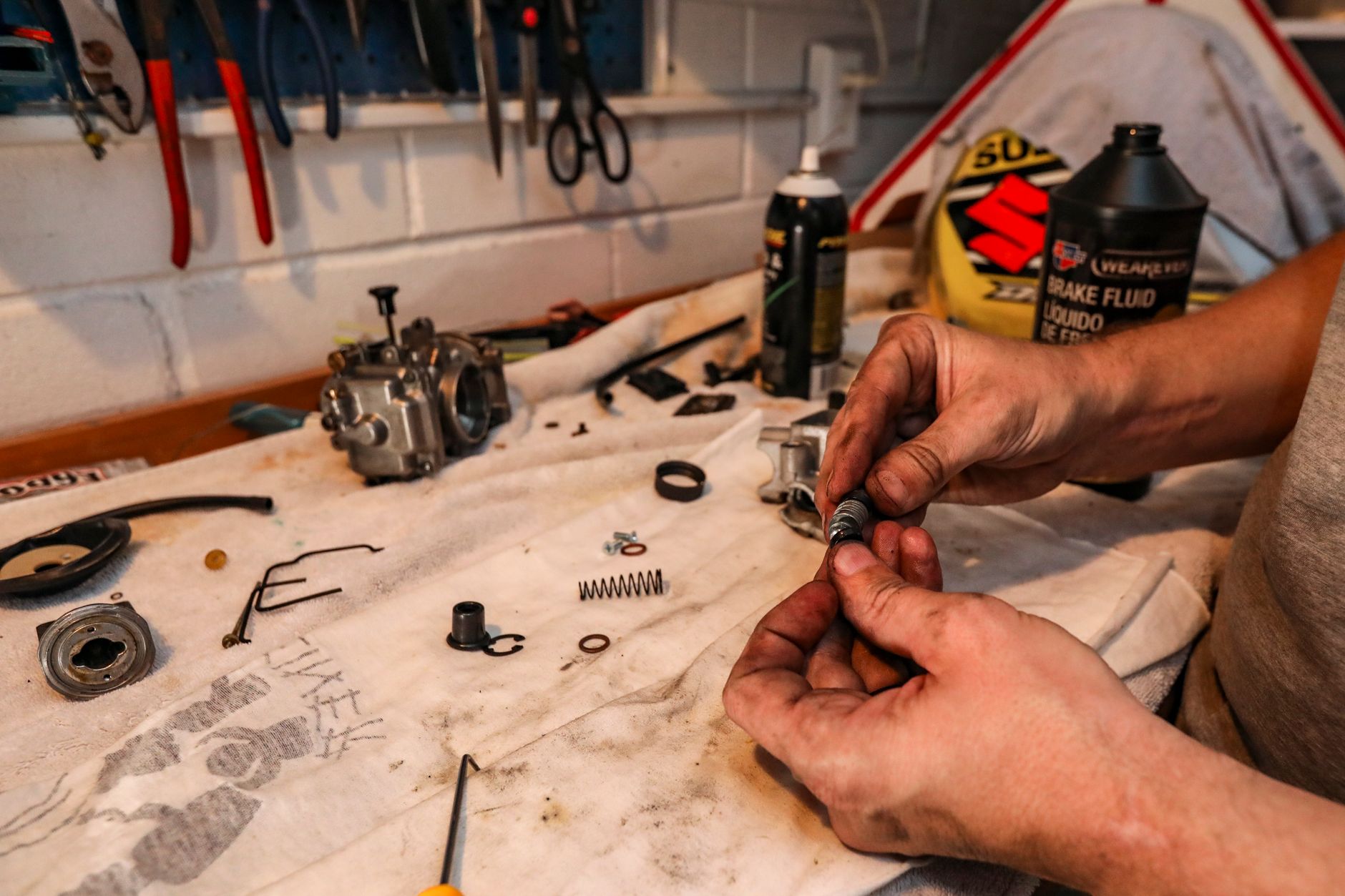
Confirm Fuel Is Actually Reaching the Carb First
Before you touch a single jet, pull the fuel line off at the carburetor with the petcock open and confirm fuel actually flows. It sounds obvious, but a clogged filter or a stuck petcock diaphragm wastes more troubleshooting hours than almost anything else on this list, and it takes thirty seconds to rule out.
The Float and Needle Are the Next Most Common Culprit
Stuck float needle
Old gas corrodes the needle and seat, and a needle stuck open floods the engine with fuel while one stuck closed starves it completely - both produce a no-start, for opposite reasons.
Wrong float height
Even a needle in good condition won't help if the float height is off, since it directly controls how much fuel sits in the bowl waiting to be drawn into the engine.
A cracked or swollen float
Old floats can absorb fuel and sink instead of floating properly, which throws the whole fuel level off in a way that's easy to miss on a quick visual check.
Jets Are Where Most Long-Sitting Bikes Actually Fail
Fuel left in a carburetor for months or years breaks down into a varnish that clogs the tiny passages inside the pilot and main jets. This is, by a wide margin, the single most common reason a bike that ran fine before storage won't start after it. Pull the jets, clean them with proper carb cleaner and a fine wire (never a drill bit - it's easy to enlarge the hole and ruin the jet's calibration), and reinstall.
Don't Skip the Boring Stuff
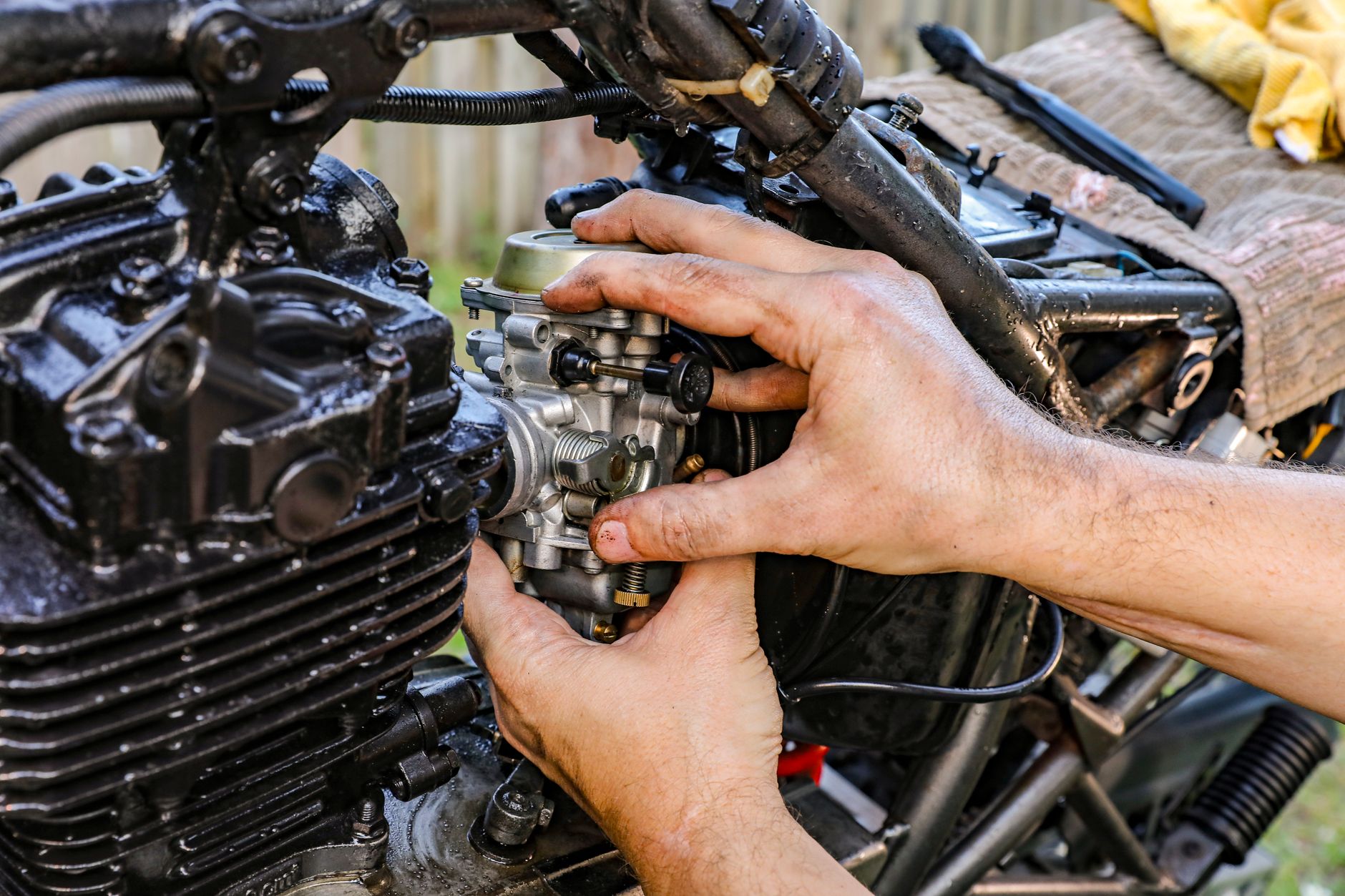
A torn or loose intake boot lets unmetered air into the engine and can mimic a dozen other carb problems. Old fuel lines that look fine outside can be collapsed or cracked inside, restricting flow enough to starve the engine without any obvious external sign.
When to Actually Rebuild Instead of Patch
If you're cleaning jets for the second or third time on the same bike, or the carb has clearly sat with old fuel in it for years, a full rebuild kit (gaskets, needle, float if needed) is worth doing properly rather than chasing the same symptom repeatedly. It's cheap insurance against doing this exact troubleshooting again in six months.



Comment (00)