




 Datum:
31 Aug, 2026
Datum:
31 Aug, 2026 Classic Motorcycles
 Veröffentlicht von
Super Admin
Veröffentlicht von
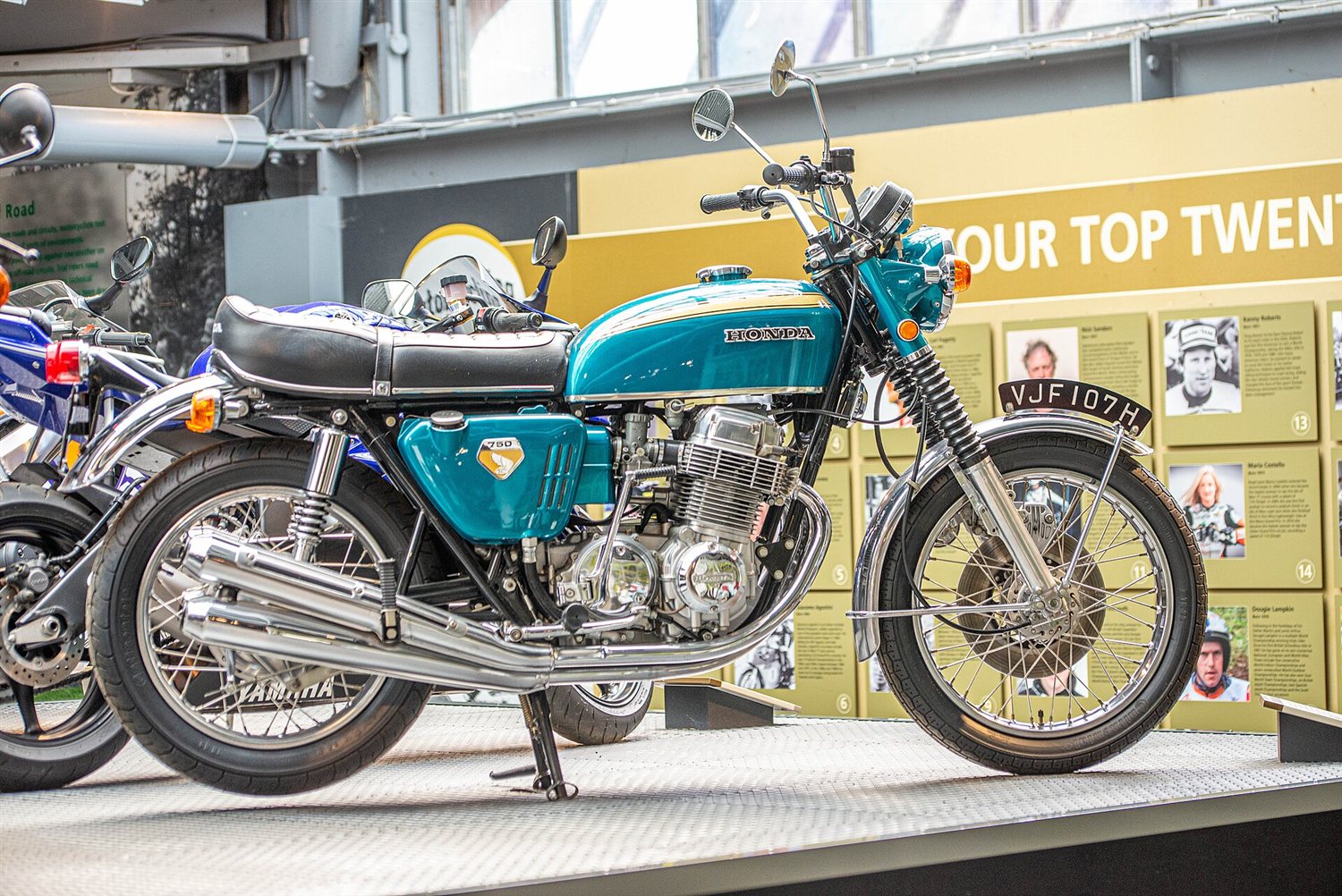
Super Admin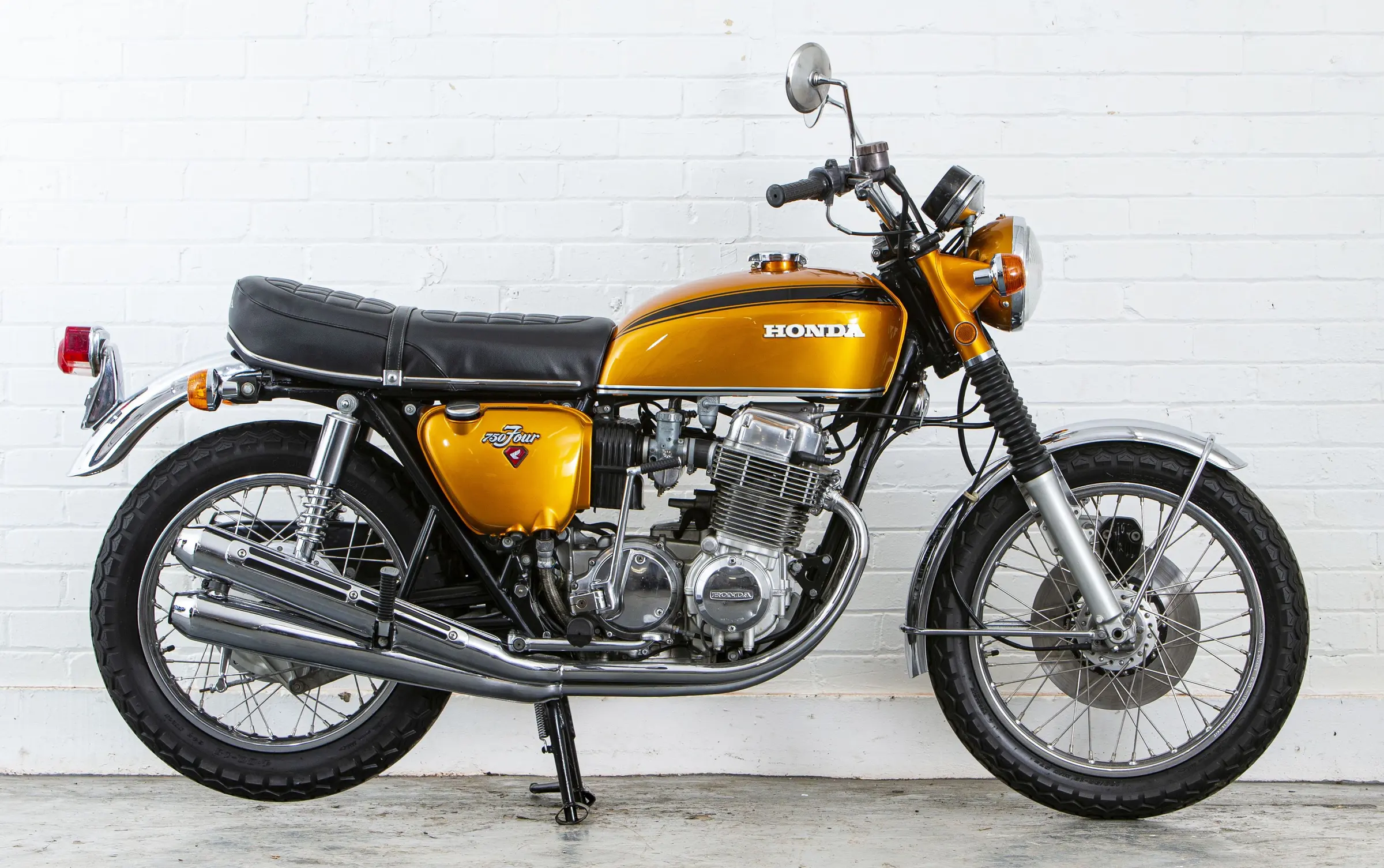 Everybody calls the Honda CB750 the first superbike, and honestly, they're right. When it landed in 1969 with an air-cooled inline four, an electric starter, and a front disc brake, it made every British twin on the showroom floor look like it came from a different decade. I've owned one, sold one, and talked friends out of buying a rough one, and the thing I keep coming back to is this: the CB750 SOHC earned its reputation, but it has a handful of quirks that catch new owners off guard almost every time.
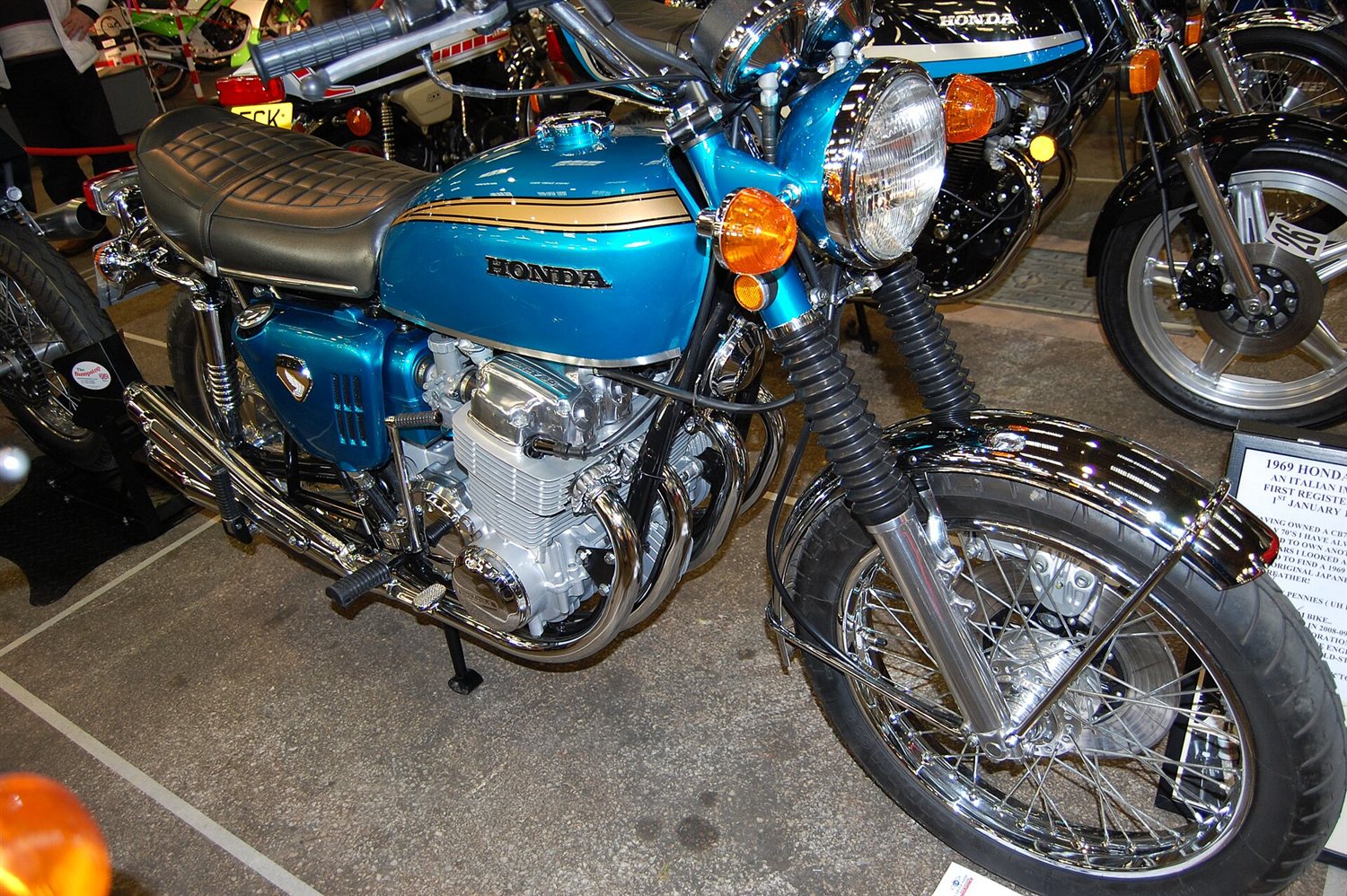
None of these are dealbreakers. Parts support for this bike is some of the best in the classic world, precisely because so many were built and so many people still ride them. But if you're shopping for one, here's what actually goes wrong and what people do about it.
Why this bike still commands real money
The earliest 1969 K0 models, known as sandcast bikes because their crankcases were sand-cast rather than die-cast, are the ones collectors chase hardest. Iconic Auctioneers sold a restored sandcast K0 for £21,375 in 2022 and put another up at an estimate of £25,000 to £30,000 in March 2025, and a sandcast K0 acquired by Steve McQueen's production company in 1969 has sold for $160,000. Mecum topped all of it in early 2026, when a hand-built 1968 CB750 prototype sold at its Las Vegas auction for $313,500 - the biggest price I can find for a Japanese motorcycle at auction. Ordinary K1 and K2 models from 1971-72 are far more attainable: recent sales I found ranged from around $7,000 for a 56,000-mile bike to nearly $20,000 for one with about 5,000 miles, and the trend has been climbing for a decade. For the wider picture, our 2026 classic motorcycle market report covers where classic prices are heading.
Dual points ignition and the timing dance
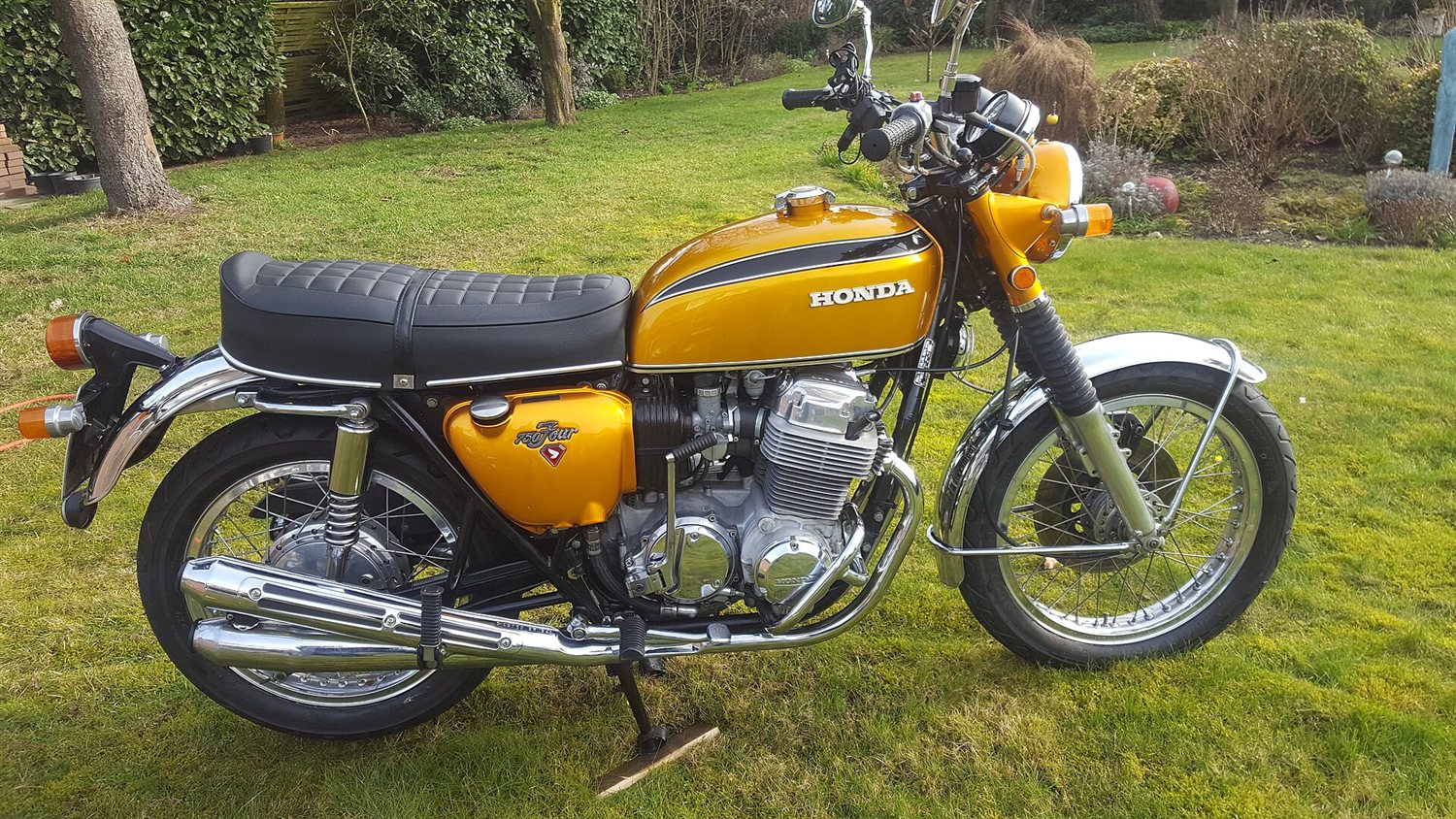
The SOHC engine runs mechanical points ignition with two sets of contact breakers, and it needs attention a lot of modern riders aren't used to giving a bike. Points wear, gaps drift, and timing creeps, which shows up as rough idle, hesitation, or a bike that won't start on a cold morning. It's not a flaw exactly, it's 1969 technology doing what 1969 technology does.
The fix most owners land on
Electronic ignition conversion kits from companies like Dyna and Newtronic have been around for decades and are close to bolt-in. You lose the points, you lose the maintenance cycle, and the bike starts and idles noticeably better. Purists sometimes keep the points for judged shows and run electronic ignition for actual riding.
The cam chain tensioner everyone calls the dogbone
Owners nickname this part the dogbone for its shape, and it's the single most common mechanical complaint on the SOHC4 owners forums and the CB750 Honda forum. The tensioner rides against the cam chain on a rubber-and-nylon wheel that hardens and wears with age, and the shaft it pivots on can gum up until it barely moves under spring pressure. The result is a rattling, slapping noise from the top end, worse right after a cold start.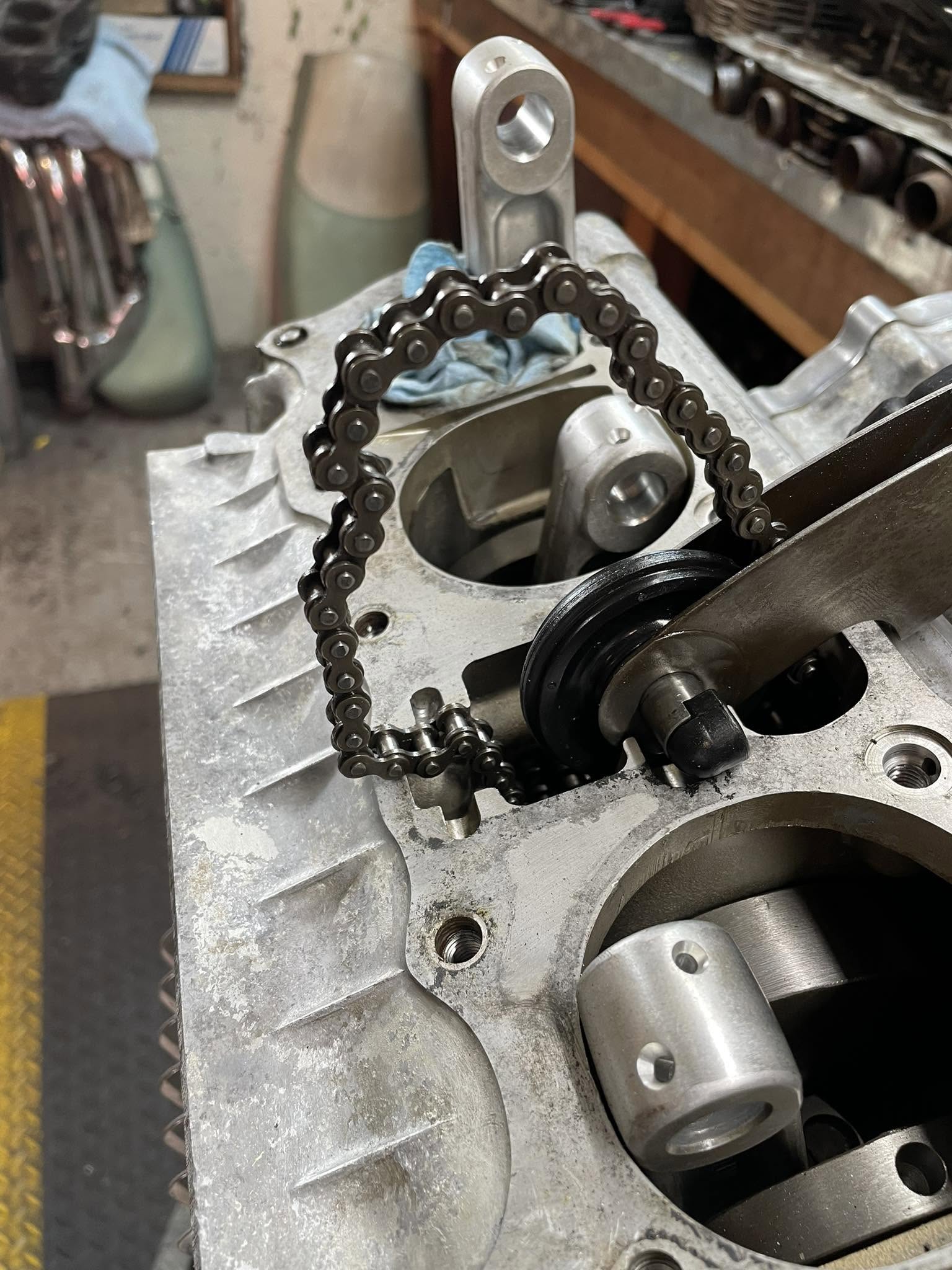
What actually works
Pull the tensioner and check whether the shaft moves freely under spring pressure alone. If it's sluggish, a light pass with 800 grit sandpaper followed by metal polish is a commonly repeated fix. Beyond that, a periodic manual adjustment at TDC on cylinder one, loosening the locknut and letting the spring take up slack before retightening, keeps the chain quiet between rebuilds. A worn dogbone wheel itself just needs replacing, and they're cheap and plentiful.
Starter clutch rattle
This is the noise that panics new owners most, a metallic rattle right at startup that fades once the engine's running. It's the starter clutch, specifically the roller-and-race setup that lets the starter motor spin the crank without being dragged along once the engine fires. On a lot of these bikes the rollers wear, or the race on the starter gear wears just enough that the rollers can't get a clean bite.
Living with it and fixing it
A roller upgrade kit is the first thing most people try, and it solves the problem on plenty of bikes. On others the race is worn enough that rollers alone won't cure it, and the real fix is a replacement starter idle gear, which Honda discontinued years ago, so you're hunting used or aftermarket. A surprising number of owners report the rattle easing off just by switching from synthetic oil back to a conventional motorcycle oil, since these clutches were designed around older oil chemistry.
Front disc brake fade
Honda deserves credit for putting a disc brake on a mass-production motorcycle in 1969, but the single-piston caliper and early hose material were never going to age gracefully. The most common complaint is a front brake that feels soft or fades under hard use, and after fifty-plus years, factory rubber brake lines have almost certainly hardened, cracked internally, or expanded under pressure, eating braking effort before it reaches the pad.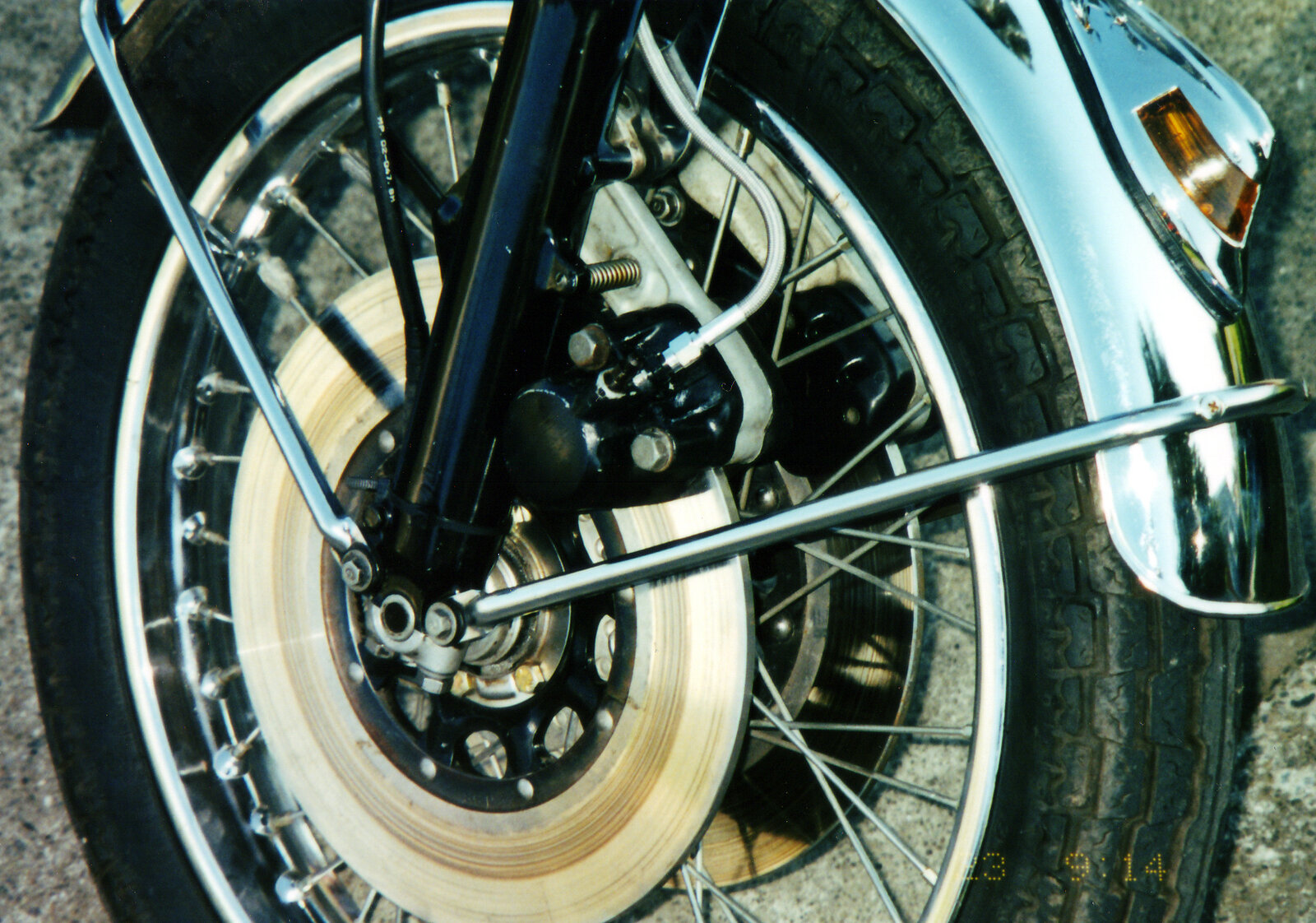
The upgrade path
Swapping in a braided stainless brake line is the biggest improvement for the least money, and most owners notice the difference on the first ride. Beyond that, a full caliper rebuild with new seals and clean pistons fixes the sticking and dragging common on bikes that sat for years. Some owners fit later CB750 or aftermarket calipers with more piston area for modern stopping power, though that moves away from originality if resale value matters to you.
What to check before you buy one
A quick pre-purchase list saves a lot of grief, and our longer collector's checklist goes into more detail:
- Engine start-up noise - listen for starter clutch rattle and top-end chain slap in the first few seconds after a cold start.
- Frame and VIN numbers - sandcast K0s are valuable enough now that matching numbers and honest documentation matter enormously to price.
- Brake feel - squeeze the front lever hard; a spongy lever usually means old hoses or a tired master cylinder.
- Points condition - ask whether the ignition is original points or already converted to electronic, since that affects both maintenance and value to purists.
- Service history - a CB750 with stamped records and evidence of recent cam chain work is worth a premium over one with none.
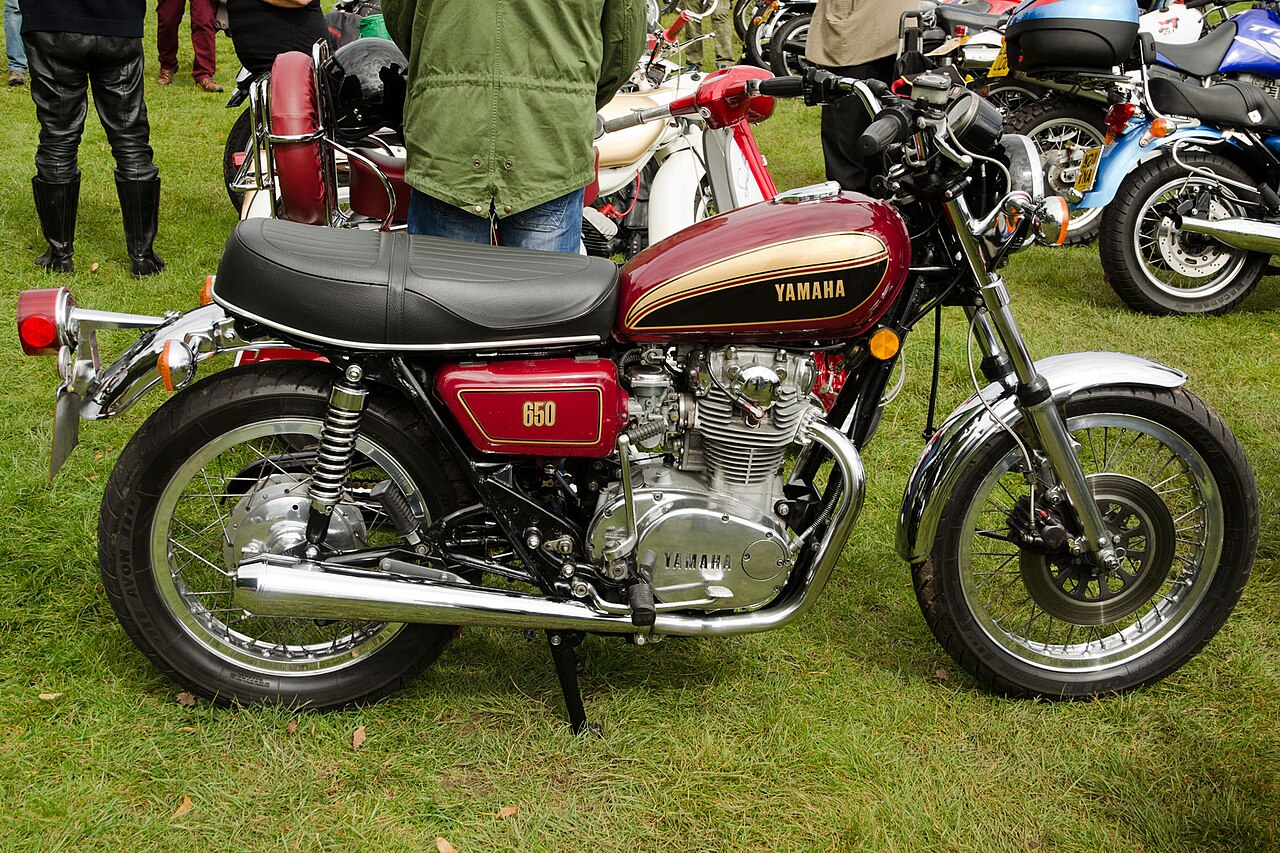
None of this changes the fundamentals. The CB750 SOHC is still one of the easiest classic fours to live with, parts are everywhere, and the community around it is generous with advice. You just want to go in knowing what you're looking at, because neglected bikes tend to fail in exactly these same predictable spots. If you want something to compare it with, the Yamaha XS650 has its own predictable problems, and if you would rather start with a smaller Honda four, we recently listed a freshly serviced 1979 CB400 Four. Current bikes are on the live auctions page.
Photo credit: mgaylard.co.uk (CC BY 2.0), Ronald Saunders from Warrington, UK (CC BY-SA 2.0), Dohcrider (CC BY-SA 4.0)




Comment (00)