




 Datum:
22 Aug, 2026
Datum:
22 Aug, 2026 Classic Motorcycles
 Geplaatst door
Super Admin
Geplaatst door
Super AdminMe wordt vaker een variant van deze vraag gesteld dan bijna wat dan ook: kan ik gewoon pompbenzine in mijn oude motor doen? Het eerlijke antwoord is dat het kan, maar niet zonder te begrijpen wat moderne ethanol-gemengde brandstof doet met een brandstofsysteem dat is ontworpen voordat ethanolmengsels bestonden, want de schade is echt en niet altijd zichtbaar totdat het duur wordt.
Waarom ethanol anders is dan de brandstof waarvoor deze motoren zijn ontworpen
Ethanol is hygroscopisch, wat betekent dat het actief vocht uit de lucht in je brandstof trekt. Dat water blijft niet gelijkmatig gemengd - het bezinkt, en zodra er genoeg gescheiden is, krijg je faseseparatie, waarbij de water-ethanollaag onderin de tank ligt naast blank metaal dat het nooit had mogen raken.
Waar de daadwerkelijke schade zich toont
Rubber en brandstofleidingen
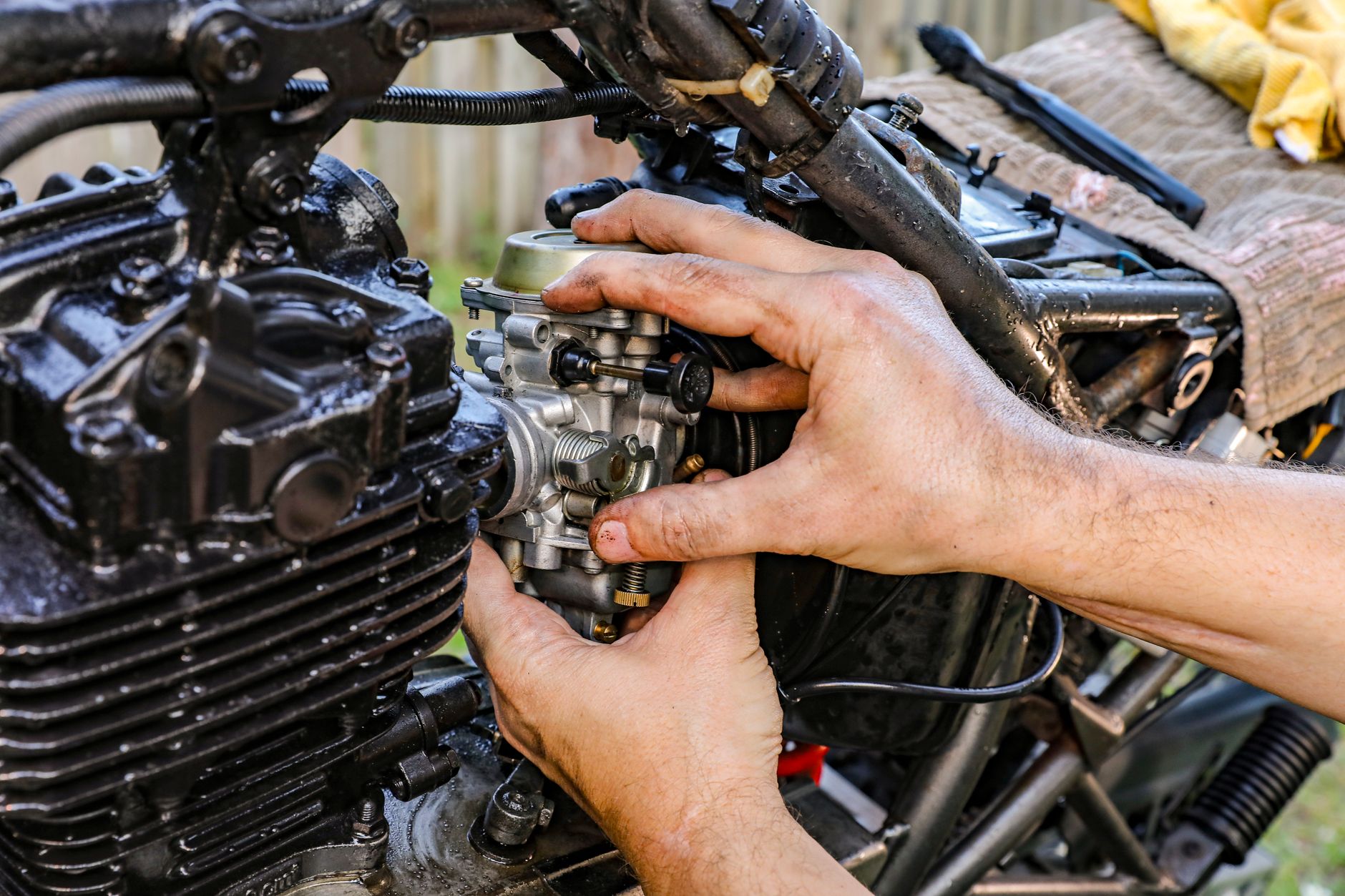
Oudere brandstofleidingen, vlotternaaldpunten, en carburateurmembranen waren samengesteld voor pure benzine. Ethanol droogt ze uit, verhardt ze, en kan zwelling of ronduit afbraak tot een grijze drab in de carburateur veroorzaken.
Corrosie van de brandstoftank
Het water dat ethanol aantrekt, ligt tegen messing, aluminium, en zinken carburateuronderdelen en stalen tankoppervlakken, wat corrosie versnelt in een brandstofsysteem dat anders decennialang schoon zou blijven.
Vernis en verstopte sproeiers
Ethanol-gemengde brandstof die blijft staan, breekt sneller af dan pure benzine, waardoor een vernisresidu achterblijft dat de piepkleine doorgangen in carburateursproeiers verstopt - een van de meest voorkomende redenen waarom een oude motor niet start nadat hij zelfs maar een paar maanden heeft stilgestaan.
Hogere bedrijfstemperaturen
Ethanol verbrandt heter dan pure benzine, wat op de lange termijn stilletjes de slijtage van pakkingen, slangen, en al het andere dat blootstaat aan verbrandingshitte versnelt.
Wat echt helpt
Ethanolvrije benzine, waar je die kunt krijgen, is het beste wat je voor een oud brandstofsysteem kunt doen, en genoeg onafhankelijke pompstations hebben het nog steeds specifiek op voorraad voor boten, kleine motoren, en klassiekers. Waar dat geen optie is, dicht een kwaliteitsbrandstofstabilisator voor alles wat langer dan een paar weken gaat stilstaan, en het vervangen van rubberen brandstofleidingen en carburateur-revisiekits door ethanol-geschikte moderne onderdelen, het meeste gat.
De ene gewoonte die belangrijker is dan elk product
Laat de tank niet maandenlang halfleeg staan - de luchtruimte boven de brandstof is precies waar condensatie ontstaat en ethanol het snelst vocht aantrekt. Een vollere tank met toegevoegde stabilisator wint het elke keer van een halflege, en het kost niets extra om die gewoonte aan te leren.
Fotocredit: Ronald Saunders from Warrington, UK (CC BY-SA 2.0), Pedro Ribeiro Simões from Lisboa, Portugal (CC BY 2.0)


_(50111796202).jpg)
Comment (00)