





 Date:
24 oct., 2026
 Classic Cars
 Publié par
Super Admin
Walk through a classic car show today and you will find as many boxy hatchbacks and rally homologation specials as you will pre-war tourers. These are the youngtimers, the cars of the 1980s and 1990s that their original owners remember buying new. They are easy to drive, familiar to anyone who grew up with them and, in the best cases, climbing in value fast enough to worry the people who were slow to buy.
What a Youngtimer Is
FIVA, the international federation of historic vehicle clubs, defines a youngtimer as a vehicle between twenty and twenty-nine years old, in good condition and preserved, usually used during leisure time. At thirty years old such a car may qualify for the full FIVA Identity Card. In practice the word is used more loosely for any enthusiast car of roughly the 1980s and 1990s, and that is how I use it here.
Why They Are Rising
There are three simple reasons. The people who dreamed of these cars as teenagers now have the money to buy them. The cars are easier to live with than something from the 1950s, with better brakes, better heating and usually better reliability. And the best examples are running out: many were driven hard, modified or left to rust.
Four Cars Worth Knowing
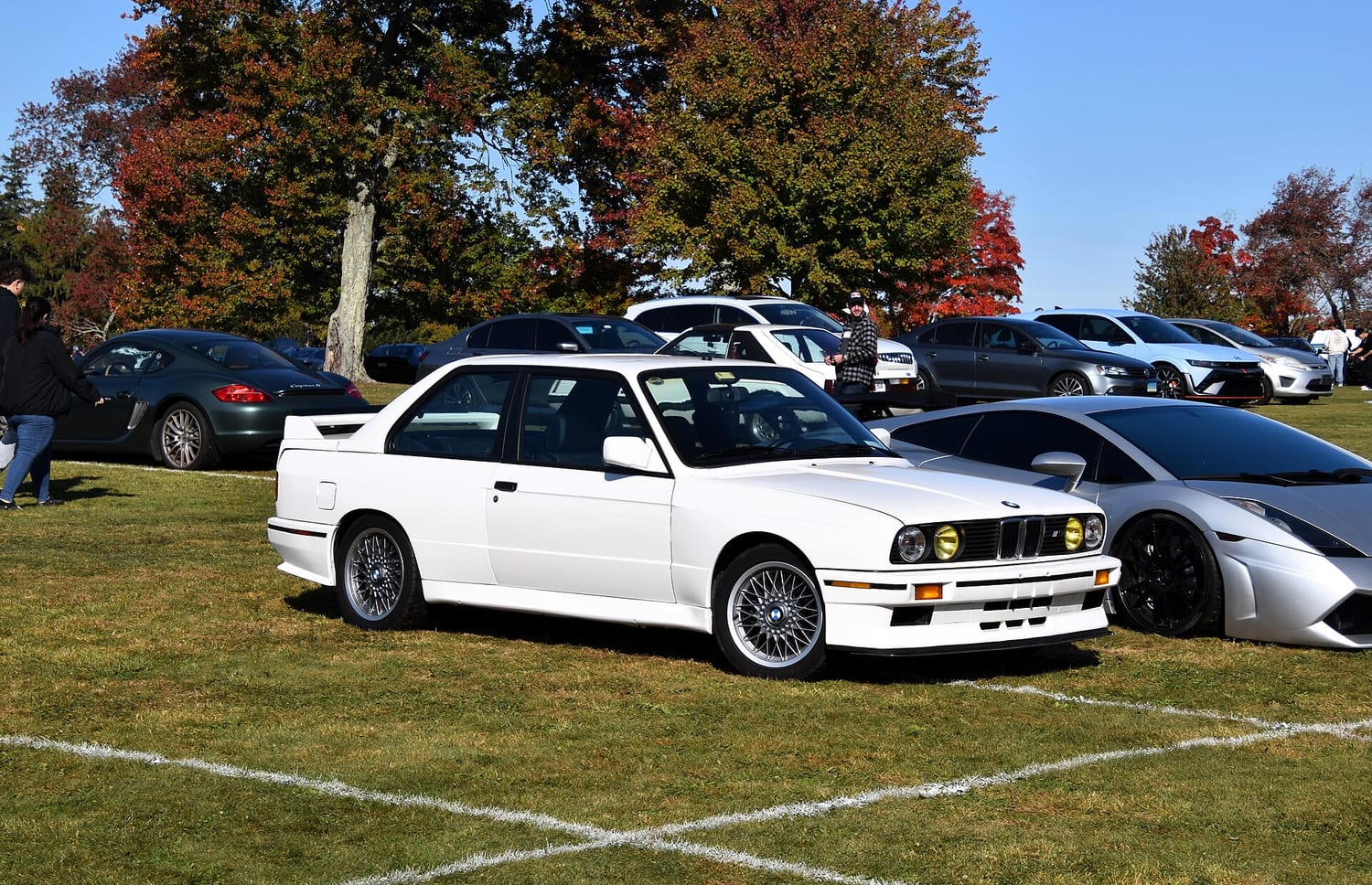
BMW E30 M3
The homologation special that put BMW at the top of touring car racing. The most extreme version, the Sport Evolution, was limited to 600 cars, which is why those sell for far more than a standard M3. Even the regular cars have climbed sharply.
Lancia Delta Integrale
The Delta won six consecutive World Rally Championship manufacturers' titles from 1987, a record that still stands. The road cars carry the same four-wheel-drive engineering in a compact, square-shouldered body. Rust and electrical age are the usual worries.
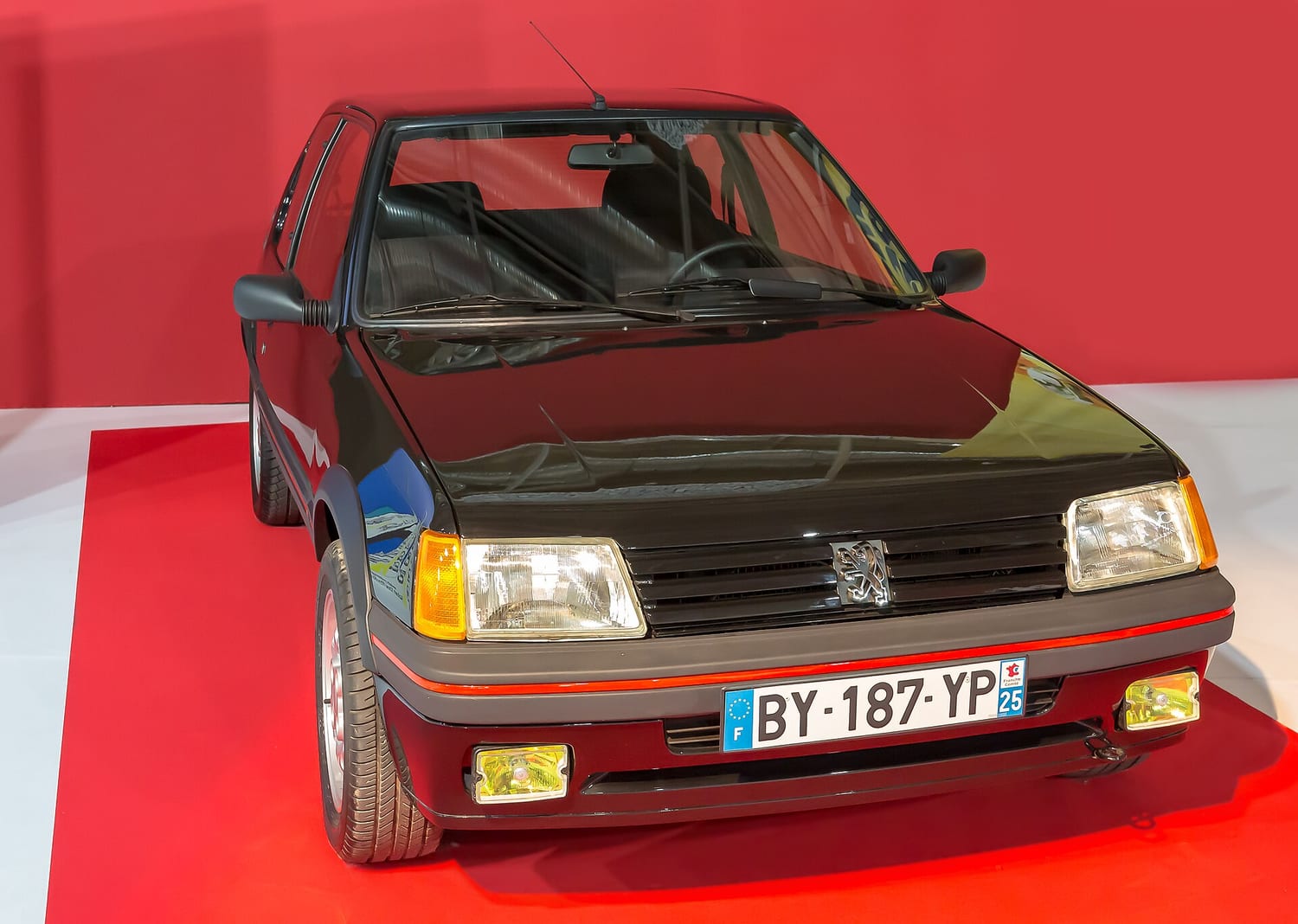
Peugeot 205 GTI
The small, light French hot hatch that many consider the benchmark of its kind. The first 1.6-litre cars are especially sought after, and a recent French market overview says a good one now often costs over twenty thousand euros, where a decent one cost around two thousand fifteen years ago. Treat that as indicative, not a price list.
Volkswagen Golf GTI Mk1
The car that defined the hot hatch category. Clean, unmodified examples are scarce, because so many were tuned and neglected, and a good one can now change hands for a serious sum.
The Traps
Youngtimers have their own pitfalls. Rust is still the biggest, and the cheaper cars often hide it under fresh paint. Modifications are common and not always documented: lowered suspension, aftermarket wheels and engine tuning can all reduce value to a collector. Electronic parts, from the dashboard to the engine management, can be hard and costly to replace. Plastic interior trim becomes brittle. And because prices have risen so quickly, the very top of some segments is already expensive, with some commentators suggesting parts of the market have levelled off.
How to Buy Well
Buy the best car you can afford, because the cost of repairing a tired one usually exceeds the savings. Prefer originality, a complete history file and an honest seller. Compare several examples before you decide, and keep the price you pay realistic against what similar cars have actually sold for. Our post on the right price and our classic car buying checklist will help, and the same logic applies to motorcycles, as we describe in the next generation of collectibles. When one appears, you will find it among our classic cars.
Photo credit: Alexander-93 (CC BY-SA 4.0), Matti Blume (CC BY-SA 4.0), Charles from Port Chester, New York (CC BY 2.0)





Comment (00)