




 Date:
16 nov., 2026
 Classic Motorcycles
 Publié par
Super Admin
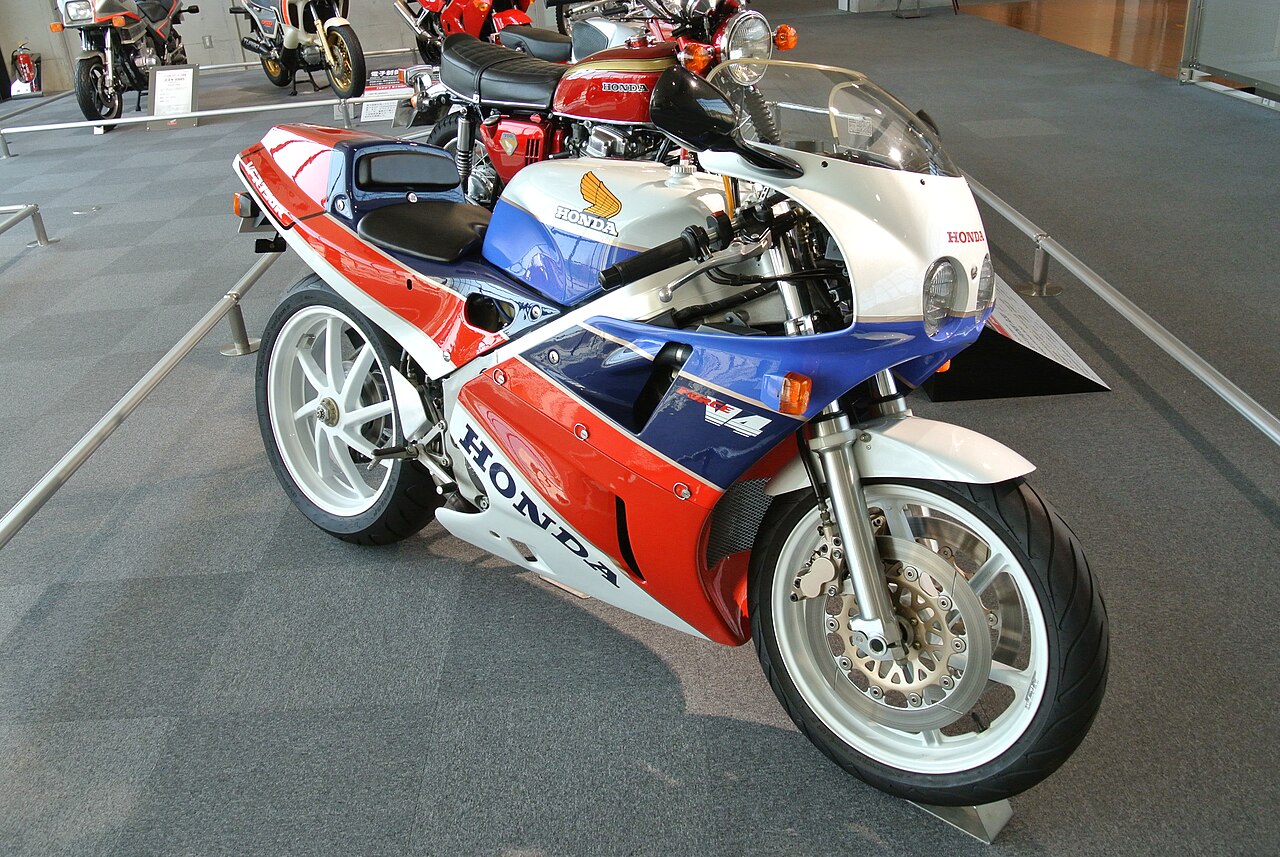
Honda's V4 story is one of the odder redemption arcs in motorcycling. The company nearly torched its own reputation with the engine in 1982, then spent the rest of the decade turning it into the most respected sportbike architecture outside Italy. If you've ever wondered why a VFR750 and an RC30 share a family tree but trade for wildly different money, this is that story, plus what actually breaks on these things and what you should expect to pay today.
Where it went wrong first
The V4 didn't arrive polished. The original 1982 VF750 Interceptor used chain-driven camshafts, and within months of bikes reaching dealers, owners were bringing them back with rattly cam chains and camshafts wearing out far faster than they should have. It became enough of a black mark that "VF" was almost a dirty word among mechanics for a few years, even though the engine's layout, a liquid-cooled 90-degree V4 with four valves per cylinder, was genuinely ahead of its time. Honda's fix, when it came, wasn't a patch. It was a redesign.
The VFR750 fixes the formula
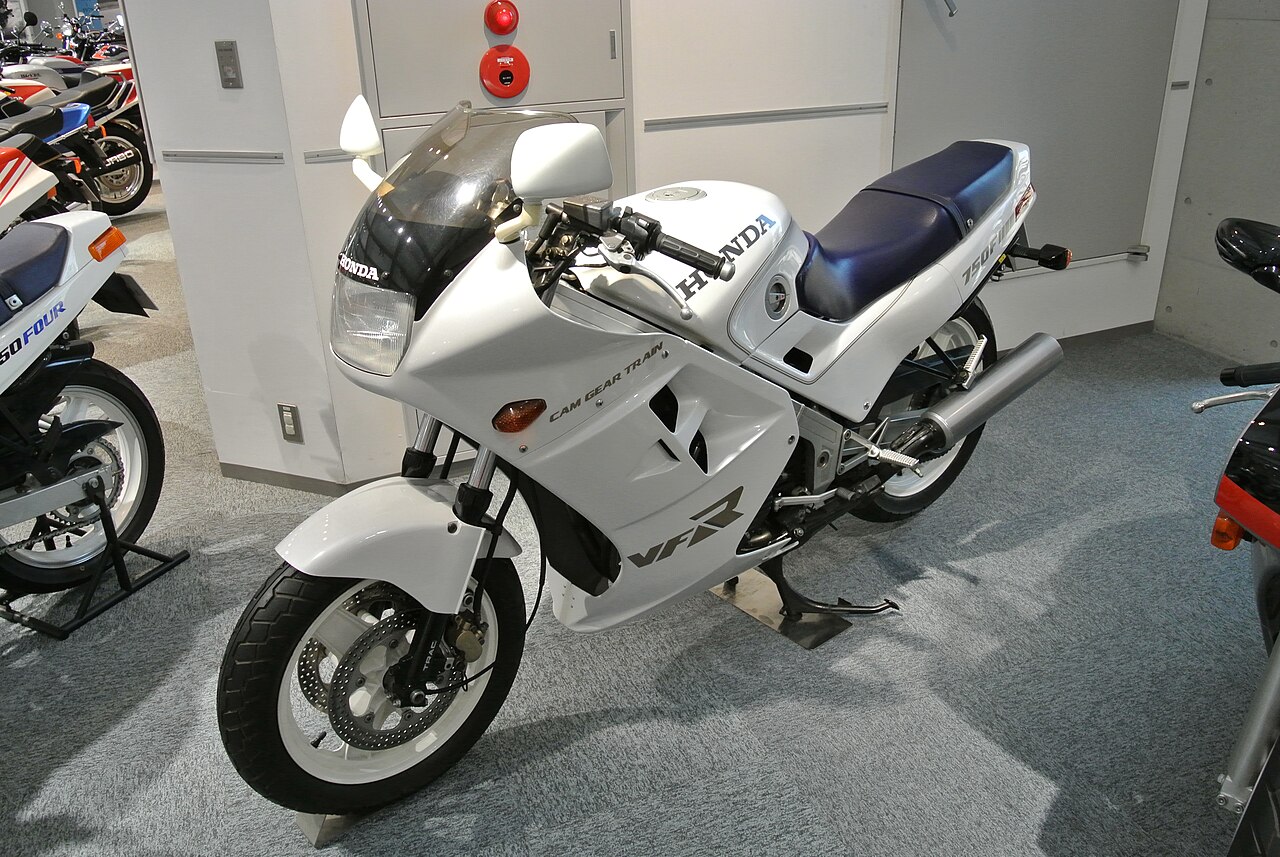
Honda VFR750F (RC24, then RC36)
The VFR750, launched in 1986, swapped the troublesome chains for gear-driven camshafts. That one change removed the tensioner problem entirely and gave the engine its distinctive mechanical whine, which VFR owners still talk about like it's a feature rather than noise. It worked. The VFR750 became one of the most trusted sport-tourers Honda ever built, and plenty are still doing daily duty forty years on. The main thing that does fail on a 1990s RC36 is the voltage regulator/rectifier, which runs hot and degrades, especially past the 18,000-mile mark on the 1990-1993 bikes. Weak lights, a battery that won't hold charge, and intermittent electrical gremlins are the classic symptoms, and most long-term owners now fit an aftermarket MOSFET unit as cheap insurance. Aging coolant hoses and a bit of exhaust rot are the other things to budget for. None of it is expensive to sort, which is a big part of why good VFR750s remain genuinely affordable. There's a tidy example currently listed here on our live auctions if you want to see what a well-kept one looks like in the metal.
The homologation specials get serious
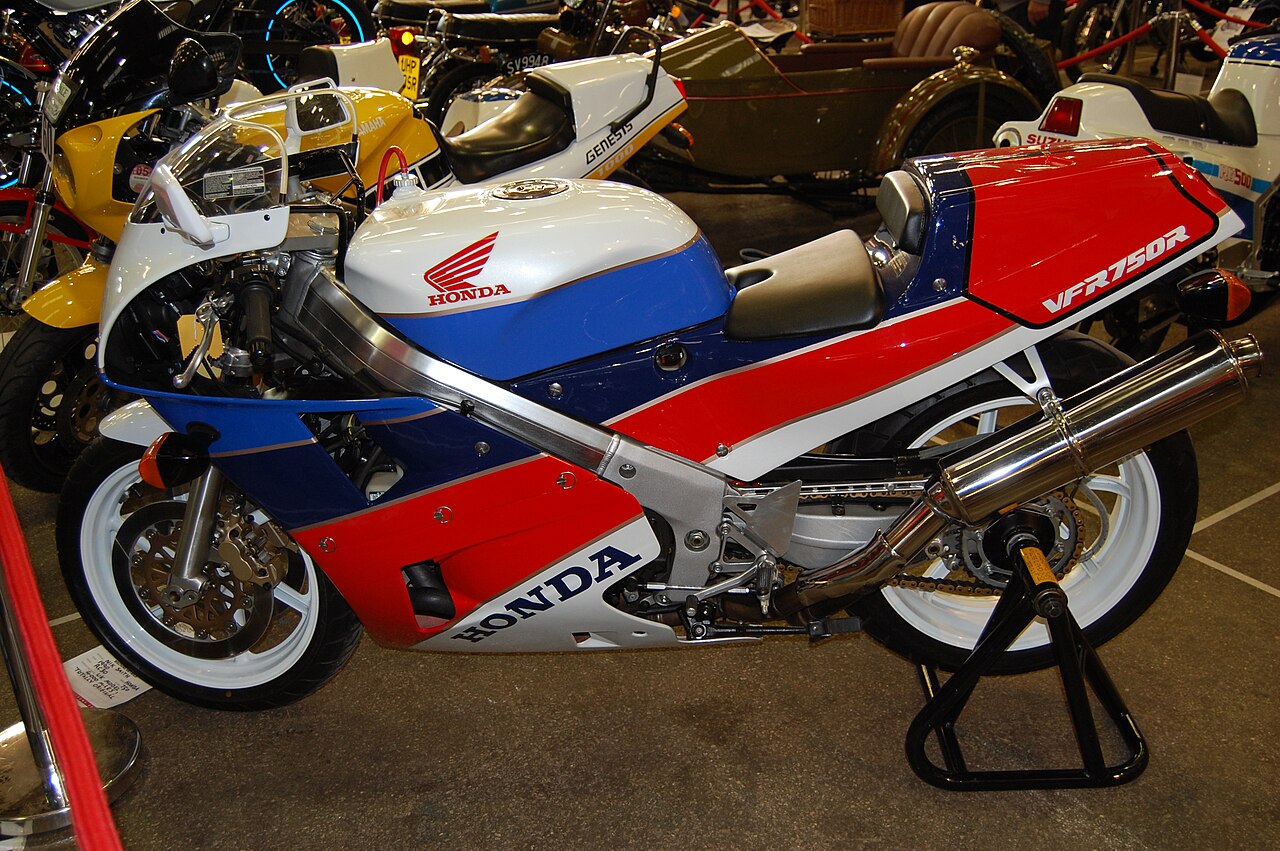
Honda RC30 (VFR750R)
Honda needed a World Superbike and Isle of Man-eligible homologation special, and the RC30 is the result: titanium con rods, a single-sided swingarm years before it was fashionable, and a tiny production run built specifically to go racing. Fred Merkel won back-to-back World Superbike titles on the factory version, and road-going RC30s inherited enough of that DNA that they're now treated as proper collector pieces. Recent auction results bear that out. Iconic Motorbike Auctions sold a 1988 example with just 62 miles for roughly $62,000 including fees in late 2025, while more usable, higher-mileage 1990 bikes have been trading in the $31,000 to $42,000 range over the past year or so. A UK sale at Shuttleworth in mid-2025 went for notably less, around £16,500, which tells you how much condition, originality, and even which side of the Atlantic you're selling on can move the number.
The RC45 raises the stakes again
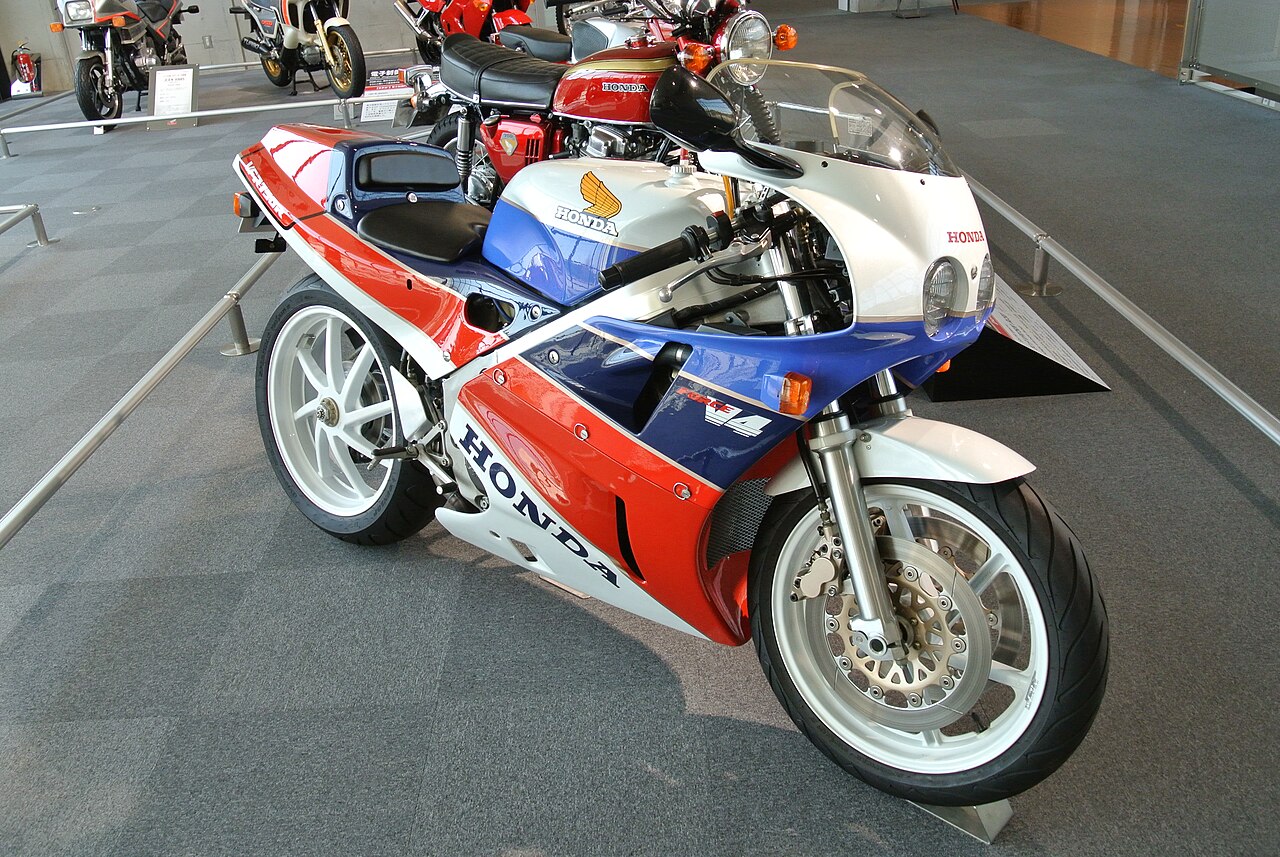
Honda RC45 (RVF750R)
By 1994 the rules had changed and Honda needed a new homologation weapon, so the RC45 arrived with fuel injection, a more aggressive chassis, and a price tag that made even wealthy enthusiasts wince. It never quite matched the RC30's racetrack folklore, partly because World Superbike rivals had caught up, but it's arguably the rarer and more technically interesting bike of the two. Values reflect that rarity more than racing glory: a 1994 RC45 with just 1 kilometre on the clock made roughly $91,000 at Iconic in 2022, and a genuinely unused example from the Boeddeker Collection fetched close to $120,000 in 2025. Lower-mileage, used examples are far more attainable, with several 1995 bikes changing hands in the low $30,000s. If you're chasing one, buy the history and the paperwork as much as the bike itself, since these were expensive enough new that most survivors have a documented ownership chain.
The baby brother worth a second look
Honda RVF400 (NC35)
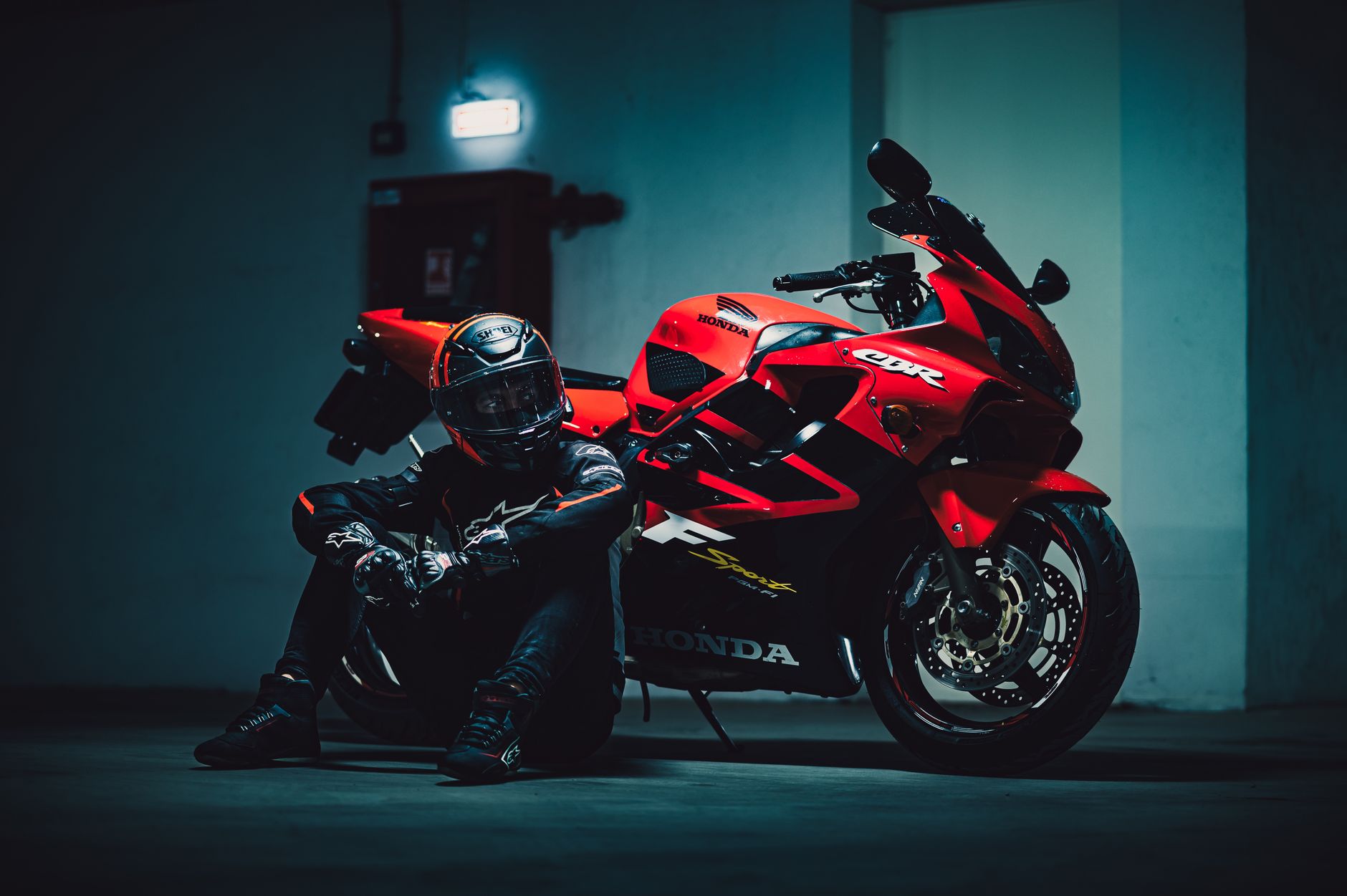
Japan's domestic market got its own V4 homologation special in the RVF400, essentially an RC45 shrunk to 400cc for the Japanese 400 class and never sold new outside Japan. They're grey imports everywhere else, which keeps prices sensible: recent sales have landed anywhere from around $9,000 for a tidier but higher-mileage bike up to the low $20,000s for a genuinely original, unmolested example. Originality really matters here. A full set of correctly numbered Honda fairing panels and covers, rather than aftermarket replacements from a crash repair, makes a measurable difference to value, and collectors have started paying close attention to which of the two factory colour schemes a given bike wears. We've had more than one of these through the shop, including this RVF400 NC35 and a lower-mileage example here, so it's worth comparing a couple of listings side by side before you commit to one.
What to actually check when buying one
- Charging system first. On any gear-driven V4 from this family, a weak idle, flickering dash lights, or a battery that won't hold charge overnight almost always traces back to the regulator/rectifier. It's a cheap part to replace and a very common one to find already swapped for an aftermarket unit.
- Service history over mileage. These engines rack up miles happily if they've been looked after. A low-mileage bike with no paperwork is a bigger risk than a well-documented one with 40,000 km showing.
- Originality on the homologation models. RC30, RC45 and RVF400 values move a lot based on whether the fairings, engine covers and paint are genuinely original Honda parts rather than aftermarket replacements fitted after a tip-over.
- Import paperwork on the RVF400. Since it was never officially sold outside Japan, confirm the compliance and registration documents are in order before you fall in love with a particular bike.
Why the family still matters
What's interesting is how differently each of these bikes aged. The VFR750 proved the V4 concept could be dead reliable and still fast, the RC30 and RC45 proved it could win on Sunday, and the RVF400 showed Honda was willing to build a cult object for a market most of the world never saw. If you're new to this corner of Honda's back catalogue, our knowledge center buying checklist is a good place to start before you go bidding on any of them, and it's worth browsing our full classic motorcycles listings to see what V4s and other Japanese sportbikes are coming up next. The common thread across all four bikes is that Honda learned from its own mistake and then kept pushing the same idea further than almost anyone expected.
Photo credit: Ronald Saunders from Warrington, UK (CC BY-SA 2.0), Rainmaker47 (CC BY-SA 3.0), Rainmaker47 (CC BY-SA 3.0), Rainmaker47 (CC BY-SA 3.0)




Comment (00)