




 Fecha:
24 Aug, 2026
Fecha:
24 Aug, 2026 Classic Motorcycles
 Publicado por
Super Admin
Publicado por
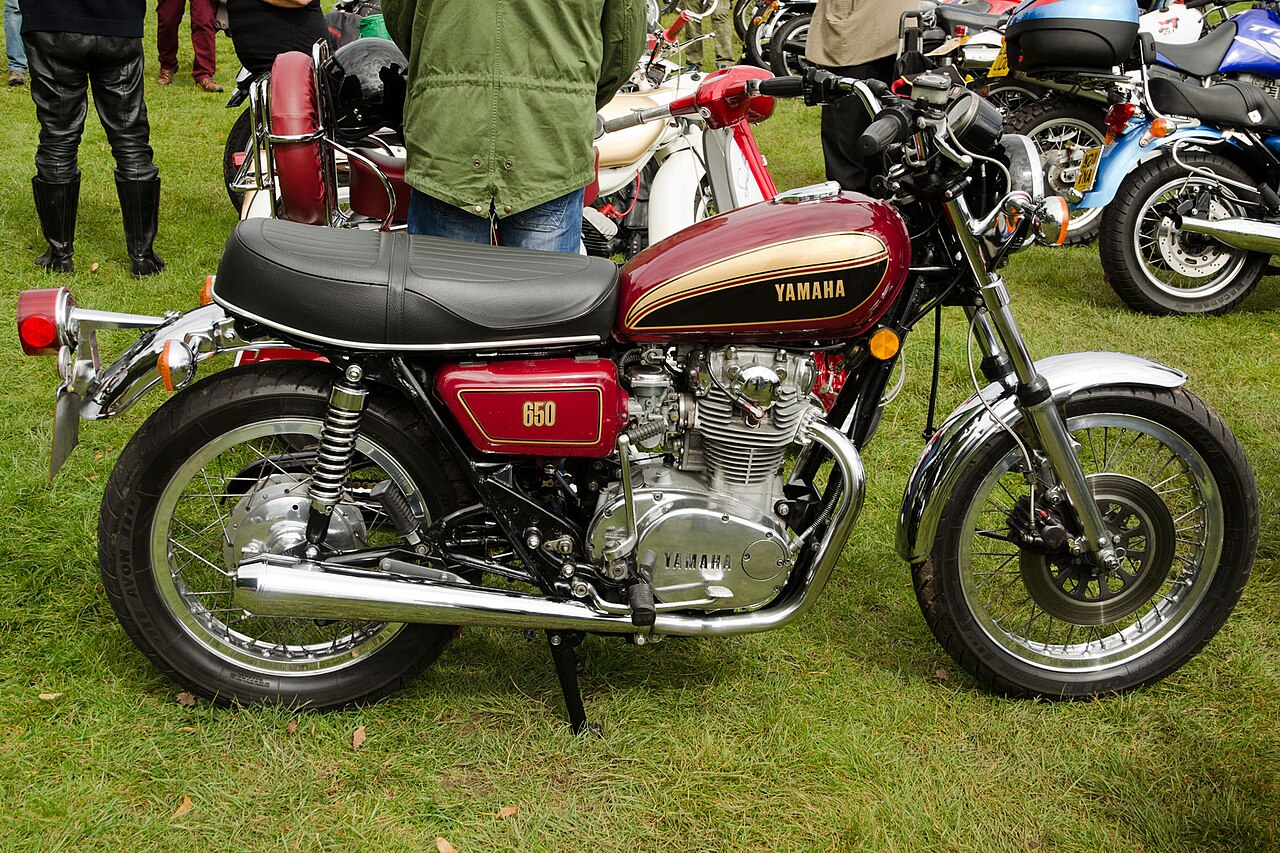
Super AdminAsk ten people what the best cheap classic to actually ride is, not just look at, and a good number of them will say a Yamaha XS650. I get why. It's a bike that was designed to beat the British twins at their own game back in 1970, and more than fifty years later it's still doing exactly what it was built for: starting reliably-ish, running forever if you leave it alone, and forgiving you when you don't. But "forgiving" isn't the same as "problem-free," and if you're shopping for one, or you already own one and are chasing a mystery leak, there's a specific, well-documented set of issues you're going to run into. They're not deal-breakers. They're just the price of admission.
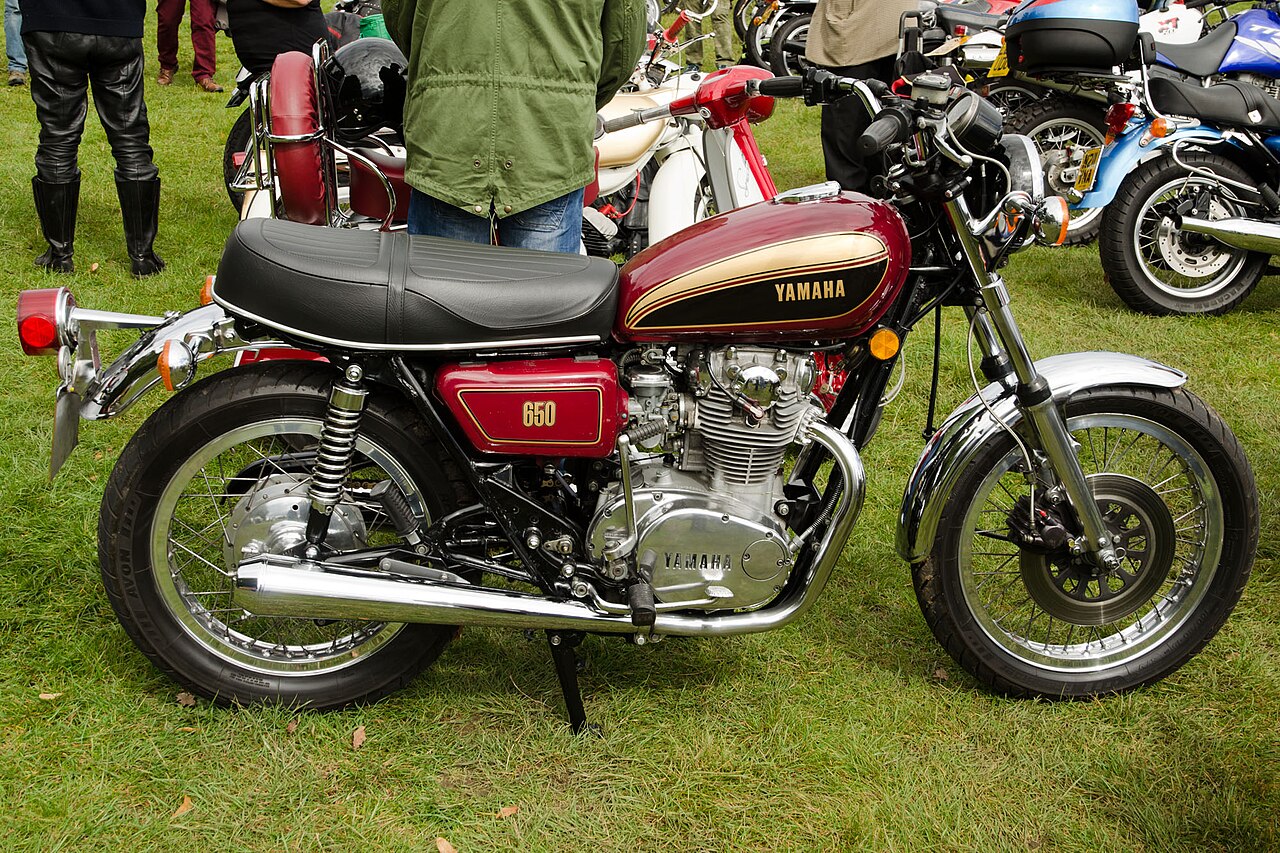
A four-stroke twin from a two-stroke company
Before the XS650, Yamaha had never sold a four-stroke motorcycle. The company built its reputation on two-strokes, and the XS-1, shown at the Tokyo show in late 1969 and in showrooms by March 1970, was a genuine gamble. The brief was simple on paper: build a lightweight, compact big-bore sports bike that could go toe to toe with Triumph and BSA parallel twins, but without the oil leaks and questionable electrics those bikes were known for. It worked. The 653cc SOHC twin made a claimed 53 horsepower at 7,000rpm, good for around 105mph, in a bike that weighed roughly 428lb wet. By the time production wound down in 1983, close to 300,000 had been built.
XS1 and XS1B (1970-71)
The originals, and the ones purists chase. Drum front brake, kick start only, and a bit of a cult following because they're the closest thing to what Yamaha's engineers actually intended before a decade of running changes. Clean early examples are getting harder to find and command a real premium over later models.
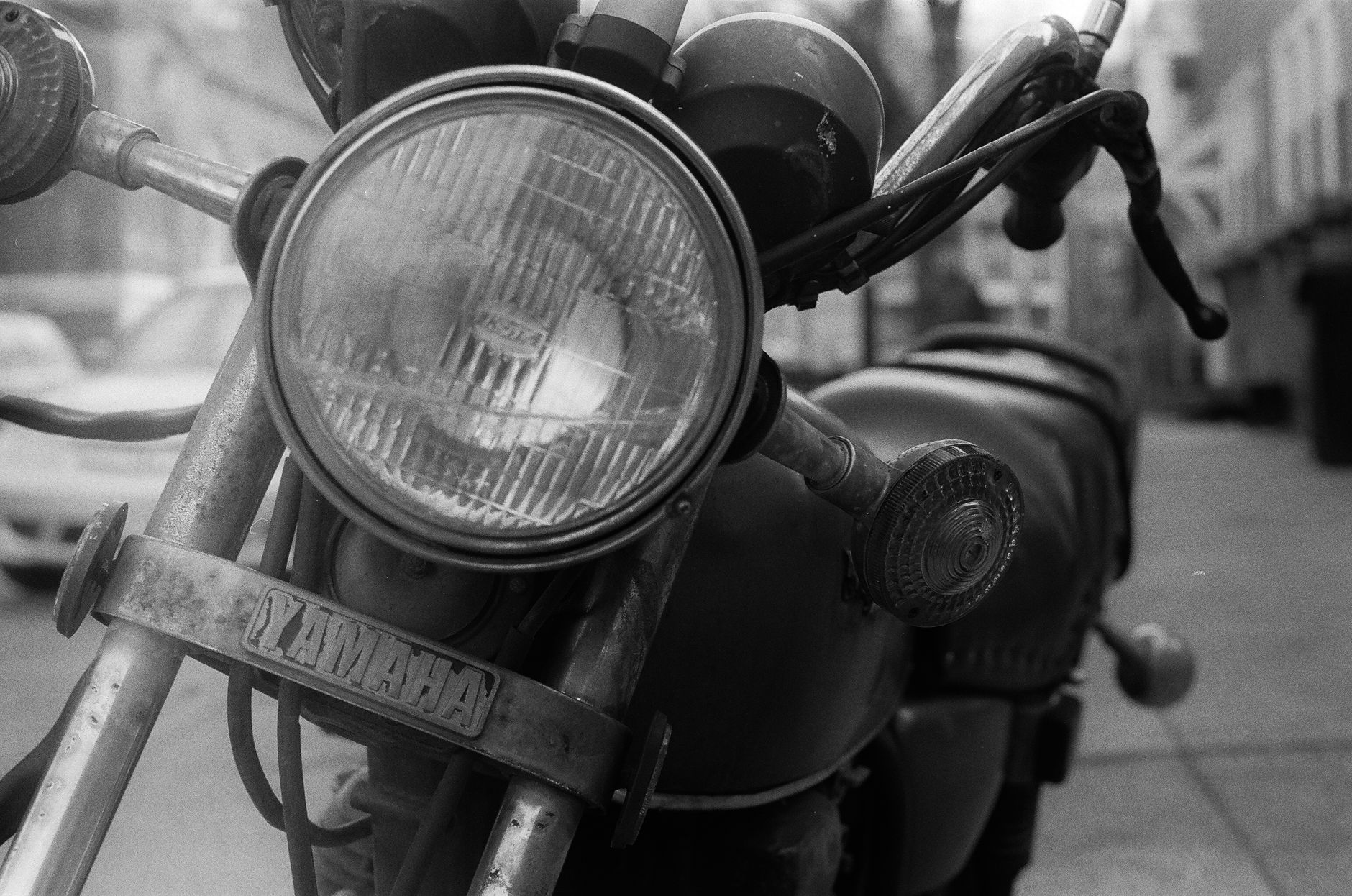
XS650 Special and Heritage Special (1978-83)
The cruiser-styled versions, with a stepped seat, pullback bars, and a 16-inch rear wheel on some years. These are the ones you see turned into bobbers most often because the styling was already halfway there. The Heritage Special of 1982-83 was the last gasp of the model in the US market and tends to be the cheapest way into XS650 ownership today, since it wasn't ever considered the "cool" version.
The leak you will chase eventually
Every long-term XS650 owner I've read about, whether on the xs650.com forum or in Reddit threads about the bike, ends up dealing with the cam chain tensioner. It sits on the front of the cylinder block and leaks from three spots: the gasket where the housing bolts to the cylinders, an o-ring under the cap, and a sealing washer under the lock nut. The o-rings don't have much surface area to seal against, so they wear out faster than you'd expect and start weeping oil down the front of the engine. It's a cheap fix once you know where to look, but plenty of bikes get sold with a mystery drip because a previous owner never traced it back this far.
Why it won't start after sitting
Park an XS650 for a few weeks and there's a decent chance it'll be reluctant to fire, even with fresh gas and a battery. The usual culprit is wet-sumping: oil drains out of the tank and pools in the crankcase while the bike sits, which floods the sump and makes the first start rough and smoky until it clears. It's a known quirk of the dry-sump layout rather than a sign of something broken. Combine that with a kick-start-only bike on early models, and a decompression lever you actually need to use properly, and there's a real technique to starting these bikes that catches new owners off guard.
Points versus Pamco
Stock ignition on most XS650s is contact points, and points wear, pit, and drift out of gap, which shows up as hard starting, flat spots, and inconsistent idle. It's manageable if you're willing to file and gap points every few thousand miles, but the community's near-universal answer has been to swap to an electronic ignition. Pamco's Hall-effect system was the go-to for years, replacing the points assembly directly and pairing with a dual-output coil, for around $200 all in. The original maker has since stopped production, but Boyer and other Hall-effect kits fill the same role now. If you're looking at a bike that still has points, budget for this conversion even if the seller insists they "just adjusted them."
Vibration is part of the deal
The XS650's parallel twin fires both cylinders every 360 degrees of crank rotation, which is smoother than a 270-degree twin in some ways but still sends real vibration through the pegs, bars, and mirrors at speed, especially above 65mph. There's no counterbalancer, no rubber-mounted subframe trickery like the British bikes eventually got. Some owners rebuild the engine on stiffer mounts, some just accept blurry mirrors on the highway. It's worth riding one before you buy if smoothness matters to you, because photos and spec sheets won't tell you how much it buzzes.
What to actually check before buying
- Cam chain tensioner area - look and feel for oil weeping down the front of the cylinders, not just under the engine.
- Ignition type - stock points versus an aftermarket electronic conversion changes your maintenance schedule and your starting reliability.
- Frame and swingarm rust - these bikes are old enough now that frame integrity matters as much as engine condition, particularly on bikes that lived somewhere damp.
- Matching numbers and title - decades of chopper and bobber builds mean a lot of XS650s have swapped frames, engines, or both; check the VIN against the title before you get attached to a bike.
Why people keep buying them anyway
None of this is meant to talk anyone out of an XS650. Hagerty has pointed to it as one of the more approachable classics precisely because parts, knowledge, and community support are so deep, and prices on clean, honest examples still mostly sit in the low-to-mid four figures rather than the territory good British twins have climbed into. A tidy 1977 sold for $3,400, which is fairly typical for a well-sorted stocker rather than a custom build. That's still real money for what is, underneath the styling of the year, a simple, well-understood engine in a simple frame. You just want to go in knowing where the leaks live and what the ignition situation actually is, rather than finding out the hard way three states from home.
at epic motor trading why care about youre motorcycle;
Photo credit: SG2012 (CC BY 2.0), Yanko Malinov (CC BY-SA 4.0), SG2012 (CC BY 2.0)



.jpg)

Comment (00)