




 Date:
22 Aug, 2026
 Classic Motorcycles
 Posted by
Super Admin
There's a real difference between a bike you love looking at in the garage and one you'll actually pull out on a random Tuesday. A lot of classics fall firmly into the first category. A smaller, genuinely useful list belongs in the second, and that list is worth knowing before you buy your one and only classic on looks alone.
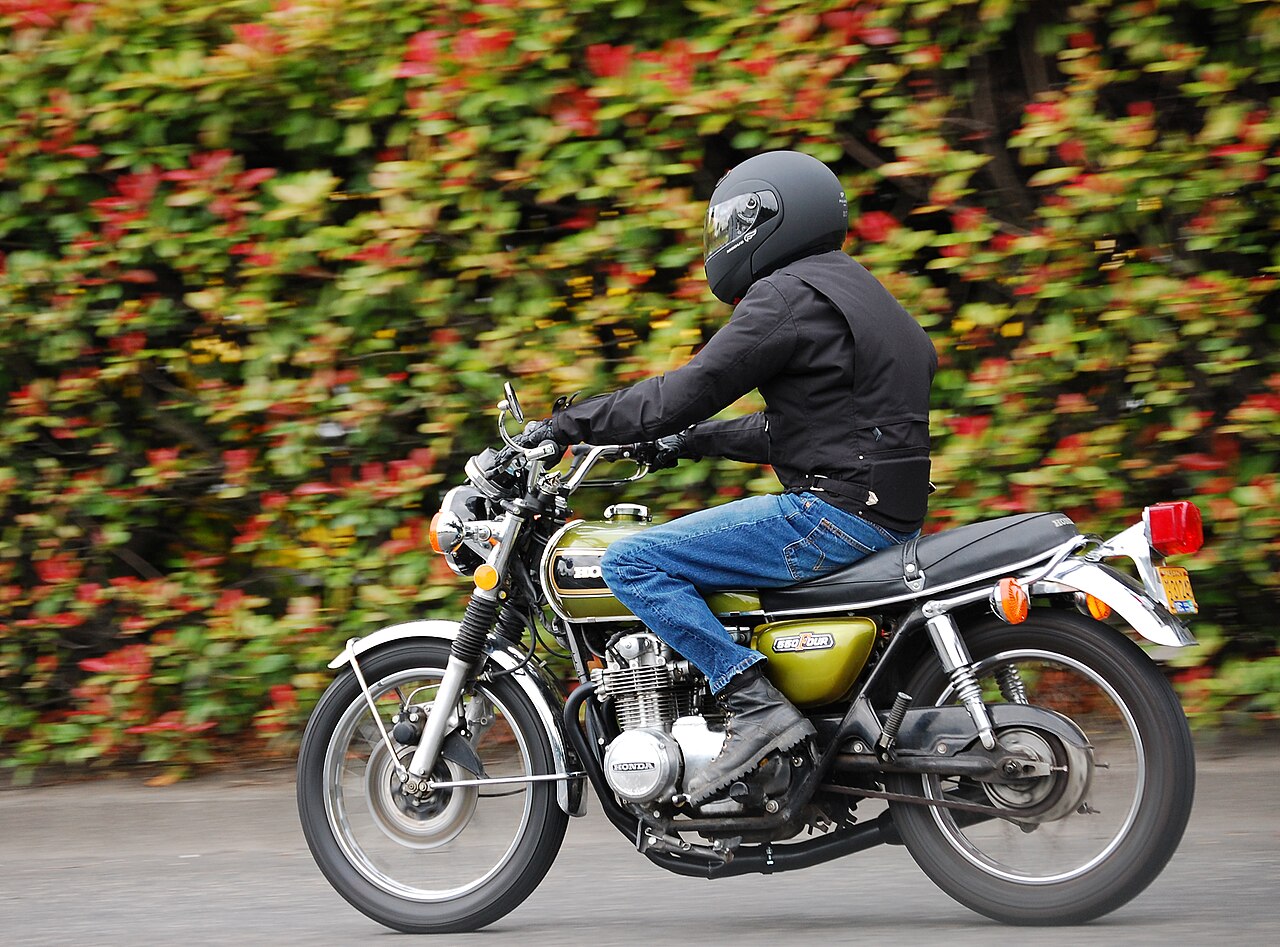
Honda CB550
Frequently mentioned as one of the best all-round classics Honda ever built, with a balance and torque delivery that its smaller siblings don't quite match. Parts support is strong, the engine is genuinely tough, and it's the kind of bike you can ride to work without a second thought.
Yamaha XS Series
Owners routinely report XS650s and XS850s racking up two decades of regular riding without major issues. Simple air-cooled engines, straightforward carburetion, and a big enough production run that parts and knowledge are easy to find.
What makes them work as daily bikes
Nothing exotic under the tank - conventional points or simple electronic ignition, standard charging systems, and no complicated emissions plumbing to fight with decades later.
Small Air-Cooled Singles
Something like a Suzuki DR250 represents a genuinely different appeal: dead simple, one cylinder, air-cooled, and about as little as there is to go wrong. Not fast, not glamorous, but the kind of bike that starts on the second kick every single time, which counts for a lot on a bike you actually intend to use.
What to Actually Look for If Daily Use Is the Goal
- Pick a model built before the early 1980s emissions-control era where possible - simpler carburetion, fewer vacuum lines to chase leaks in.
- Confirm parts availability before you commit, not after - a common Japanese four is a very different ownership experience from a rare European single.
- Buy a running, ridden example over a project - a bike that's been started and ridden regularly tends to reveal its problems honestly, where a long-dormant "easy project" hides them.
- Avoid anything heavily modified from stock if reliability is the actual priority - non-standard carburetion and wiring are the first things to cause mystery gremlins.
The Honest Trade-Off
None of these will out-corner a modern bike, and none of them have ABS, fuel injection, or a warning light for anything. What they offer instead is mechanical honesty: when something's wrong, you can usually see it, hear it, or feel it, and fix it yourself with hand tools in an afternoon. For a lot of riders, that trade is the entire point of owning one.
Photo credit: Fcb981 (CC BY-SA 3.0)




Comment (00)