




 Datum:
9 nov., 2026
 Classic Cars
 Geplaatst door
Super Admin
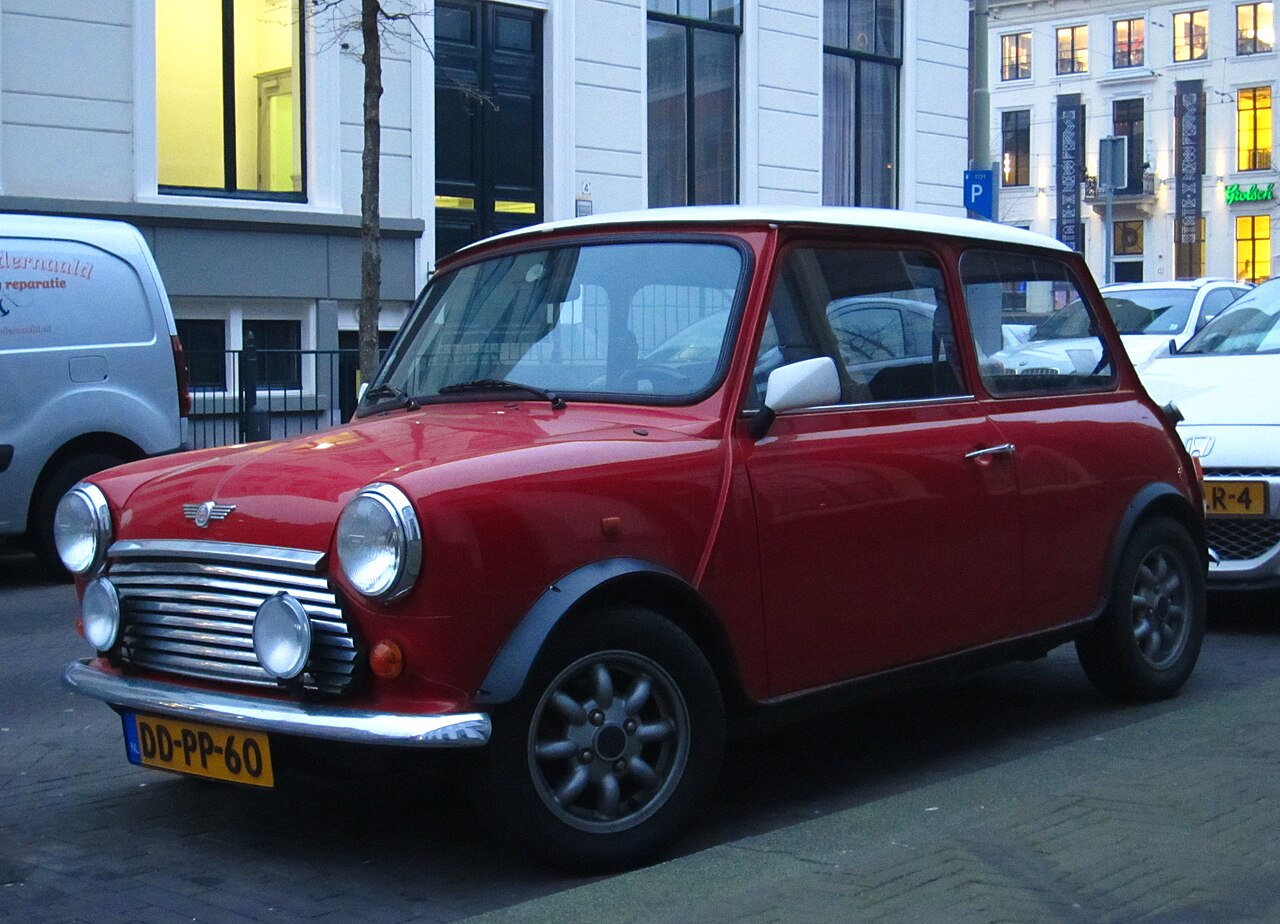
There is a 1985 Austin Mini 1000 sitting on our live auctions page right now, dark blue with a white roof, and it is a good excuse to talk through what actually matters when you are looking at one of these. The classic Mini has a reputation as the cheap, cheerful entry point into British classics, and in a lot of ways it still is. But it is also a car built on a shoestring budget in the 1960s with rustproofing that was an afterthought at best, and that catches a surprising number of first-time buyers out. The purchase price is rarely the number that hurts. The bill that follows it is.
Austin, Morris, Rover - It's All the Same Car
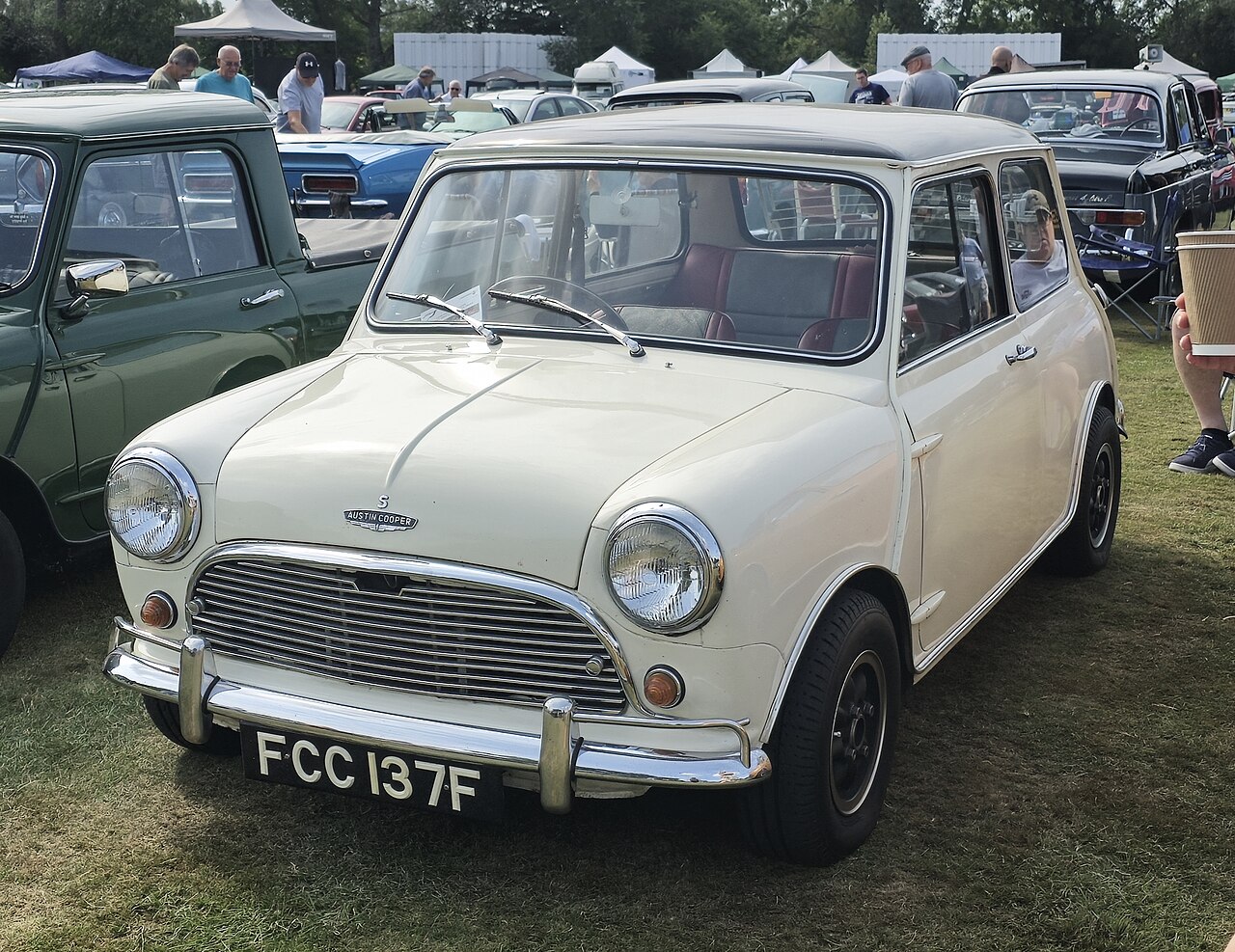
The badging on these things causes more confusion than it should. The Mini launched in 1959 wearing both Austin and Morris badges from two different BMC dealer networks, then went through an Austin Mini phase, then became simply "Mini" and eventually wore Rover badges once British Leyland and then Rover owned the brand, right through to the last one built at Longbridge in 2000. Mechanically it barely matters which badge is on the nose of any given year. What matters more is the engine and trim. The standard car ran an 848cc A-series engine for most of the 1960s before a 998cc option arrived in 1967, and the performance versions are a different story entirely.
The Mini Cooper and Cooper S
Roughly 64,000 Mk I Coopers were built against something like 19,000 Mk I Cooper S cars, and the Mk II run added another 16,000-odd standard Coopers and around 6,300 Cooper S examples - though it's worth saying plainly that production figures for these cars genuinely disagree between sources, so treat any number you read, mine included, as an approximation rather than gospel. The short-lived 970cc Cooper S, built for homologation reasons and dropped around January 1965, is the rarest of the lot and the one most worth getting checked before you pay a premium for it.
The Subframes Are the Whole Story
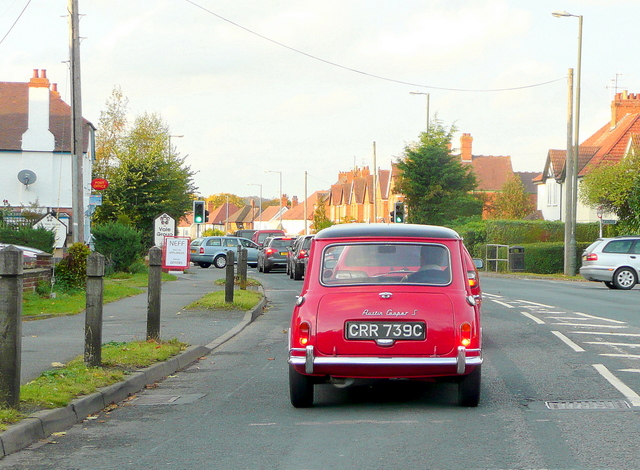
Rear subframe
If you check one thing on a classic Mini, check this. The rear subframe and its mounting towers inside the boot are the single biggest structural worry on the entire car, because the factory rustproofing back there was minimal and decades of road salt have had their way with it. Press firmly on the towers with your thumb - if they flex or crumble, you are looking at a proper job, and owners on forums put a professional rear subframe replacement at somewhere around £500 once you include labour. Surface rust on an otherwise sound subframe is a much easier fix: wire brush it back, treat it, move on.
Front subframe
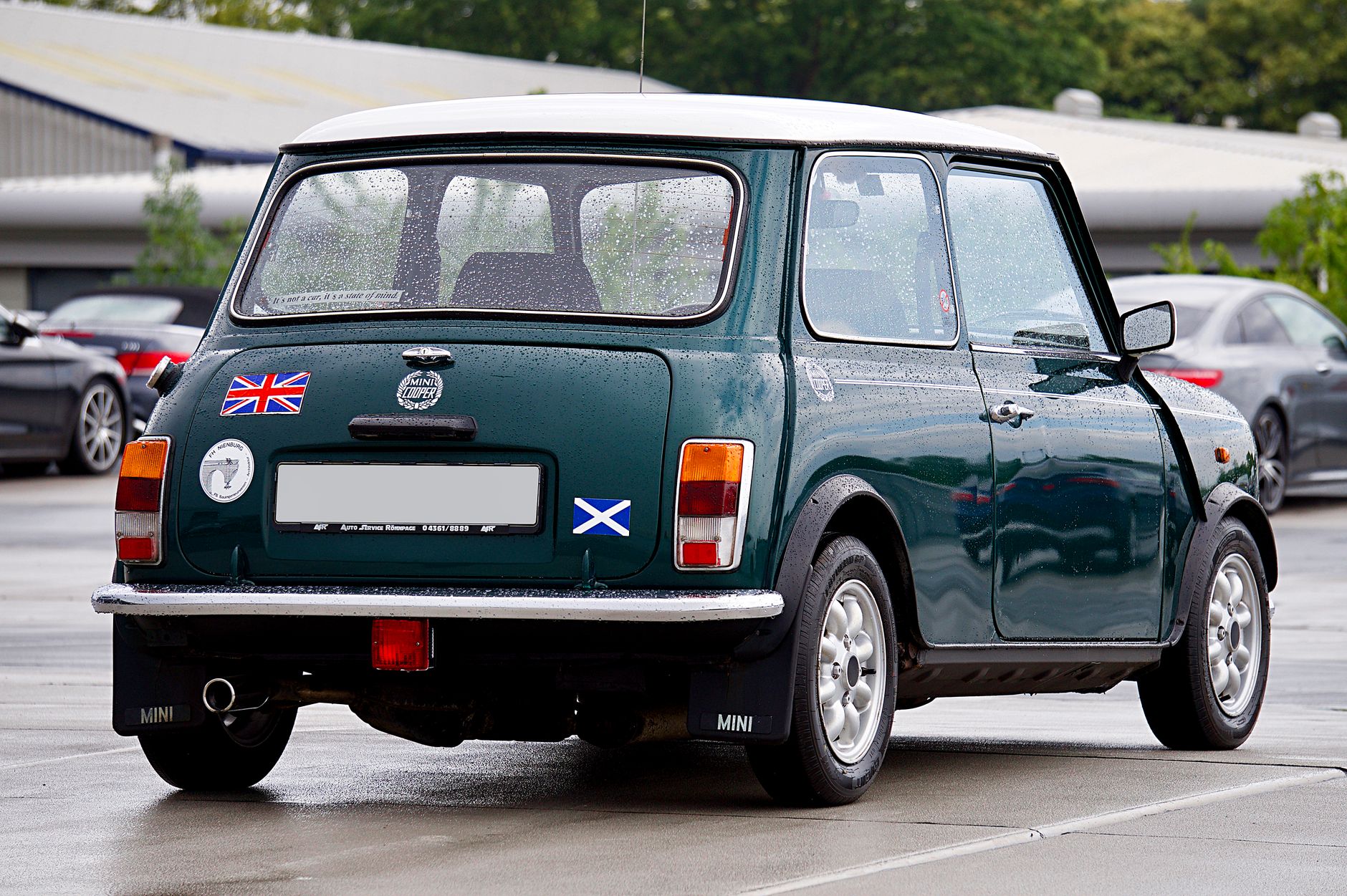
The front subframe actually fares better, mostly by accident - years of engine and gearbox oil seeping onto it does a decent job of keeping rust at bay. The spot to check instead is where the subframe mounts meet the floor, which is a known weak point even on cars where the subframe itself looks fine.
Sills, Floors, and the Scuttle
Lift the carpets before you lift the bonnet. Sills, floor pans - especially the front footwells - and the A-panels rot on these cars in a way that is structural, not cosmetic, and a lot of it hides under carpet and underseal until you go looking. The scuttle panel below the windscreen is a particularly common rot spot, and once it goes, water runs straight down into the footwells and accelerates everything else. Classic and Sports Car has noted that later-production Minis tend to be worse for this than the earliest cars, which is a bit counterintuitive but tracks with how corner-cutting crept into the production run over the decades.
Spotting a Real Cooper
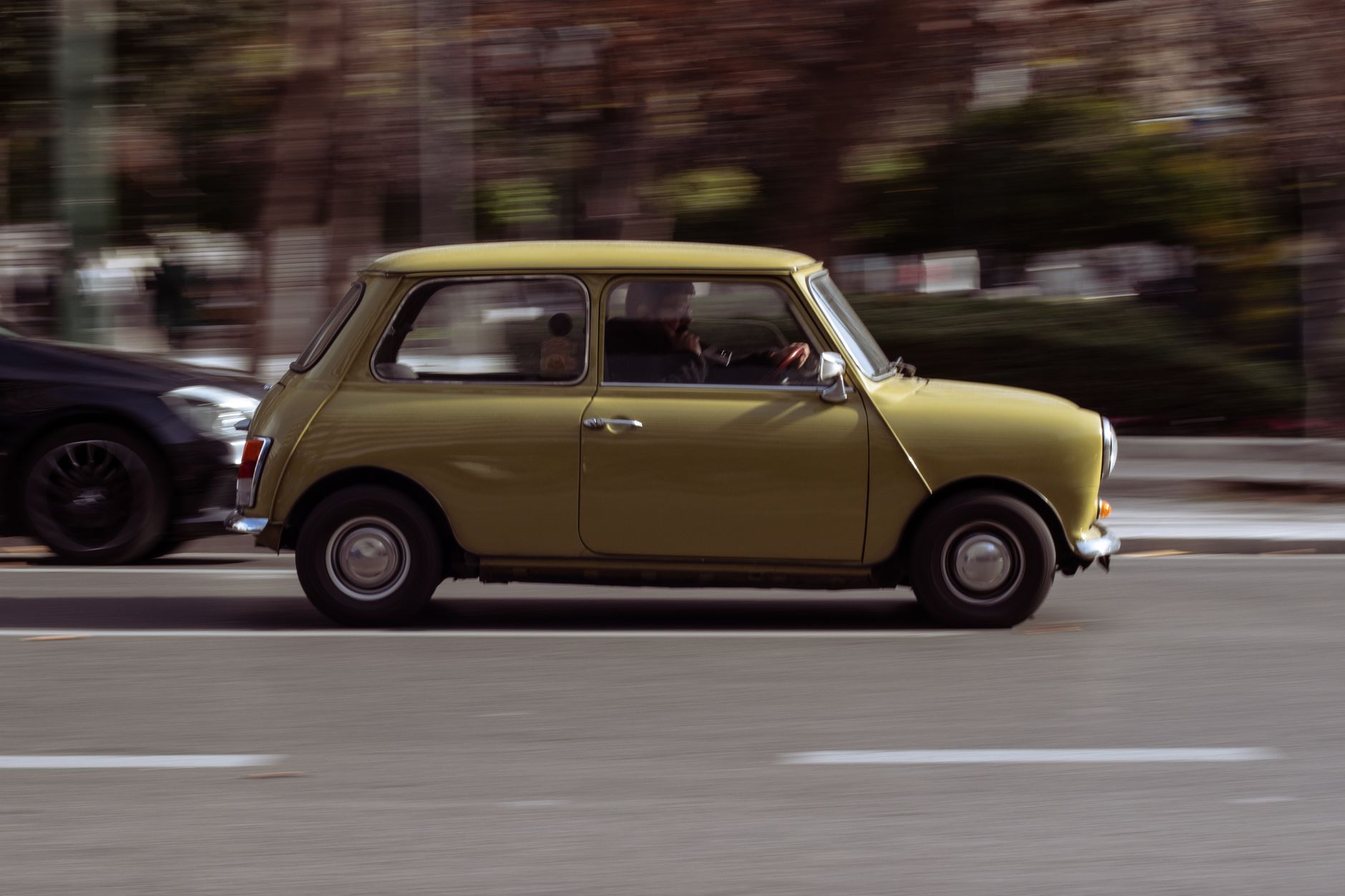
Because genuine Cooper and Cooper S cars command a real premium, fake Cooper badging on a standard car is a well-known trick, and it is not always done to deceive - plenty of owners just fitted Cooper trim because they liked the look. Either way, if you are paying Cooper money, get the car's identity confirmed with a Heritage Certificate from the British Motor Museum before you hand over a deposit. It costs very little next to what a Cooper S premium actually is, and it settles the argument completely.
What a Good One Actually Costs
Prices on these have moved around more than you'd expect, and the gap between a scruffy runner and a documented Cooper S is enormous.
- Rough project Mini: these still turn up cheap, but budget hard for subframe and floor work before you fall for the asking price - the restoration can easily outrun the car's value.
- Solid driver-quality standard Mini: this is where a lot of the market sits, and it's the sweet spot for someone who just wants to drive one rather than restore one.
- 1967 Mk II Cooper S: one recent listing failed to meet its reserve at $27,500, which tells you Cooper S money is real money even when a sale doesn't quite happen.
- 1991 Rover Mini Cooper 1300: sold for $35,000, a reminder that a clean, well-documented later Cooper can outprice an earlier Mk II car if the history is good enough.
Before You Bid
- Subframes: press the rear towers, check the front mounting points at the floor, and don't let underseal hide the answer.
- Heritage Certificate: confirm any Cooper or Cooper S identity before you pay the premium for it.
- Floors, sills, and the scuttle: lift the carpet, check the footwells, and look for water staining that points back to a rotten scuttle panel.
- Engine and gearbox: a bit of oil seepage from the A-series is normal rather than alarming, but listen for rod knock and check the gearbox doesn't jump out of second.
None of this is meant to put you off a car that remains one of the most charming things you can buy into British motoring for relatively sensible money. It just rewards someone who looks properly rather than someone who falls for the first good photo. If you want to see what a real one looks like under all this, the 1985 Austin Mini 1000 currently listed is worth a look at the subframes for exactly the reasons above, and our wider classic cars section has more where that came from. If you haven't bought through an online auction before, it's worth reading through how it works first so you know what a condition report should and shouldn't tell you before you bid.
Photo credit: Jonathan Billinger (CC BY-SA 2.0), MINI Cooper Lover (CC BY-SA 4.0), Rutger van der Maar (CC BY 2.0), Calreyn88 (CC BY-SA 4.0)





Comment (00)