




 Datum:
4 Aug, 2026
Datum:
4 Aug, 2026 tips and tricks
 Veröffentlicht von
NielsV
Veröffentlicht von
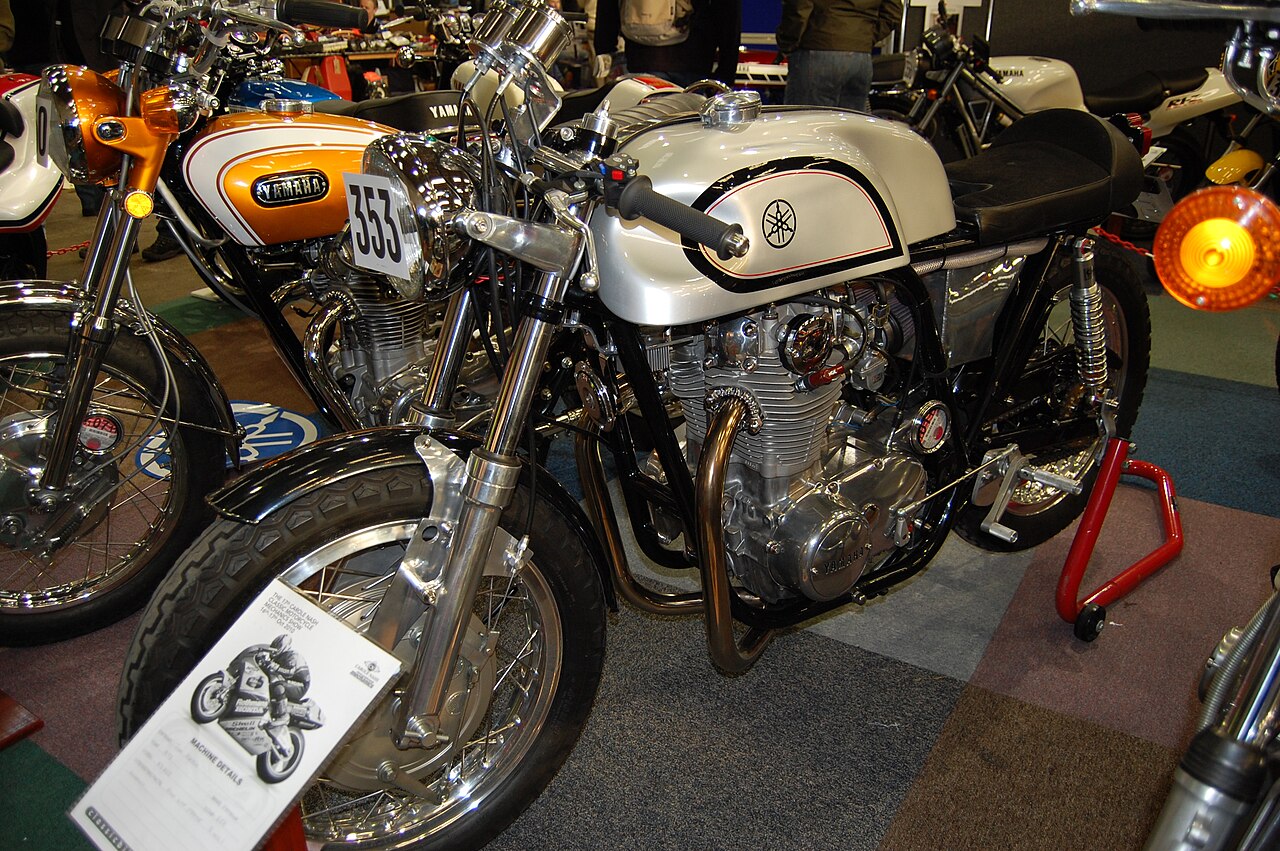
NielsVDie Custom-Kultur hat die Angewohnheit, etwa alle zehn Jahre wieder auf sich selbst zurückzuschwingen, und gerade schwingt sie kräftig zurück in die Vergangenheit, während sie stark von der Gegenwart borgt. Die Motorräder, die dieses Jahr aus kleinen Werkstätten kommen, sehen eher aus wie Rennmaschinen der 1970er als irgendetwas aus einem modernen Showroom, aber der Teilekasten dahinter ist durch und durch modern.
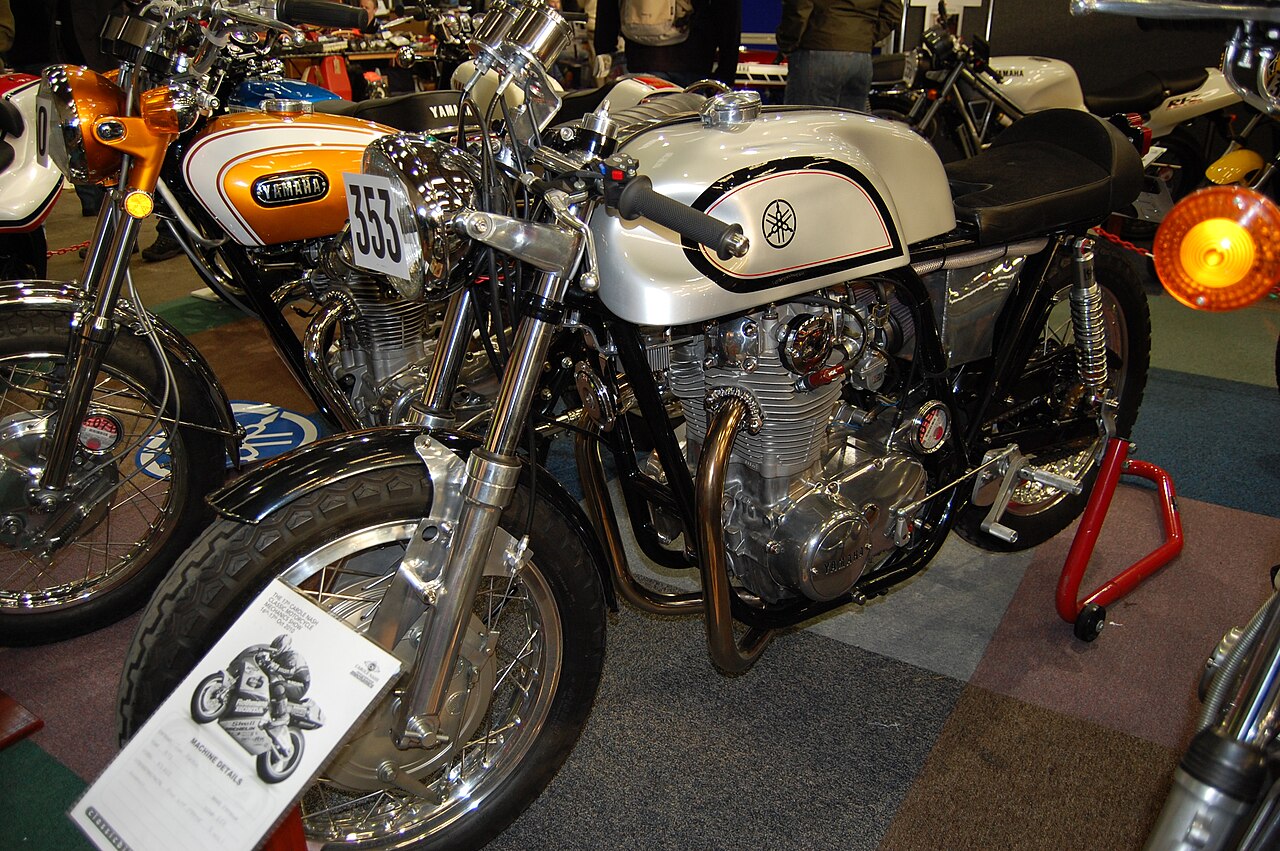
Retro-Silhouetten sind zurück, und sie waren eigentlich nie wirklich weg
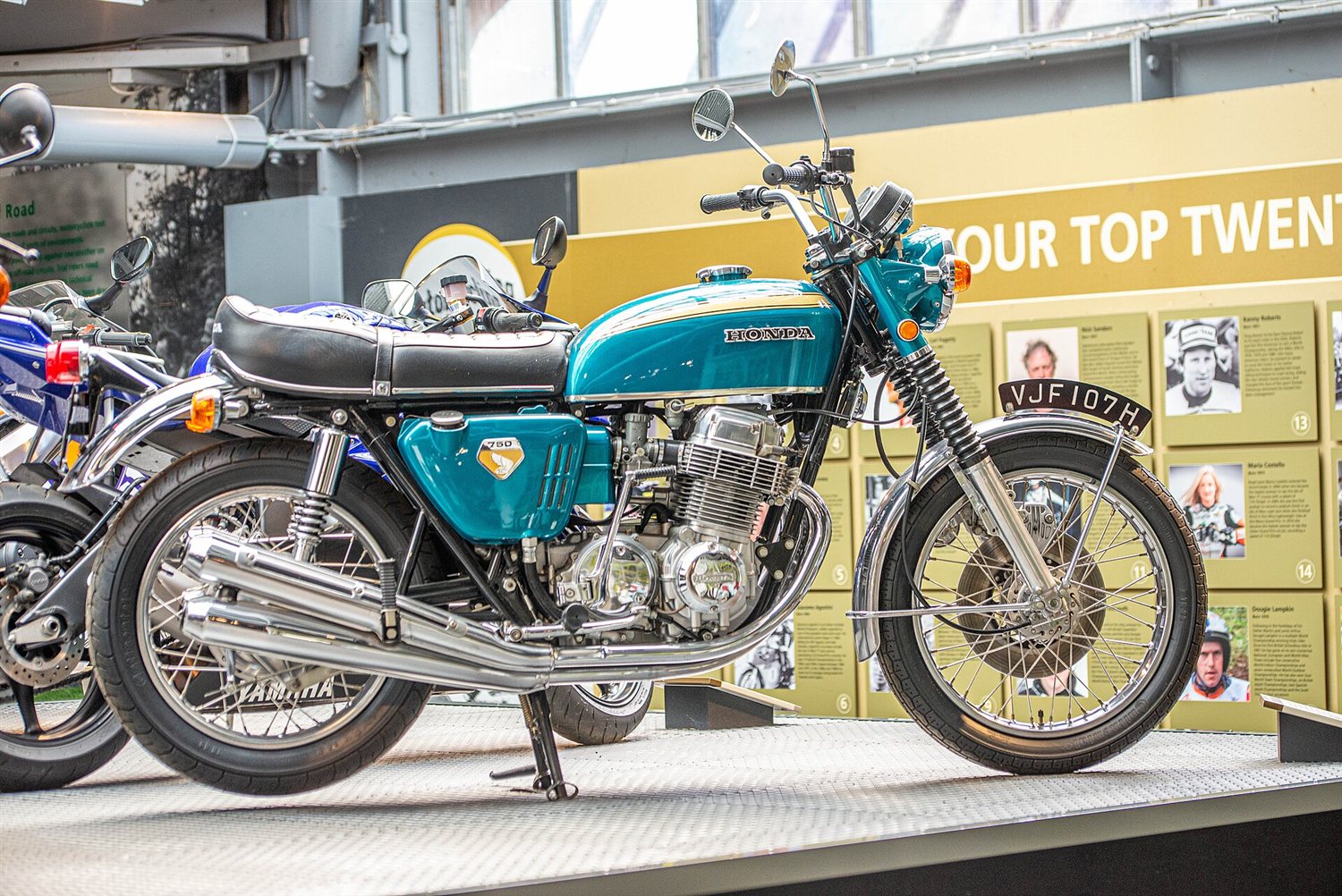
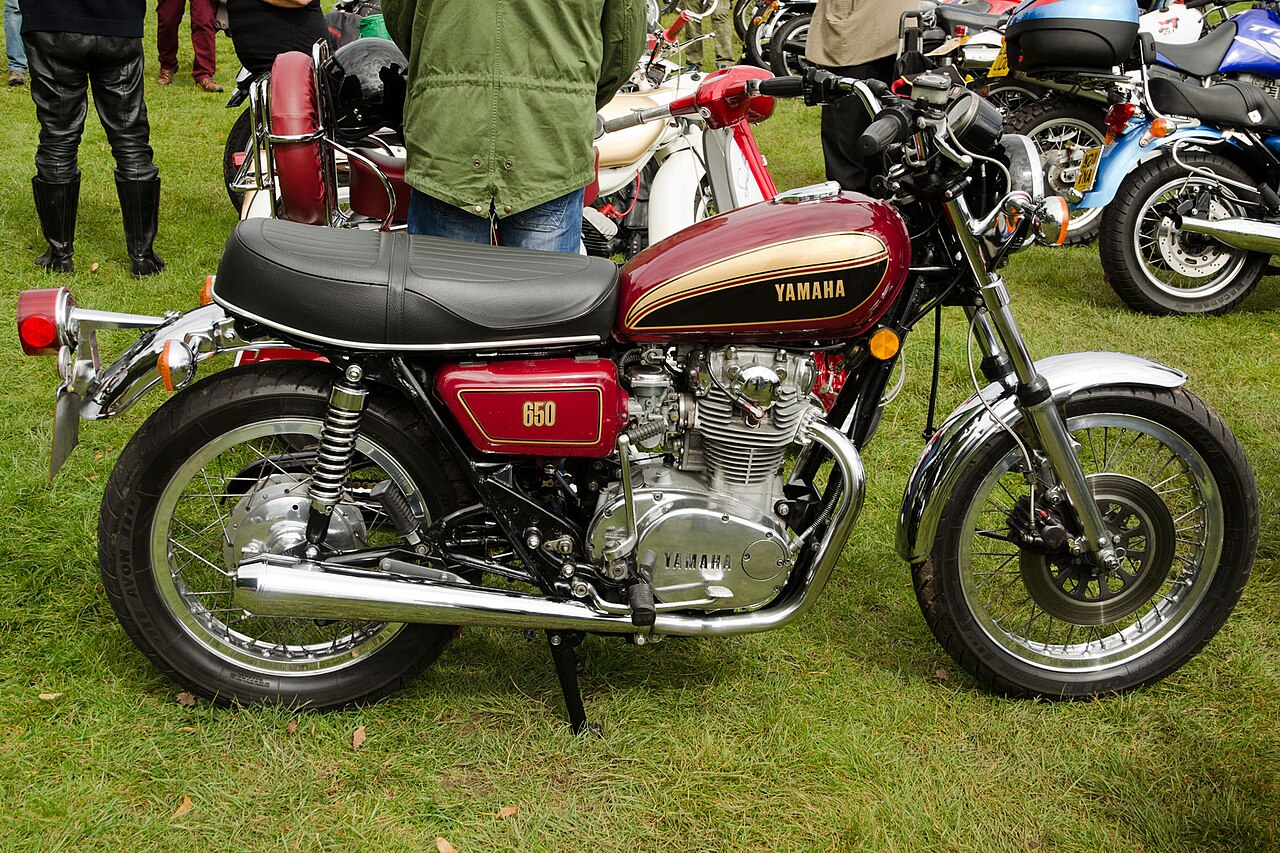
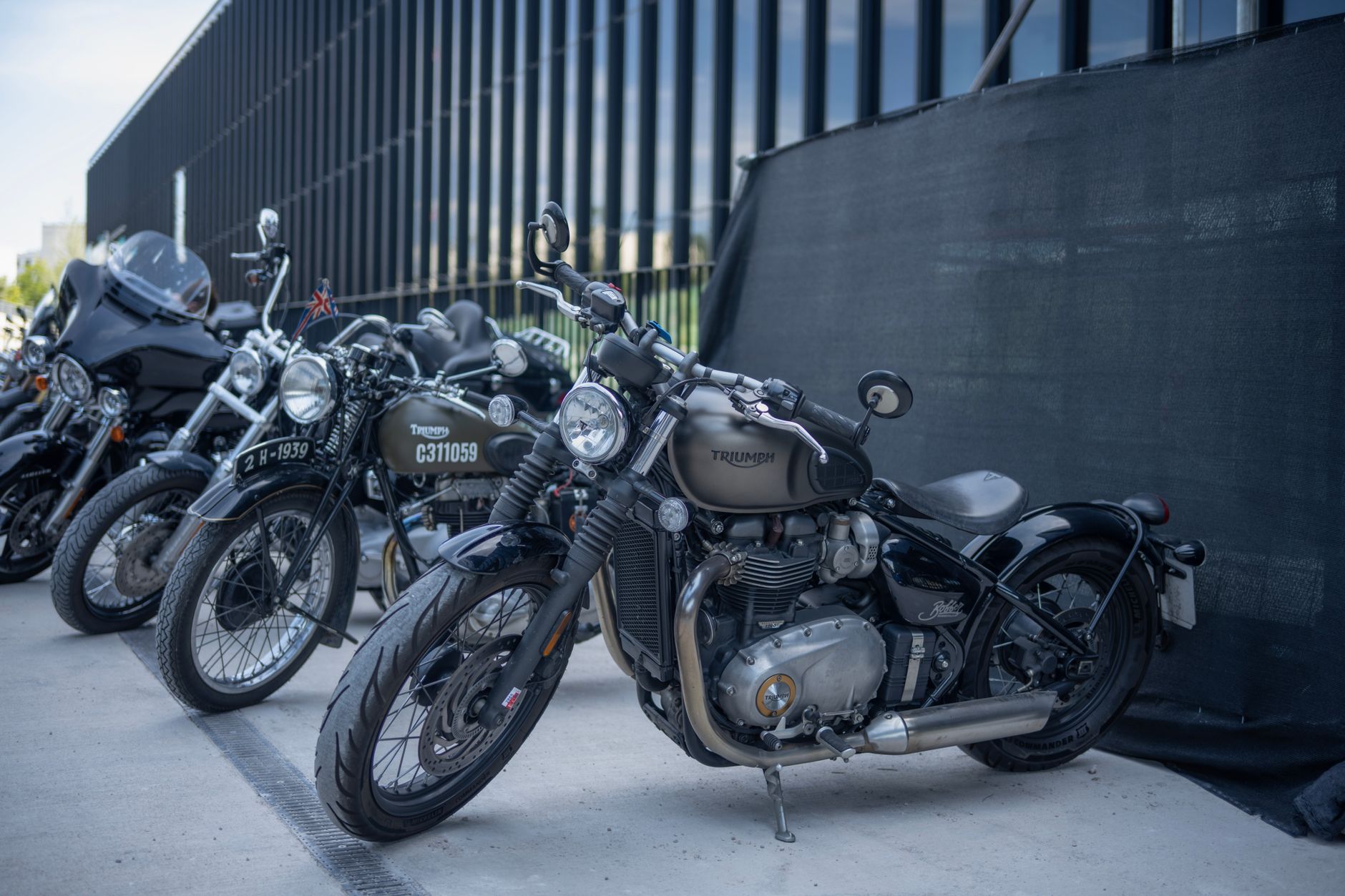
Café Racer, Scrambler und Bobber bleiben das Rückgrat der Custom-Kultur, und wenn überhaupt, ist der Appetit auf diese schlanke, entkernte Silhouette eher gewachsen als geschrumpft. Was sich geändert hat, ist die Ausführung: moderne Federung, bessere Bremsen, und Elektronik versteckt in zeitgetreuer Karosserie, sodass ein Motorrad aussehen kann wie 1972, aber fährt, als hätte es letztes Jahr das Werk verlassen.
Der Brat-Café-Hybrid ist zu einem eigenen Stil geworden
Was ihn definiert
Mittelhohe Lenker, ein verstärkter Unterfahrschutz, Gitter-Scheinwerferschutz, und Wüstenrennen-Farbschemata - man denke an Sandbeige mit schwarzen Akzenten statt der Hochglanzlackierung eines traditionellen Café Racers.
Warum Bauer ihn mögen
Er teilt den Unterschied zwischen der aggressiven Haltung eines Café Racers und der Praktikabilität eines Scramblers, was ihn auf schlechten Straßen wirklich nutzbar macht statt nur fotogen auf dem Showroom-Boden.
Elektrische Custom-Umbauten sind keine Neuheit mehr
Eine wachsende Zahl ernsthafter Bauer nimmt Elektroumbauten als Designproblem statt als Gimmick ernst, fräst maßgeschneiderte Batteriegehäuse, integriert Ladeanschlüsse in die Karosserie, und fügt digitale Displays hinzu, die zur restlichen Ästhetik des Umbaus passen, statt angeschraubt zu wirken. Der Reiz gilt nicht nur umweltbewussten Käufern - ein gut ausgeführter Elektro-Custom ist leiser, was verändert, was ein Bauer mit einem Design tun kann, das früher die Auspuffführung berücksichtigen musste.
Nachhaltige Materialien tauchen in echten Umbauten auf
Recyceltes Metall, organische Lederalternativen, und biologisch abbaubare Kunststoffe bewegen sich von Konzeptmotorrad-Gesprächsthemen hin zu tatsächlichen Kundenumbauten, besonders bei Sitzpolsterung und kleineren Zierteilen. Es ist ein langsamer Wandel, kein vollständiger, aber er beschränkt sich nicht mehr nur auf Einzelstücke, die rein für einen Messestand gebaut wurden.
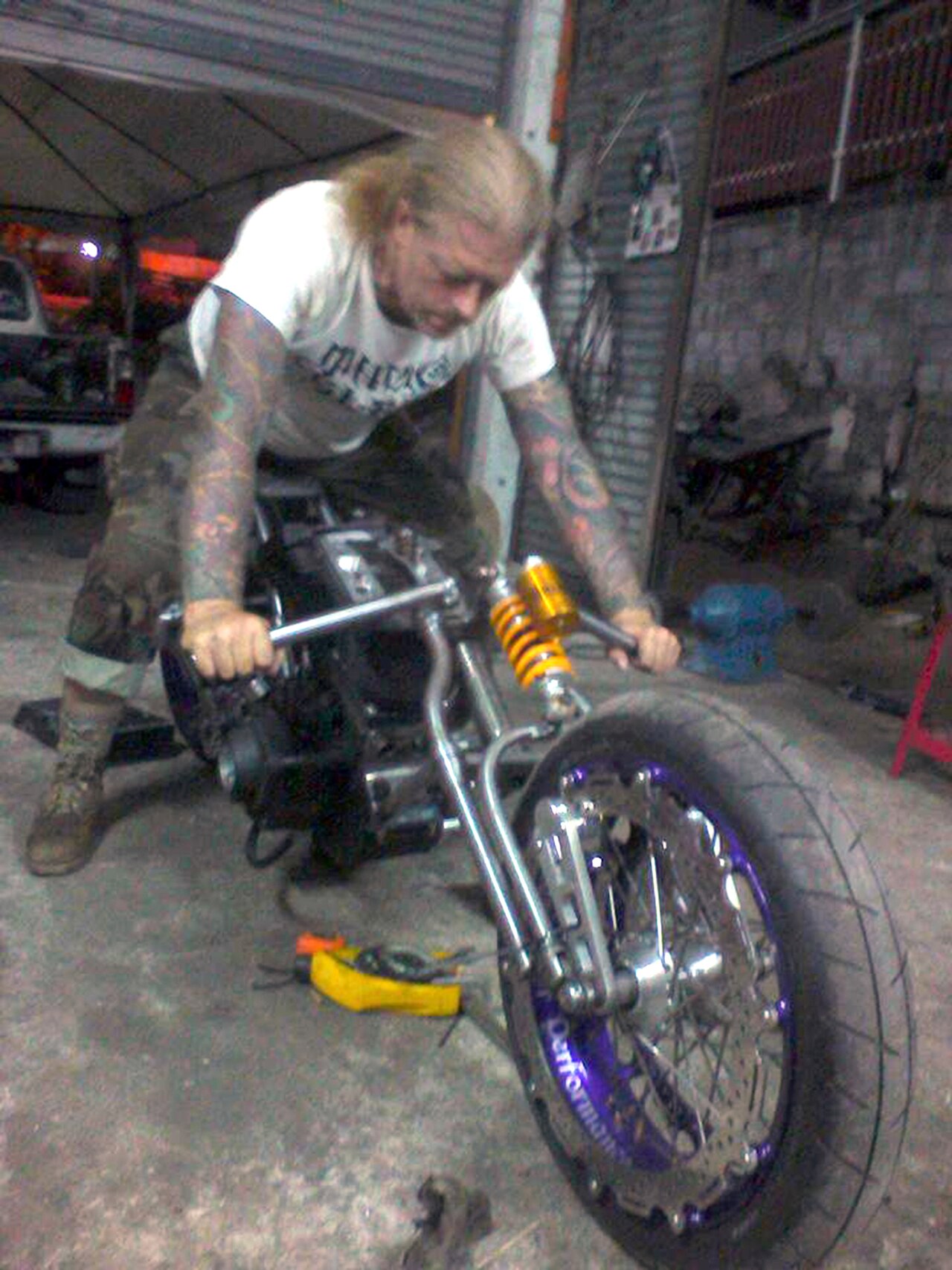
Die Community-Seite hat sich überhaupt nicht geändert
Was sich nicht verschoben hat, ist der Grund, warum Menschen das überhaupt tun. Bauer treffen sich immer noch bei Treffen, um Arbeit zu vergleichen, Teile zu tauschen, und gutmütig darüber zu streiten, wessen Interpretation eines Stils seinen Wurzeln treuer ist. Die Materialien und die Antriebsstränge entwickeln sich weiter. Der Grund, warum jemand achtzehn Monate damit verbringt, einen Tank von Hand zu fertigen, den er auch von der Stange hätte kaufen können, ist genau derselbe geblieben.
Bildnachweis: Ronald Saunders from Warrington, UK (CC BY-SA 2.0), Meow2021 (CC BY-SA 4.0), Ronald Saunders from Warrington, UK (CC BY-SA 2.0)


Comment (00)