




 Data:
24 ott, 2026
 Supercars
 Pubblicato da
Super Admin
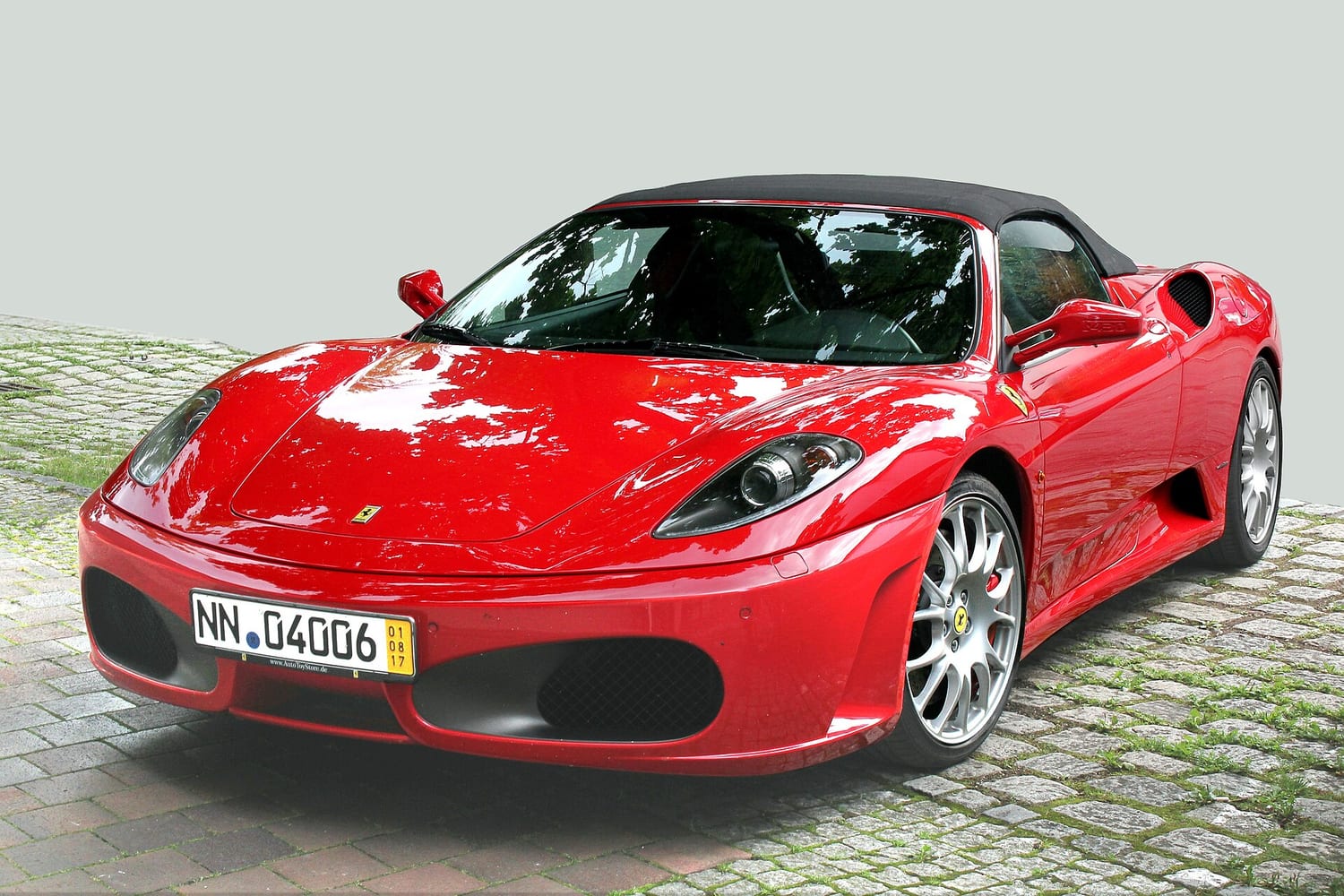
The price you pay for a supercar is the first bill, not the last. Ownership has a running cost that surprises people who have never kept an exotic car, and the surprise tends to come at the worst moment, in the form of a service invoice or a set of tyres. A realistic budget before you bid is the best protection against that.
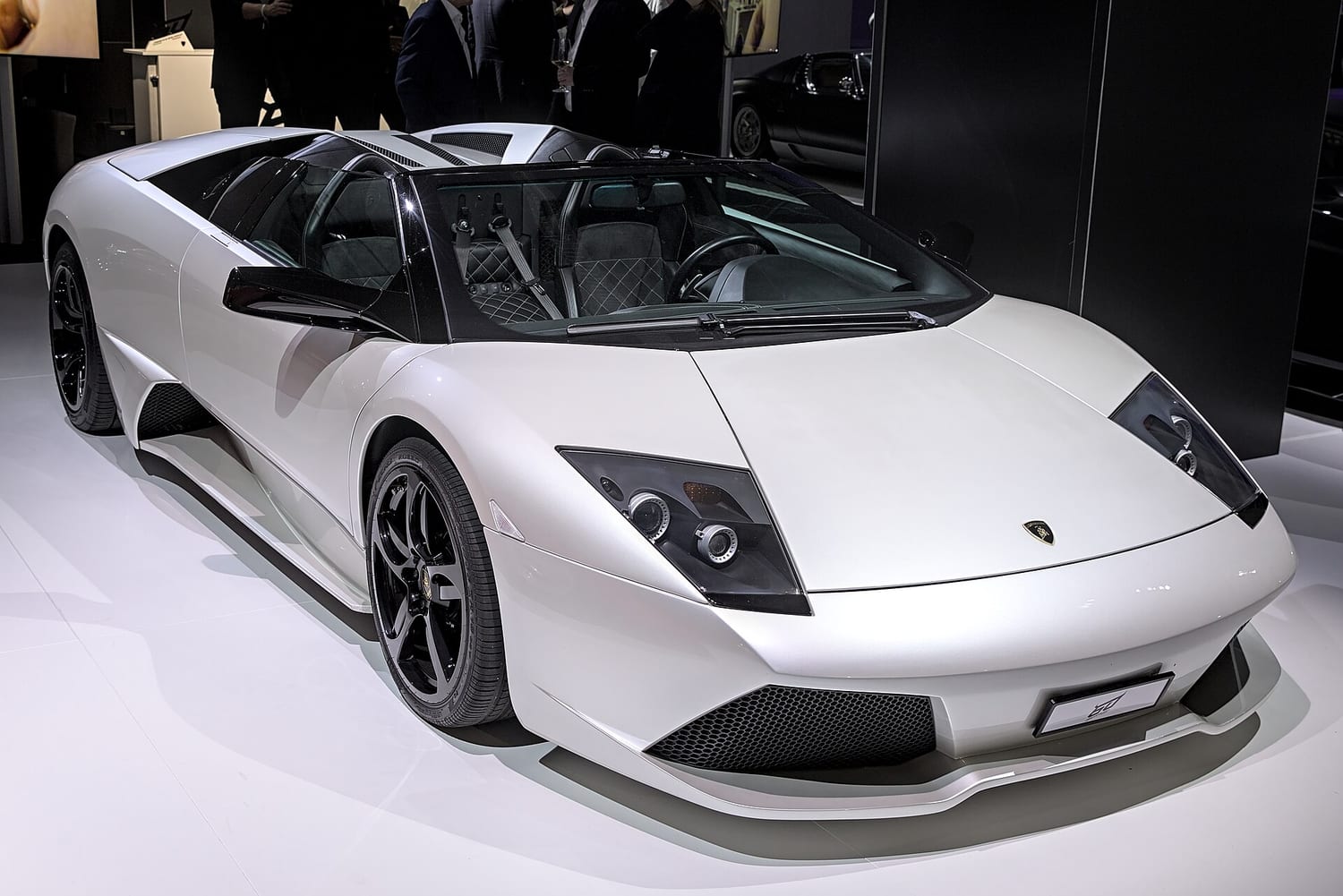
Budget by Category, Not by Total
I find it helps to split the cost into the things that always happen and the things that sometimes do. Servicing, tyres, insurance and storage will always cost something. A clutch, a repair after a small mishap or an unexpected electrical fault will happen to some cars and not others. Put a figure on each, and keep a reserve for the second group.
Servicing
Specialist labour and specialist parts cost more than ordinary ones, and many models need a major service at long intervals that can be expensive. Ask for the maker's recommended service schedule and what each service involved on the car you are considering. A car that has missed services will have a bill waiting for you, and it is better to price that in than to hope.
Tyres and Brakes
Supercar tyres are large, specialised and wear quickly if the car is driven hard. They also age: the date code on the sidewall tells you the week and year of manufacture, and many specialists advise replacing tyres at around ten years regardless of tread. Brakes can be expensive too. Carbon-ceramic discs last a long time but cost a great deal to replace, so ask about measured wear before you bid.
Storage and Care
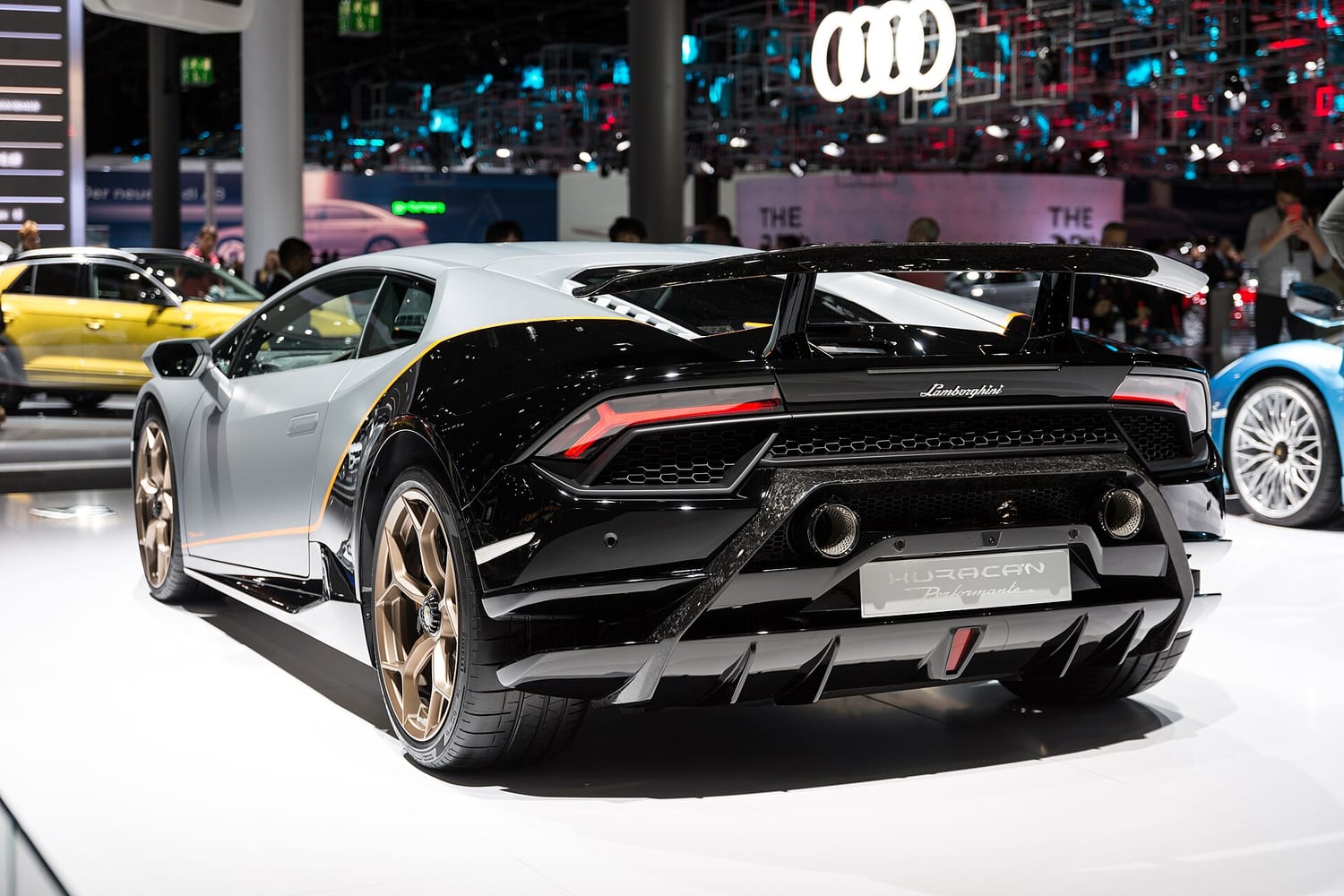
A supercar should live in a dry, secure, preferably heated space. A battery maintainer keeps the electronics healthy, a breathable cover protects the paint and regular short drives keep seals and fluids in good order. Cars that are left for long periods tend to need recommissioning work, which is a cost to budget for and to ask about with any car that has been in storage.
Insurance
Insure a supercar on an agreed value, so that a total loss pays the figure you and the insurer settled on, not an assessor's opinion. Specialist policies usually come with conditions on mileage, storage and use, and the premium depends on the owner, the location and the car. We explain agreed value and the questions to ask an insurer in our guide to insuring a classic.
Depreciation and Appreciation
Some supercars lose value in their first years, some hold their price and a few rise. It depends on the model, the supply and the market at the time, and none of it is certain. The honest way to think about it is that the cost of owning is the running cost plus any change in value, and you should be comfortable with the running cost even if the value does not rise.
A Simple Budget Check
- What does the maker recommend for servicing, and when was it last done?
- What will a full set of tyres cost, and how old are the current ones?
- What is the wear on the brakes and the clutch?
- Where will the car be stored, and what will that cost?
- What will insurance cost on an agreed value?
Answer those before you bid, and the car becomes a decision, not a gamble. Use the valuation reports and appraisals guide for the value side, and look for the next car among our classic cars and supercars.
Photo credit: Lothar Spurzem (CC BY-SA 2.0 de), Alexander-93 (CC BY-SA 4.0), Matti Blume (CC BY-SA 4.0)




Comment (00)