




 Date:
24 oct., 2026
 Supercars
 Publié par
Super Admin
There is a sound that people who have driven a gated manual Ferrari tend to describe in the same way: the metal-on-metal click of the lever finding its slot. It is the sound of a gearbox that asked something of its driver, and it is also the reason these cars now command a premium over their automated siblings. The reasons are partly emotional and partly the cold arithmetic of how few were built.
What a Gated Manual Is
The gated shifter is a manual gearbox in which the lever moves through a polished metal gate, with a visible pattern for each ratio. It is a mechanical link between driver and car, and it was a signature of Ferrari's front- and mid-engined road cars for decades before automated gearboxes took over.
The Turning Point
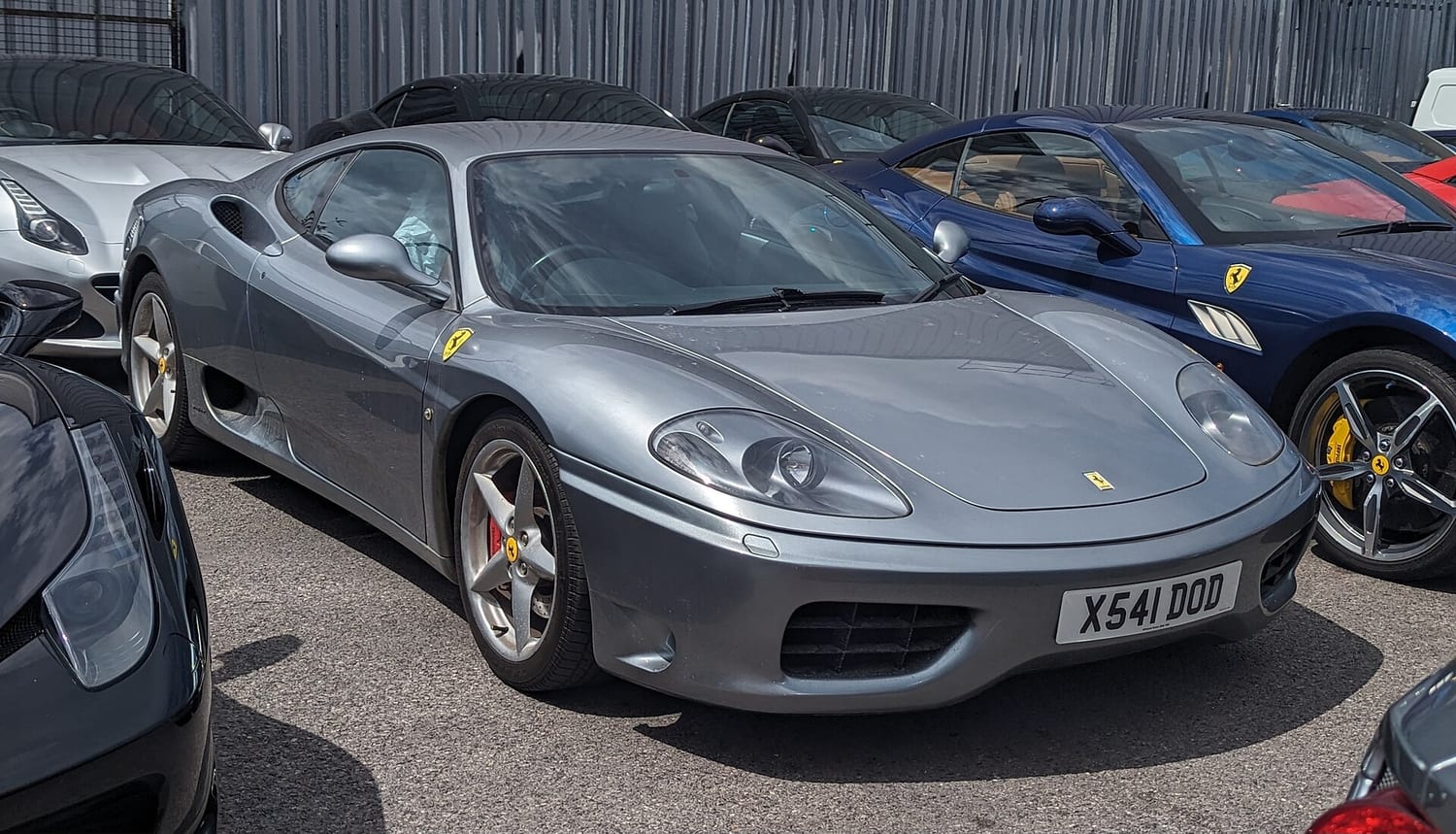
Automated manual gearboxes began to take over after the Ferrari F355 in 1997. Customers wanted faster shifts and easier use, and the factory followed. As the new gearboxes became the default, the manual became an option, and then a rarity.
The Numbers by Model
How few manual cars were built is the heart of the story, and the figures differ from model to model.
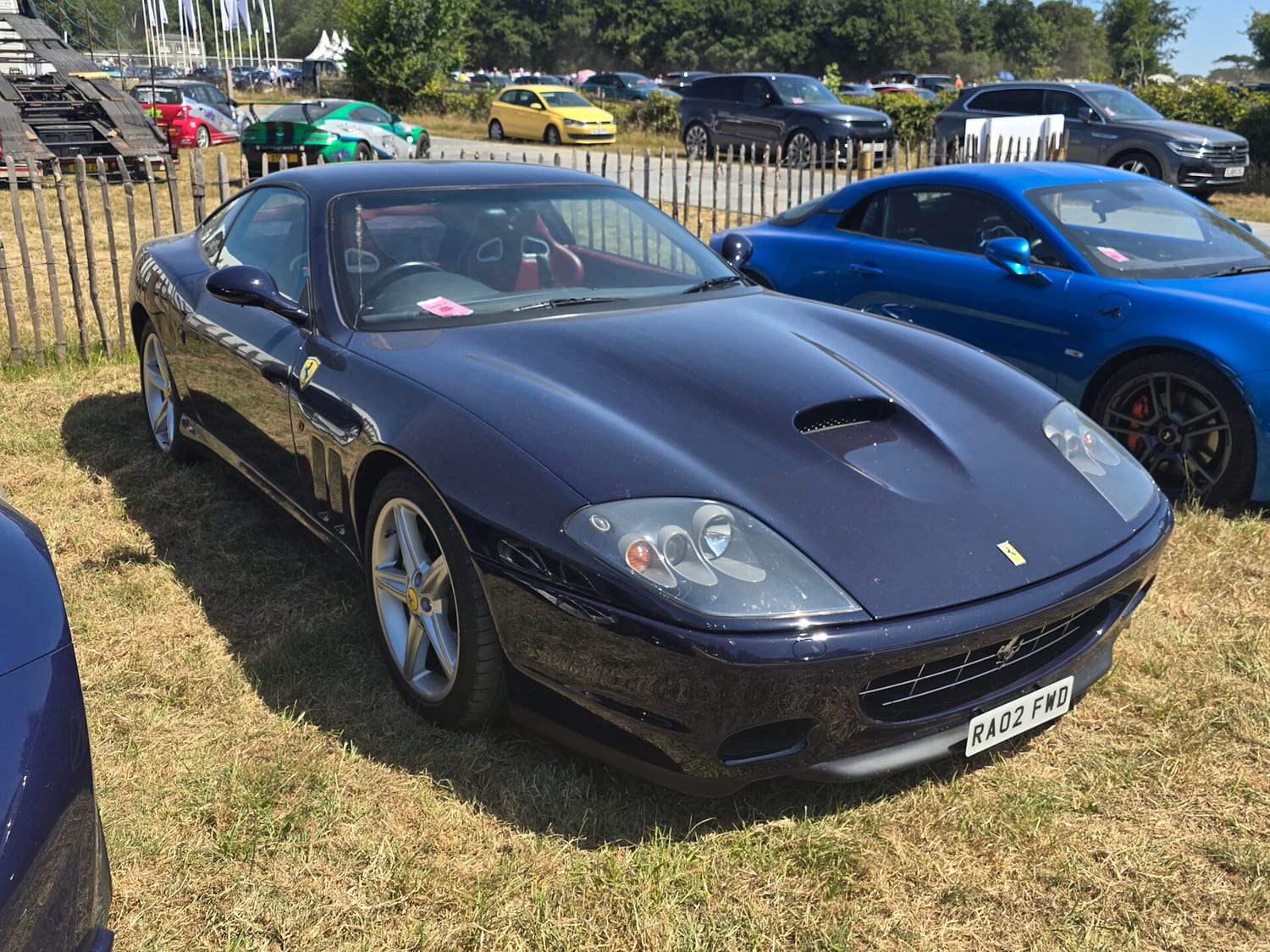
Ferrari 550 Maranello
This front-engined V12 grand tourer was built entirely with a manual gearbox, so there is no automated version to compare against.
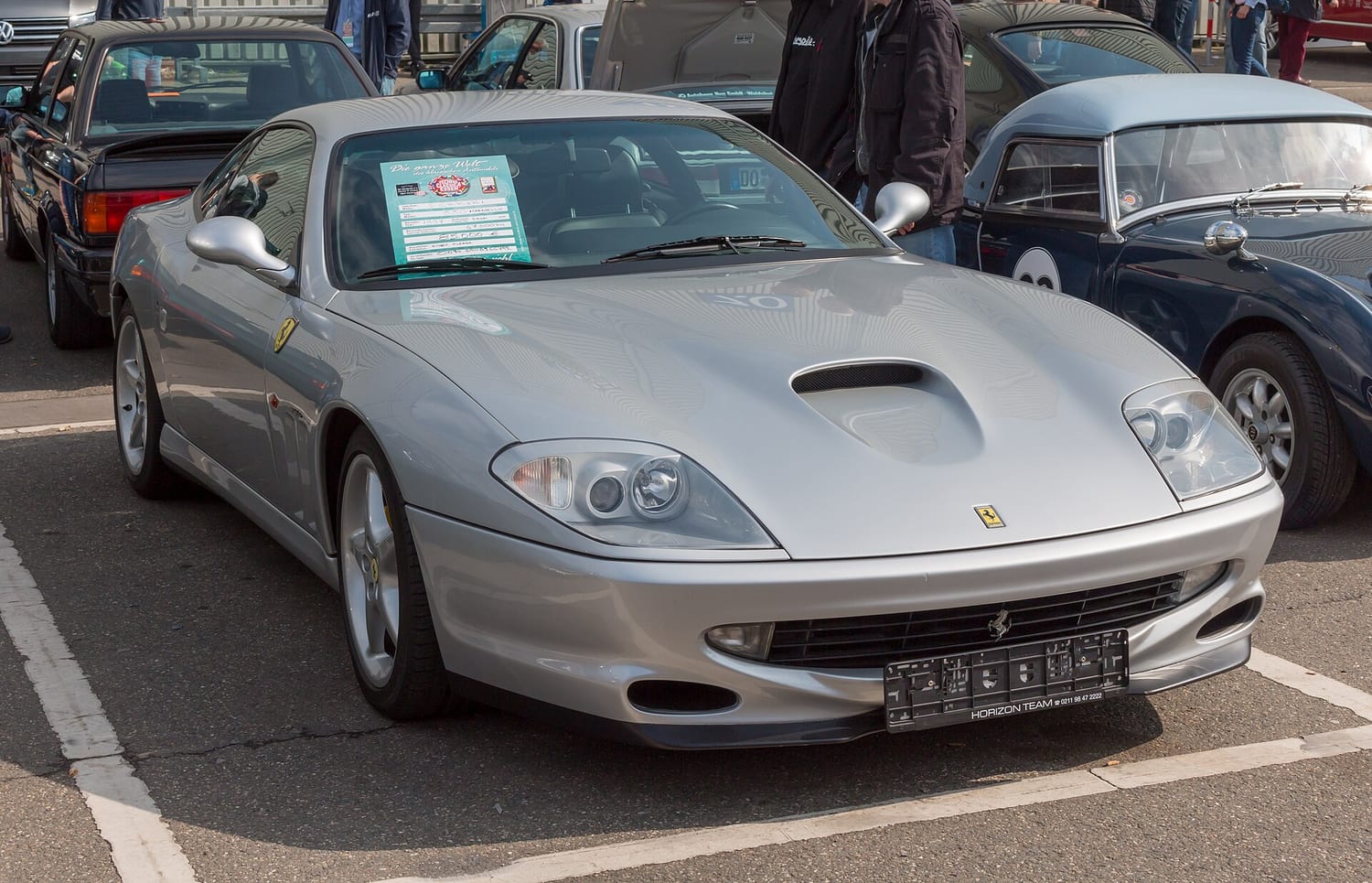
Ferrari 575M Maranello
Only about 246 examples of the 575M were built with a manual gearbox, according to one account, alongside a small number of 575 Superamerica models. It is a figure to confirm against a registry before you rely on it.
Ferrari F430
The last mid-engined V8 Ferrari offered with a conventional six-speed manual. One enthusiast estimate puts manual cars at about ten percent of the run.
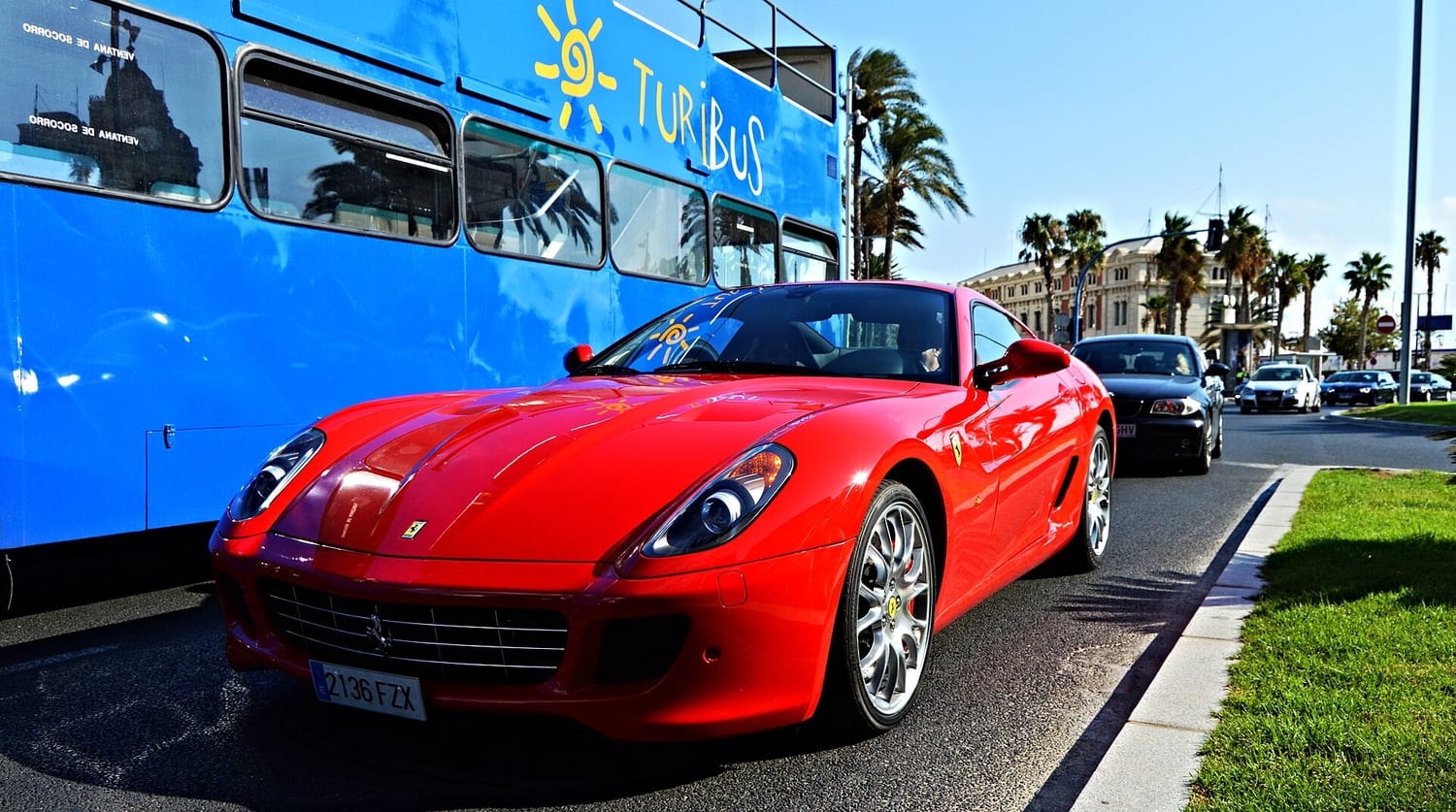
Ferrari 599 GTB Fiorano
Roughly thirty manual cars left the factory, according to published accounts. A 2012 599 GTB Fiorano, chassis 187007, has been described as the final Ferrari fitted with a manual gearbox, and was offered at auction by RM Sotheby's.
Why the Premium Exists
A manual car costs more because there are fewer of them, because they feel different to drive and because they are seen as the last of a kind. For a collector, scarcity and driver involvement tend to support prices, but they are not a guarantee, and the premium varies by model, year and condition. Always compare with sales of similar manual and automated cars.
What to Check Before You Bid
With a rare manual, the paperwork matters more than usual. Confirm the gearbox type against the factory records and the build documentation, and consider the maker's own authenticity certification, which we describe in our article on factory certificates. A conversion from an automated car is not the same thing as a factory manual, and it should not be priced like one. Ask for the service history, particularly the clutch and any major engine work, and see the car in person if you can. Our guide to matching numbers is a good starting point for the numbers side.
Conversions and Look-alikes
Because manual cars carry a premium, there is an incentive to present other cars as manuals. Some cars have been converted from an automated gearbox to a manual by specialists, which can be well done and still is not the same as a car that left the factory with a gate. Check the gearbox type against the chassis number and the build records, look for a certificate from the maker, and ask whether the car has ever been converted. A converted car can be a fine thing to drive. It should be priced as what it is.
Driving One
The point of these cars is to be used, with some care. Ferrari's later models moved on to faster, smoother gearboxes, and even a quick modern car has little of the character of a gate. If you are tempted, look through the classic cars and supercars and the live auctions, and decide in advance how far you will go for the experience.
Photo credit: Calreyn88 (CC BY-SA 4.0), Danny Galvez from Pinoso, España (CC BY-SA 2.0), Matti Blume (CC BY-SA 4.0)




Comment (00)