




 Fecha:
24 oct., 2026
 Supercars
 Publicado por
Super Admin
Every collectible supercar was once a fast car with a high price. Plenty of fast cars with high prices were forgotten within a decade. What separates the two is rarely the top speed. It is a combination of rarity, significance, specification and history, and understanding how they work together is the difference between buying a car for the long term and buying one that will cost you money.
Rarity That Is Real
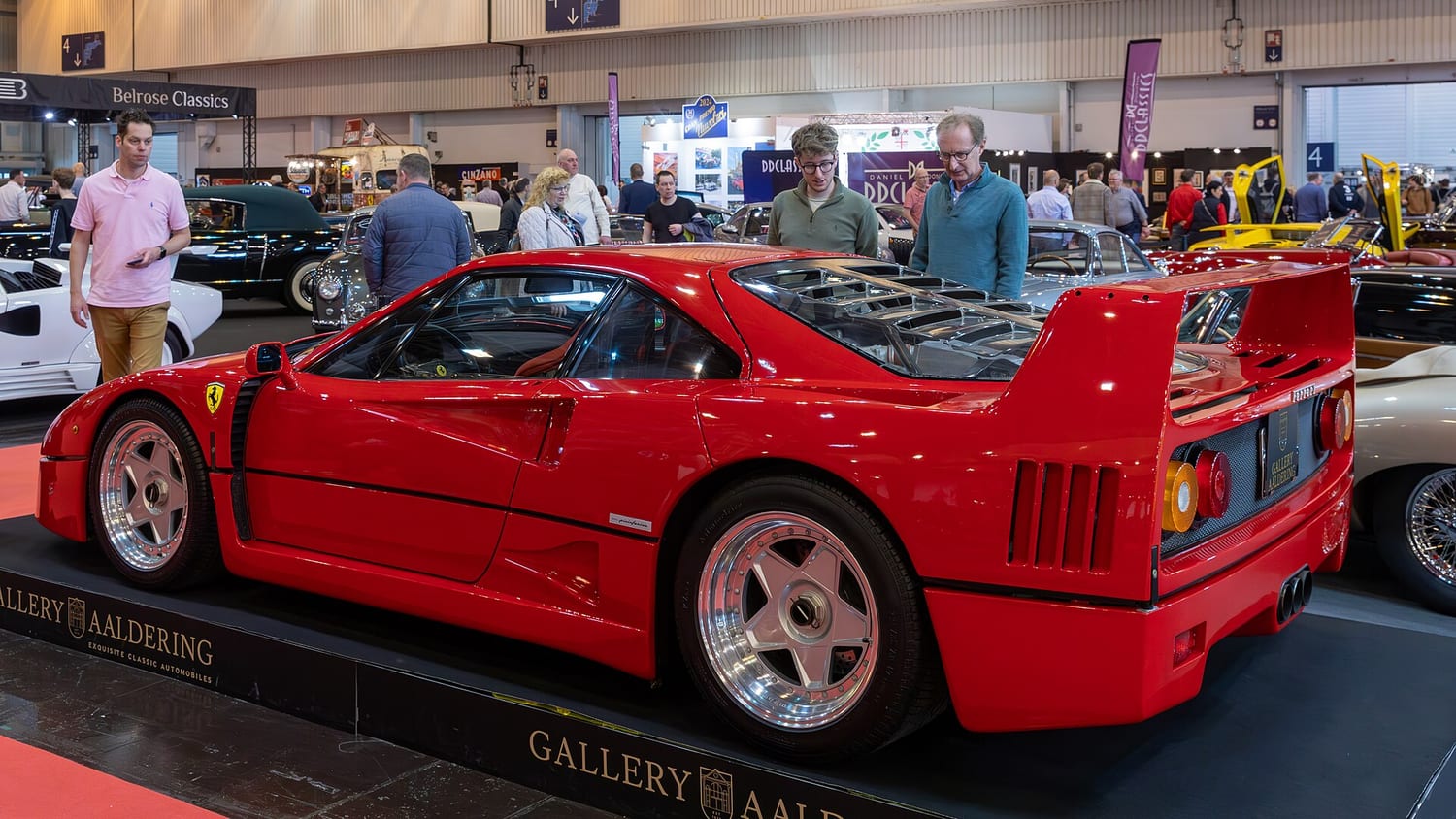
Low production numbers matter, but only when demand outstrips supply. Ferrari built roughly 1,300 examples of the F40, depending on the source, and demand for it has been strong for decades. A car limited to a few hundred is not collectible just because it is limited: someone has to want it. Ask how many were built, how many survive and how many are on the market in a typical year.
Significance
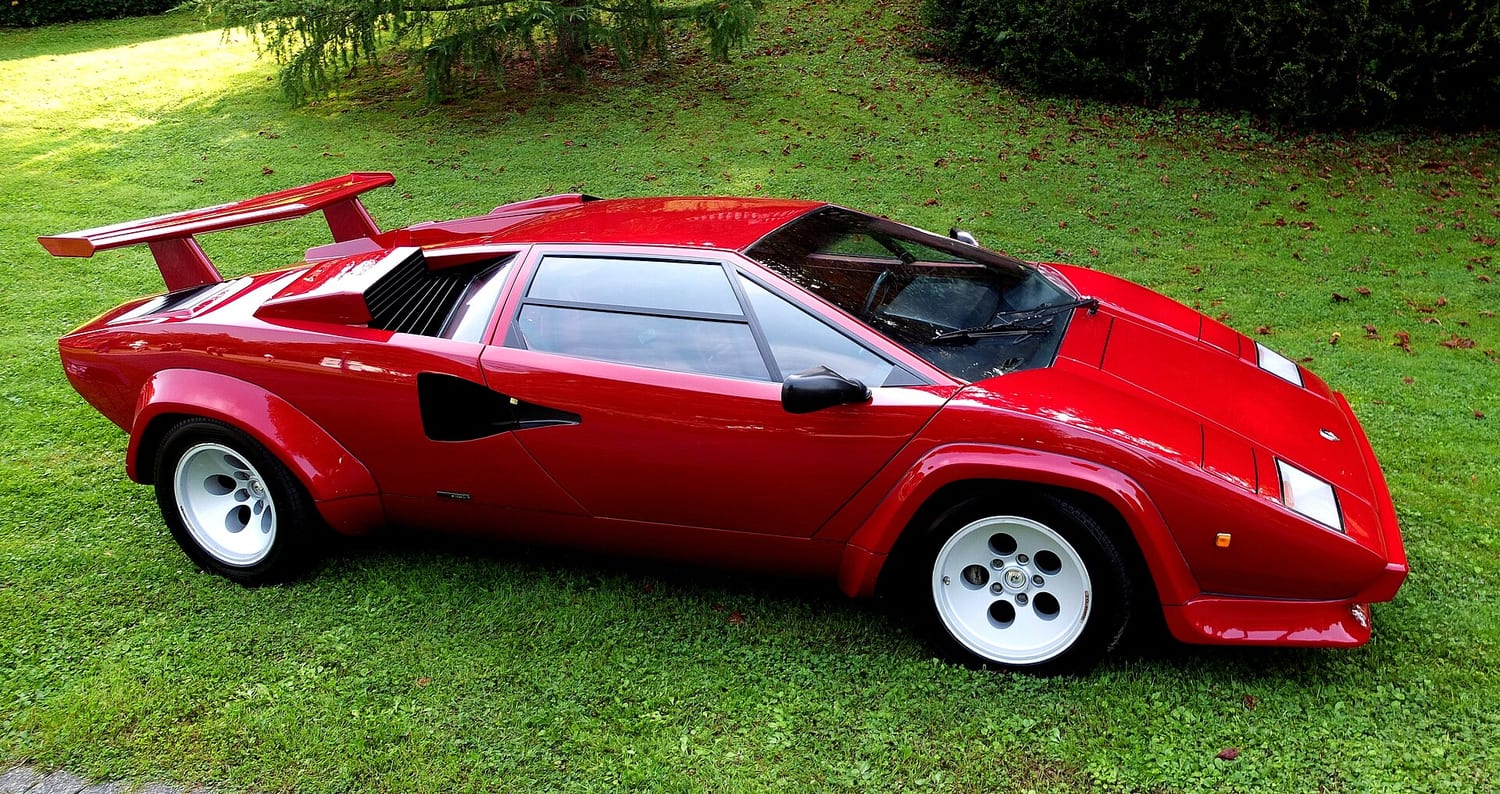
The cars people chase tend to mark a moment. The first of a type, the last of a type, a technical leap, a racing link or a design that defined an era all give a car a story that survives its price tag. The F40 was the last Ferrari approved by Enzo Ferrari himself, and the Countach defined the wedge supercar for a generation. A car with no story other than its power figures has less to fall back on when fashions change.
Specification
Within a model, some versions are worth far more than others. The factory colour, a manual gearbox where an automated one was also offered, a rare option or a special series can all change the price by a large margin. Do your homework on which specification the market prefers, and be careful about cars that have been changed from how they left the factory.
Mileage and Condition
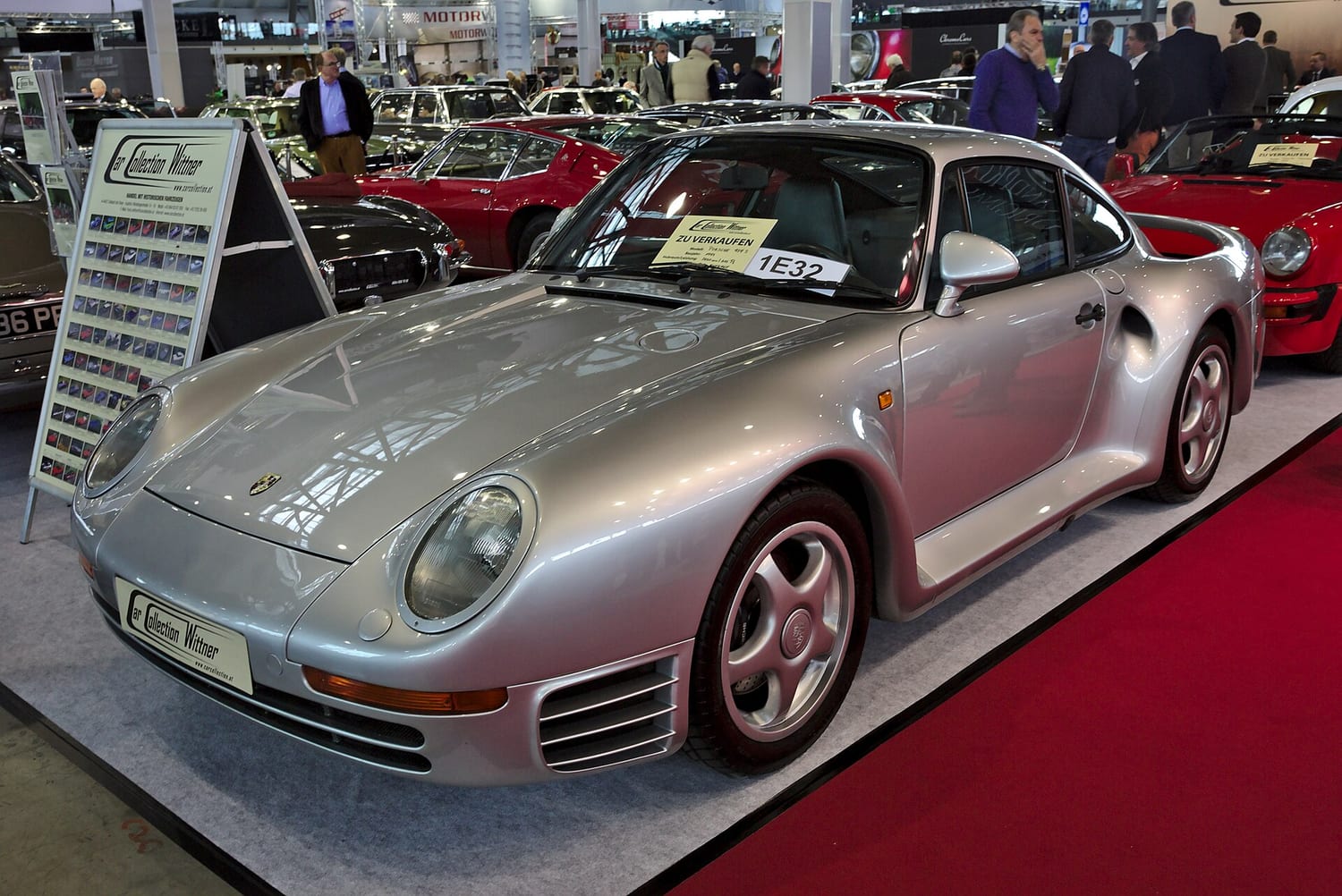
Low mileage is valuable, but only up to a point. A car with a few hundred kilometres that has stood unused for years may need an expensive recommissioning, and some parts, particularly rubber, hoses and fluids, age on a calendar rather than on mileage. A well-used car with a complete service history from a recognised specialist can be a better buy than a pristine one with no record of how it was kept.
History and Documentation
Provenance is what ties it all together. Service invoices, original purchase documents, ownership history, build records and a clear title all support the price. For several marques, the maker's own department can certify originality, which we describe in more detail in a separate post on factory certificates. A car that arrives with its papers in order is worth more, and sells more easily, than one with gaps.
Condition of the Market
Markets move. Some segments have risen sharply and then levelled off, and an expensive purchase at the peak can be a long wait. Treat any car as something you will enjoy owning, not only as a number that is expected to rise. If it appreciates, that is a bonus. If it does not, you should still want the car.
Questions Worth Asking
- How many were built and how many are on the market?
- What makes this particular car or version special?
- Is the specification the one collectors want?
- Is the history documented, with invoices and certificates?
- What will it cost to keep it in good condition?
Our own pieces on the right price and on valuation reports and appraisals help with the money side. When you are ready to look, watch the classic cars and supercars page and the live auctions.
Photo credit: Matti Blume (CC BY-SA 4.0), Palauenc05 (CC BY-SA 4.0), Alexander Migl (CC BY-SA 4.0)



Comment (00)