




 Fecha:
24 oct., 2026
 Supercars
 Publicado por
Super Admin
Limited editions sell on a number. One of 499, one of 918, one of 600: the figure on a plaque or in a listing carries a lot of weight, and for good reason, because scarcity is part of what makes a supercar collectible. But a number on a plate is a claim, not proof, and the work of a careful buyer is to find out what stands behind it.
What the Number Means
A limited edition number can mean several different things. It may be the individual car's position in a production run, the total number of cars the maker said it would build or a mark of a special version within a larger model. Ask which it is, because they are not the same. A car numbered 37 of 499 and a car that is "limited to 499" tell you different things about one specific example.
Some Reference Numbers
The figures people quote most often come with their own caveats.
The hypercar benchmarks
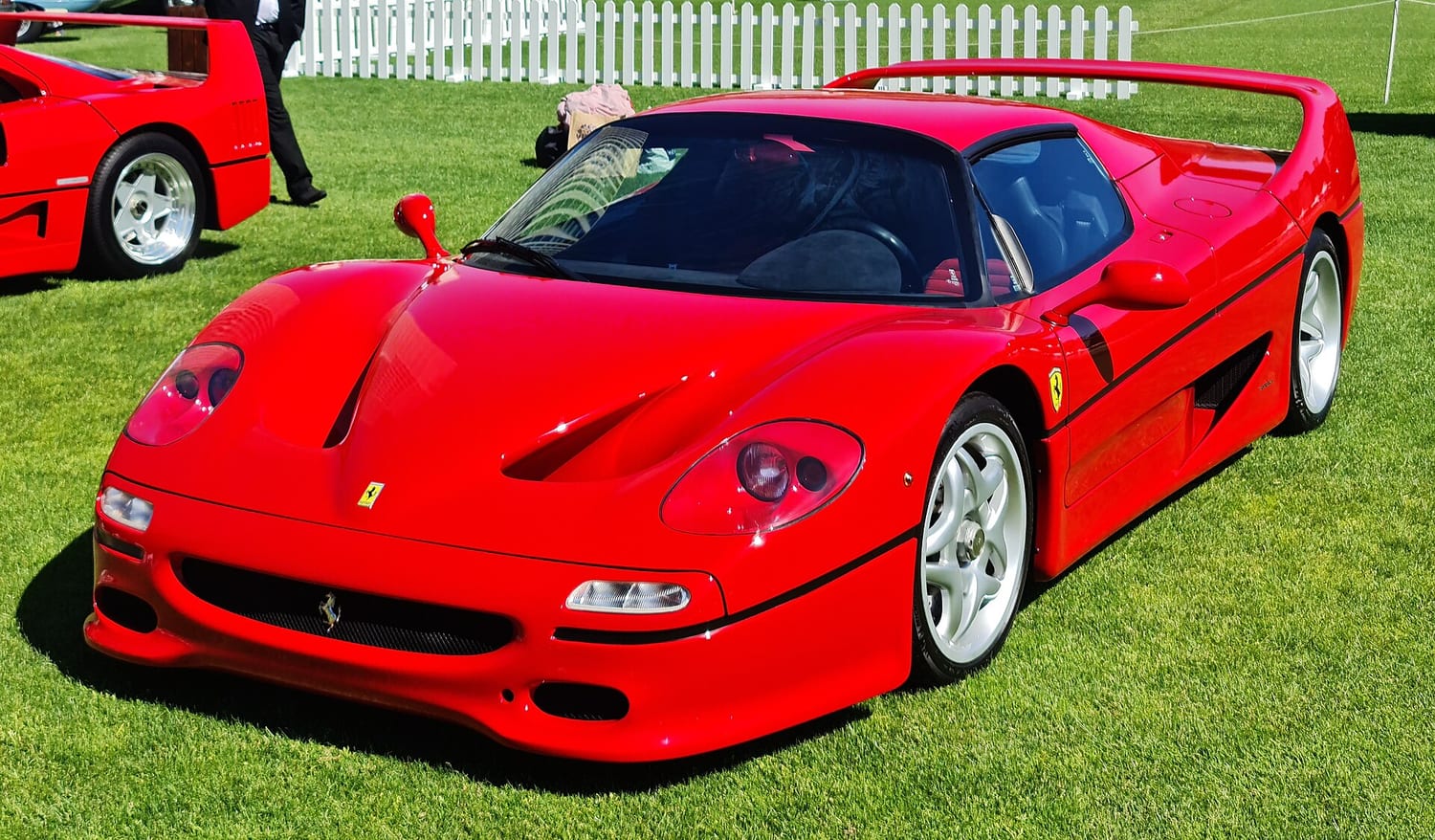
The McLaren P1 was limited to 375 cars, the Ferrari LaFerrari to 499 and the Porsche 918 Spyder to 918.
Special homologation versions
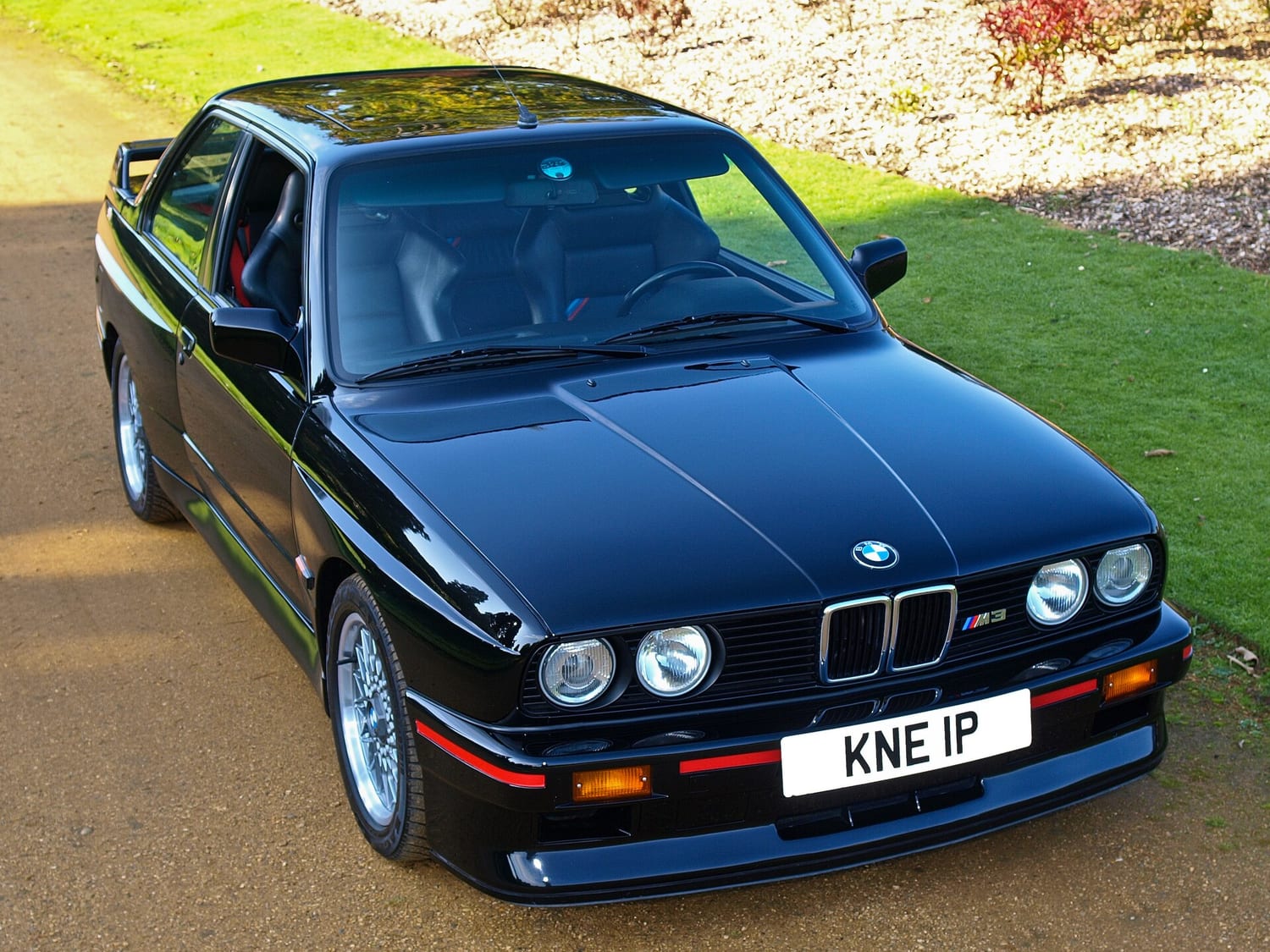
The BMW E30 M3 Sport Evolution was limited to 600 cars, divided between customer race chassis and production cars according to one auction house.
Production totals that differ by source
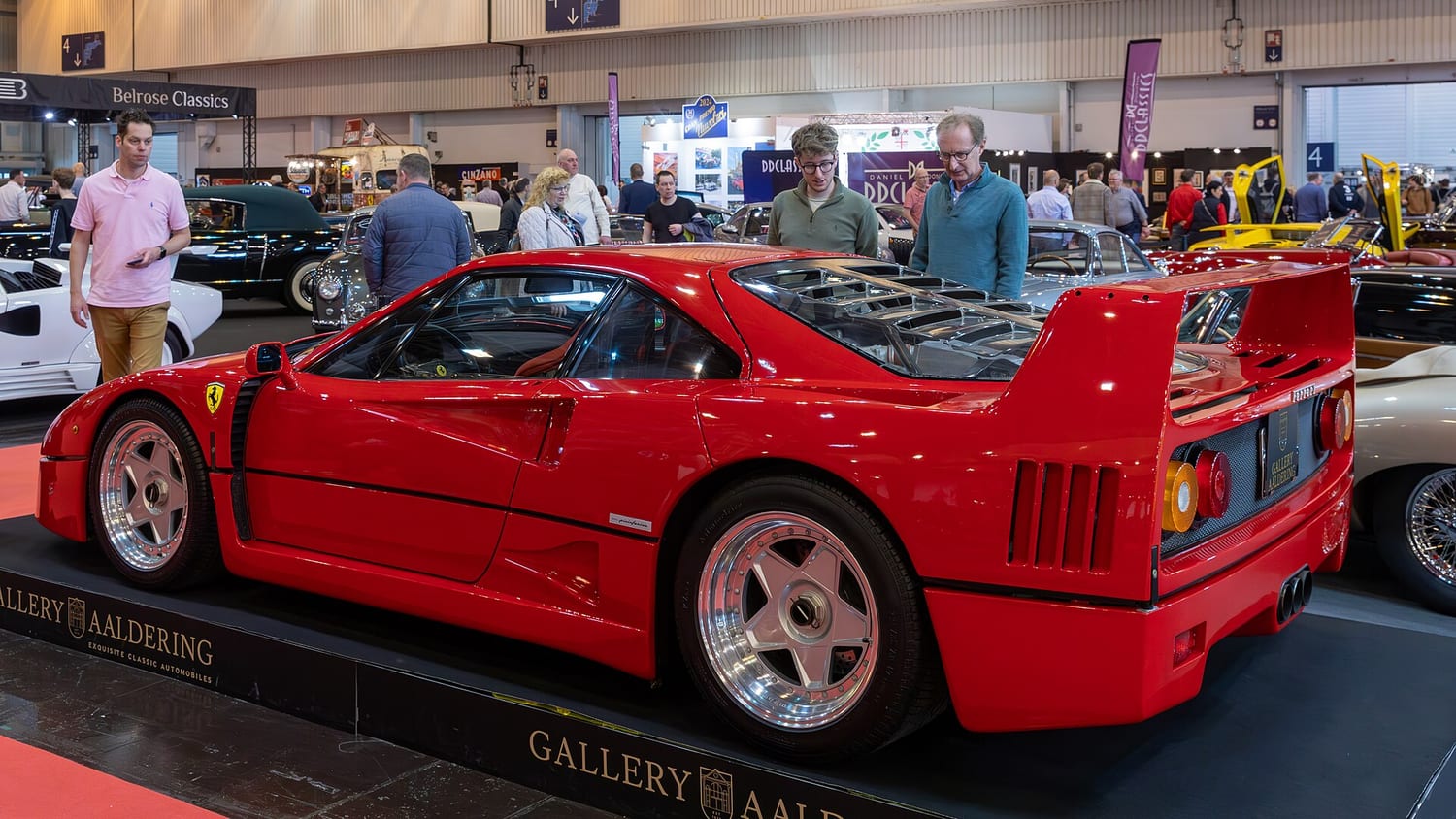
The Ferrari F40 is given as 1,311 or 1,315, and the Porsche 959 as anywhere from 283 to 292. When sources differ, ask the seller which one they are using and why.
Where the Number Appears
Numbers can appear on a plaque in the cabin or engine bay, on the build plate, on a certificate that came with the car and in the maker's records. Check that they agree with each other and with the chassis number on the car. A plaque is easier to fake or replace than a stamping or a factory record.
How to Verify
The best check is the maker. Ferrari Classiche, Porsche's Certificate of Authenticity and Lamborghini's Polo Storico can all confirm details for their cars, and we describe what each certifies in our post on factory certificates. For other makes, ask the manufacturer's heritage department, a recognised marque specialist or the owners' club registry, and compare against the car's chassis number.
Specification Within a Limited Run
Even within a limited edition, cars differ. Colour, options and the order in which they were built can all affect value, and some buyers care a great deal about the early or the final numbers of a run. Ask what is special about the particular car, not just the edition.
When a Plaque and a Story Disagree
Plaques get replaced during restorations, repaints and repairs, and a replaced plaque is not a sign of anything sinister on its own. What matters is whether the replacement is documented and whether the number agrees with the chassis number and the maker's records. Ask for the delivery documents too: the original dealer, the first owner and the date of registration all help to show that the car and its number belong together.
Be careful with stories that are too neat. A claim that a car is the first, the last or the only one in a particular colour deserves a document, not a sentence in a listing. If the seller cannot show one, treat it as unproven and price the car accordingly.
Read the Paperwork Behind the Plaque
The numbers are only as good as the paperwork. Ask for the original documents, the service history and any certificates, and compare them against the car. Our guides on frame and engine numbers and on proof of ownership show what a buyer should see. When you find a car whose number and papers agree, you will see it among our classic cars and supercars, and in the live auctions.
Photo credit: DeFacto (CC BY-SA 4.0), Darren (CC BY 2.0), MrWalkr (CC BY-SA 4.0)





Comment (00)