




 Fecha:
24 oct., 2026
 Classic Cars
 Publicado por
Super Admin
The best first classic car is not the most valuable or the most exciting. It is the one with plentiful parts, a helpful club, simple mechanics and enough sold new that good examples still turn up for sensible money. Here are five that tick those boxes, with the one thing each of them punishes you for ignoring.
What Makes a Good First Classic
Look for large production numbers, because they mean a deep supply of parts and knowledge. Look for simple engineering that a local garage can service. And look for an owners' club, because the people in it have already made every mistake you are about to make. Then set a budget that includes the purchase price and the first year of fixing what the previous owner left.
Five to Consider
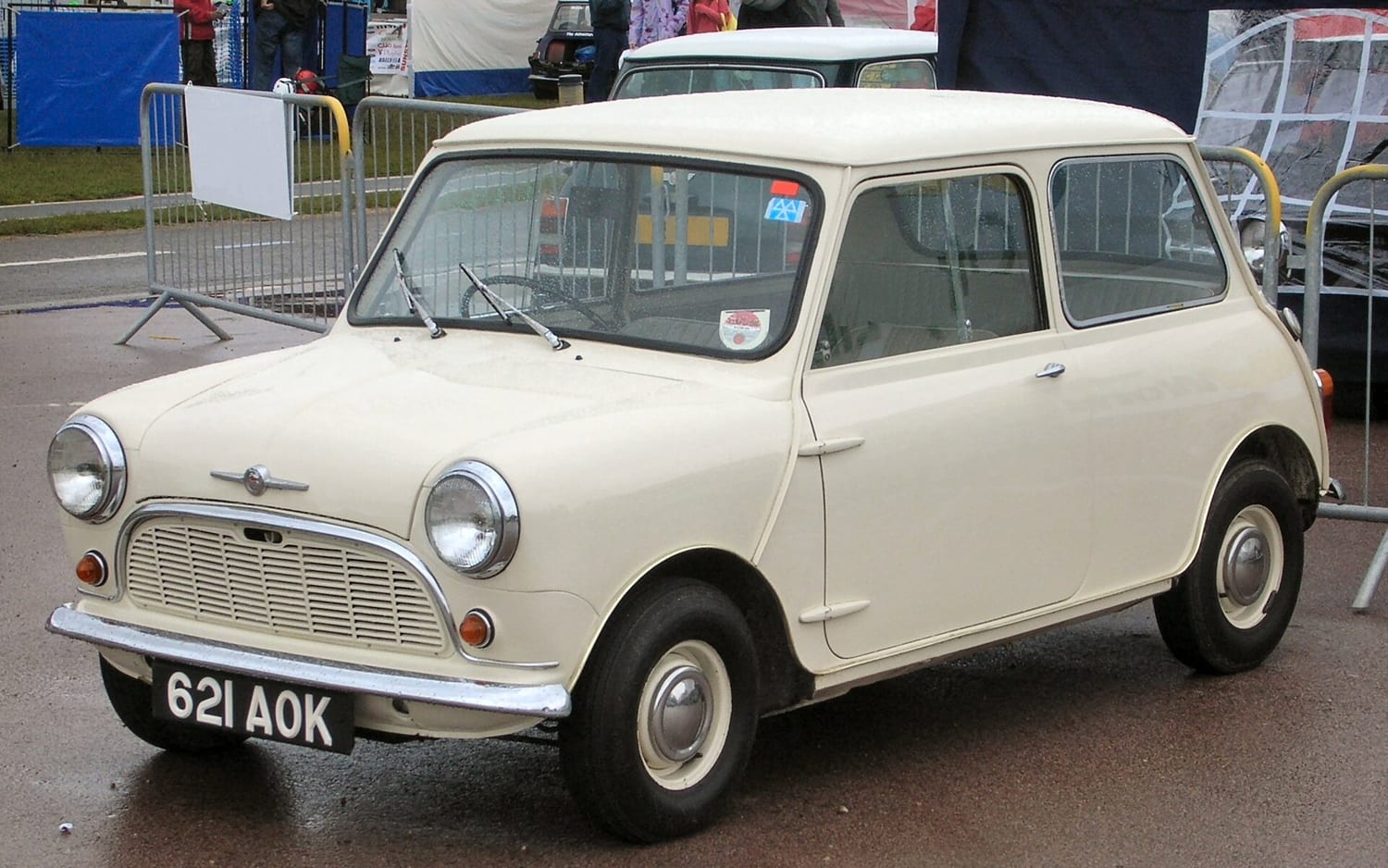
Classic Mini
Built from 1959 to 2000, the Mini was made in the millions and is supported by a huge parts industry. It is small, light and fun to drive. Check the sills, the front and rear subframes and the panels around the front screen, because rust takes hold in all of them.
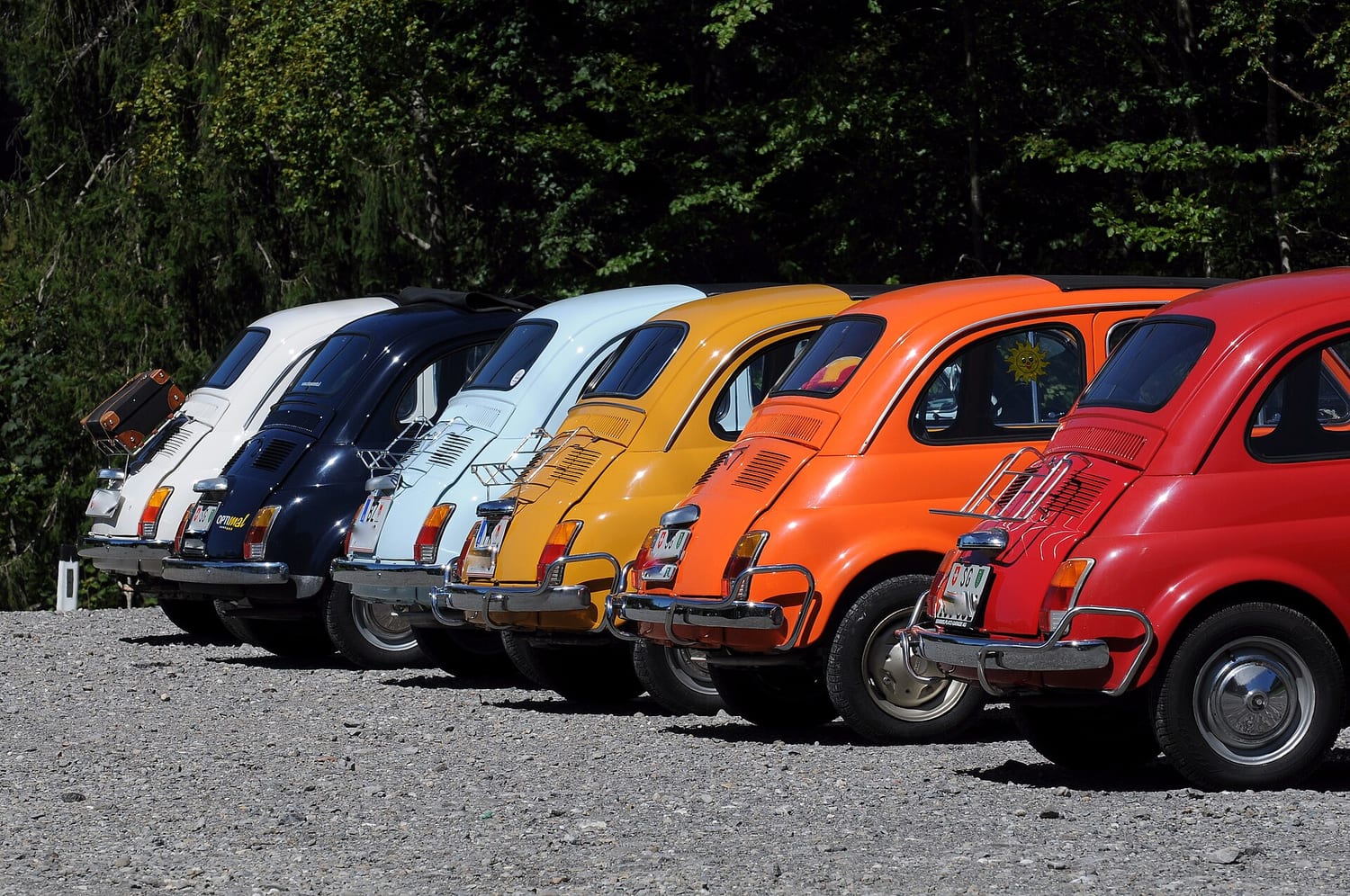
Fiat 500
The little Italian city car, built from 1957 to 1975, with sources quoting somewhere between 3.4 and nearly 4 million made. It is simple, cheap to run and a joy in town. Check the floors, the sills and the front panel for rust, and make sure the tiny air-cooled engine starts and runs cleanly.
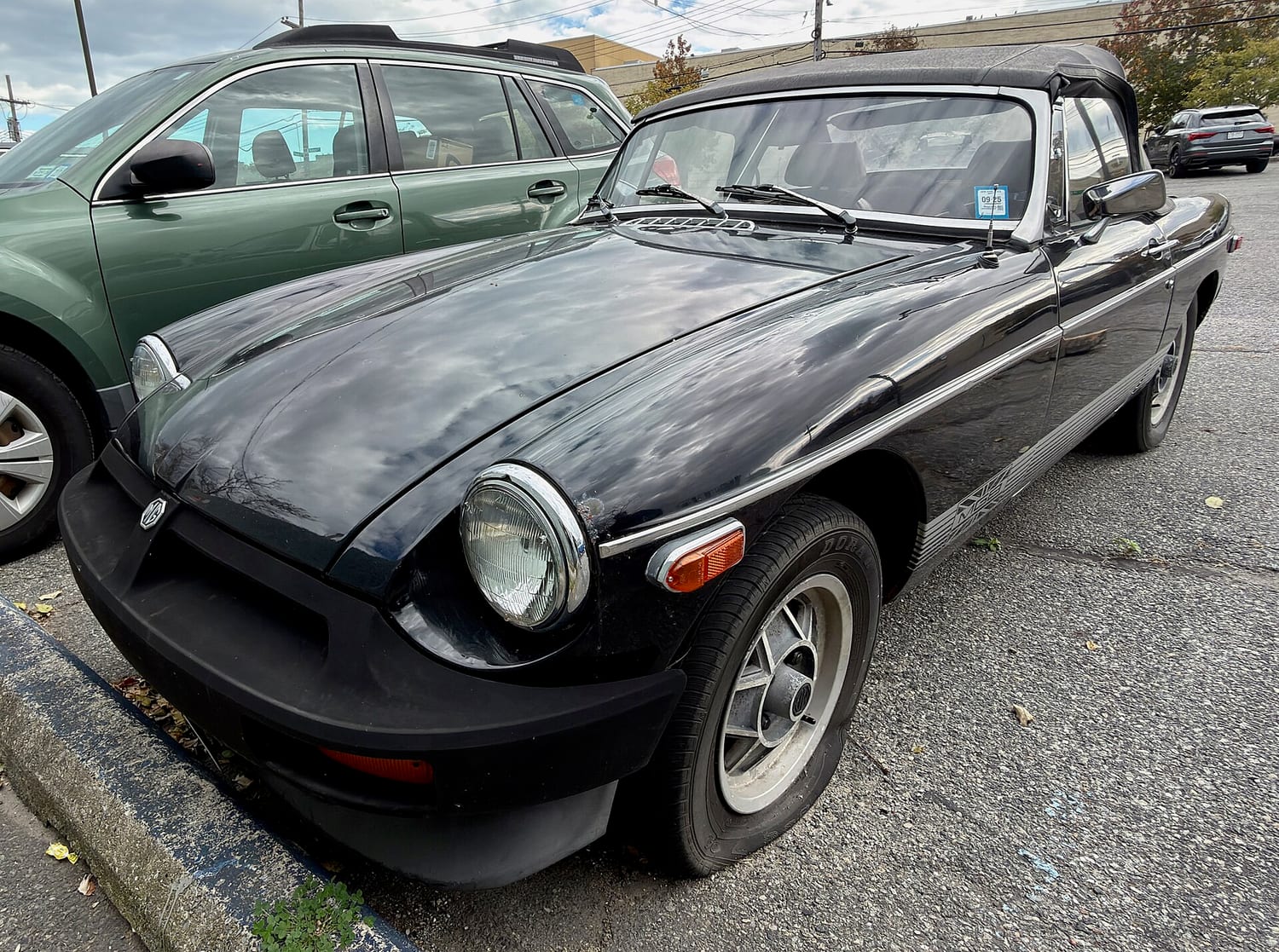
MGB
Built from 1962 to 1980, the MGB sold in large numbers and is one of the best-supported classic sports cars. It has a sturdy mechanical layout. The sills are structural, so check them and the area around the rear wheel arches carefully, and look for evidence that any rust repair was done properly.
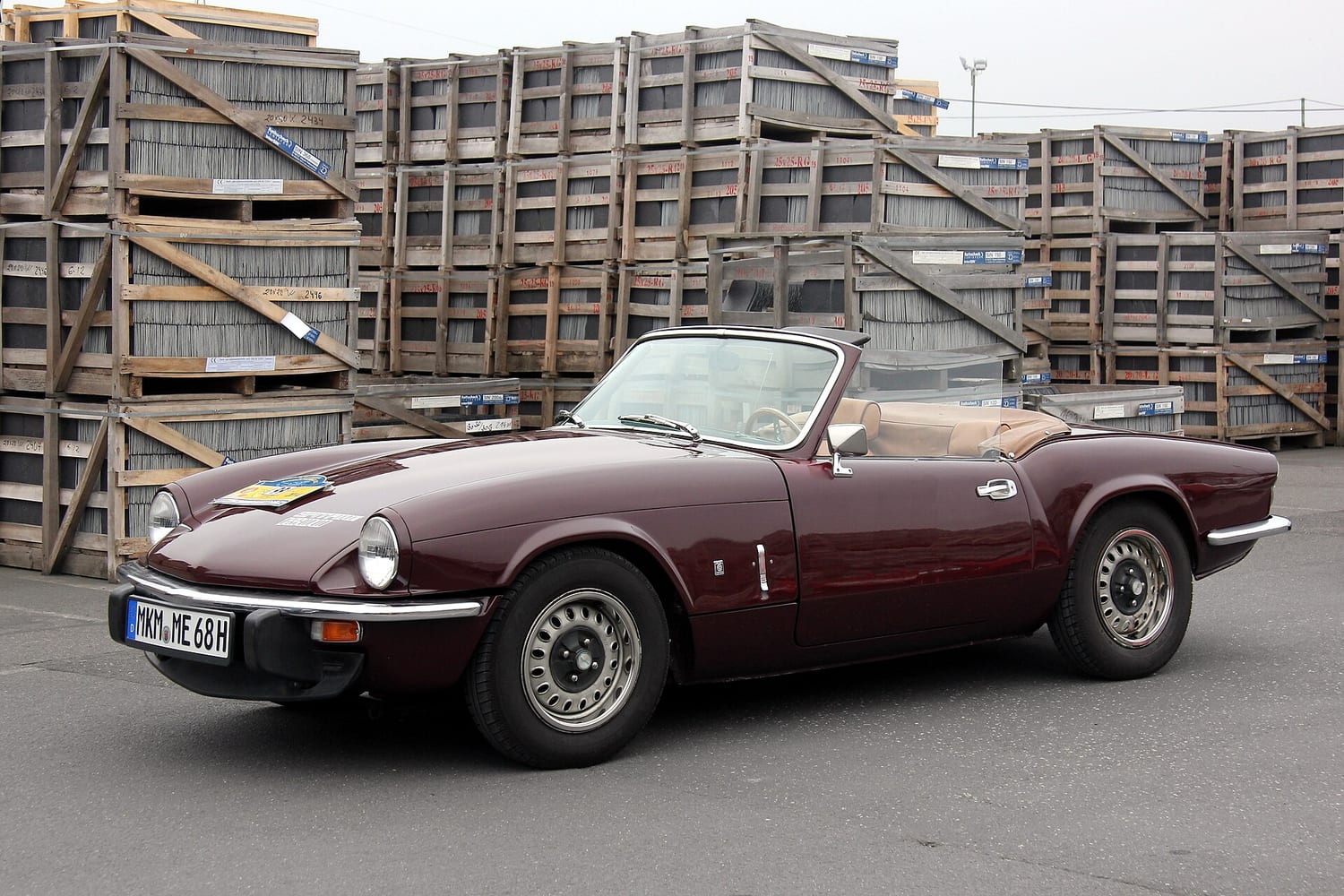
Triumph Spitfire
Production ran from 1962 to 1980 and totalled roughly 315,000 cars, depending on the source. The Spitfire has a separate chassis, which is easy to work on and easy to restore, though a rotted chassis is an expensive problem. Check the chassis rails and outriggers, and the condition of the body panels where they meet it.
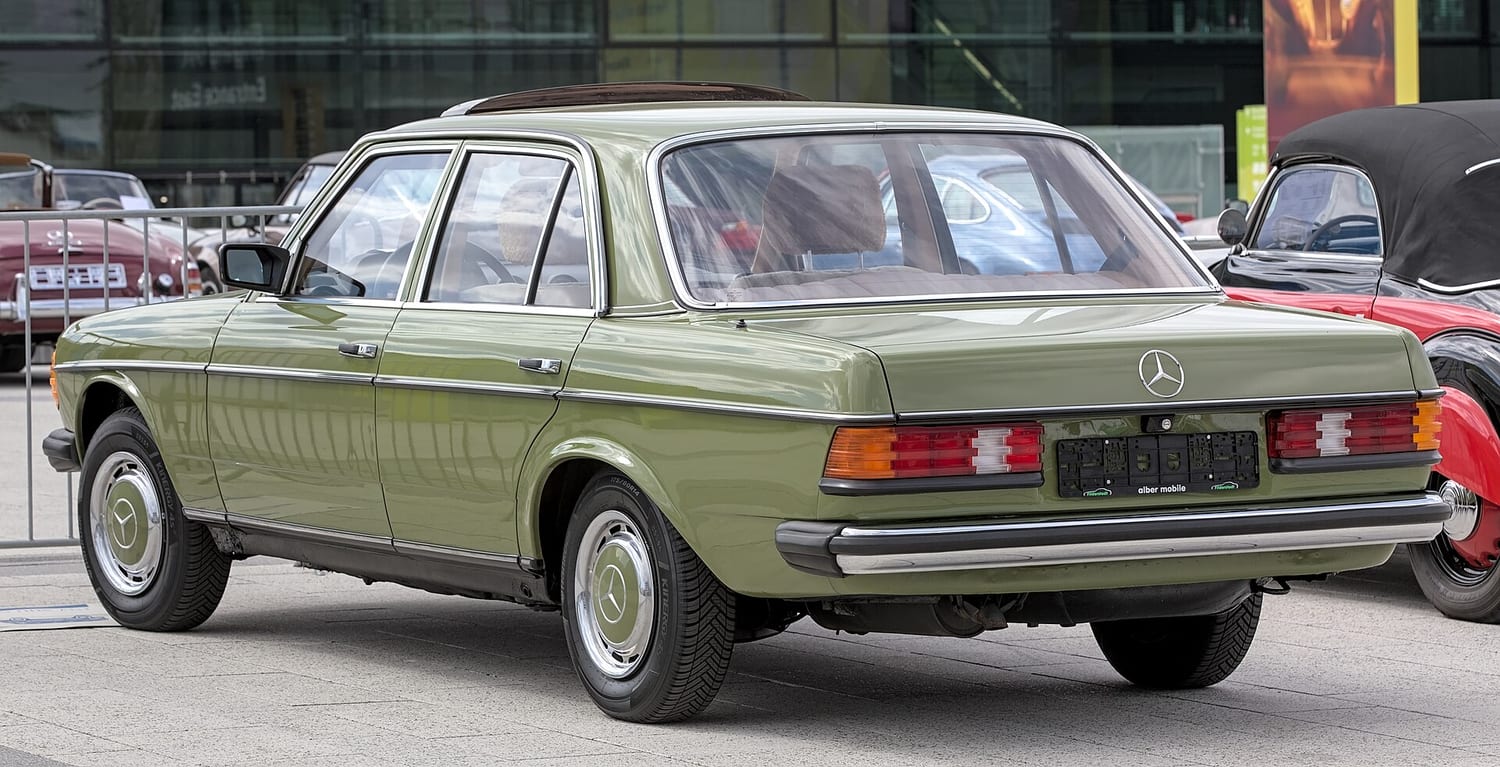
Mercedes-Benz W123
Built from 1976 to 1985, with about 2.7 million made, this is the sensible choice. Many were used as taxis, and their reputation for long life is well earned. Check the sills, the wheel arches and the boot floor for rust, and look for a service history, because a neglected one costs more than a cared-for one.
How to Compare Them
Drive a few of each if you can. A Mini and a Fiat 500 are small, noisy and lively. An MGB and a Spitfire are open, quick to respond and weather dependent. The W123 is calm, solid and comfortable. The right choice depends less on a spec sheet than on how the car feels to you on an ordinary road.
Budget for the First Year
Whatever you buy, expect to spend something on it in the first twelve months. Tyres, brake fluid, a full service and the small things the previous owner lived with all add up, and a cheap car with a long list of jobs is rarely cheaper than a better one. Set aside a reserve that you do not touch for the purchase itself, and use it for the first year of care.
Join the owners' club before you buy, if you can. Members know which cars are good, which dealers are honest and where the best parts come from, and many clubs offer a pre-purchase inspection by someone who knows the model.
What to Do Before You Bid
Whichever you choose, work through a checklist. Our classic car buying checklist puts rust first and everything else after it, and our guide to the pre-purchase inspection shows when to bring in a specialist. Then browse the classic cars and see what is on offer in the live auctions.
Photo credit: Alexander Migl (CC BY-SA 4.0), DeFacto (CC BY-SA 2.5), böhringer friedrich (CC BY-SA 2.5), Oleg Yunakov (CC BY-SA 4.0), Lothar Spurzem (CC BY-SA 2.0 de)




Comment (00)