




 Date:
24 Oct, 2026
 Supercars
 Posted by
Super Admin
Ask a collector which supercars matter most and the answers cluster in a surprisingly narrow window. The cars of the late 1980s and early 1990s were the last built before computers took over the driving experience, and the first to chase numbers that had been out of reach. They were loud, difficult and glorious, and they have aged into the cars the market now prizes.
Why This Era
These cars combined new materials and turbocharging with an old-fashioned directness. There were few electronic aids, and the drivers had to work for the speed. They also arrived in small numbers, and the surviving cars now belong to the first generation of true collector supercars.
The Cars
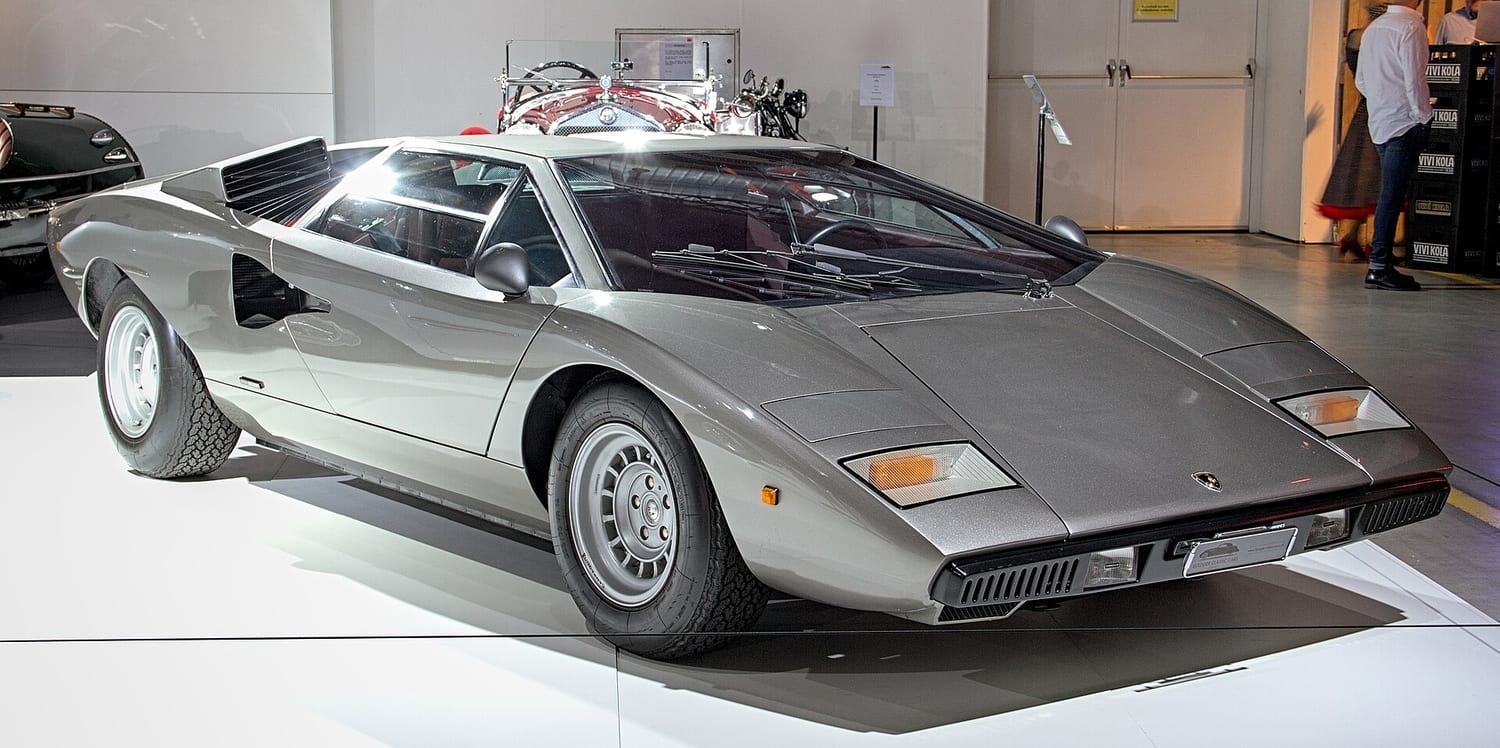
Lamborghini Countach
Built from 1974 to 1990, the Countach defined the wedge shape. Sources give a total of roughly 2,000 cars, with figures between 1,983 and 1,999 depending on how some versions are counted. The later Quattrovalvole models, which came in the mid-1980s, are among the most valued.
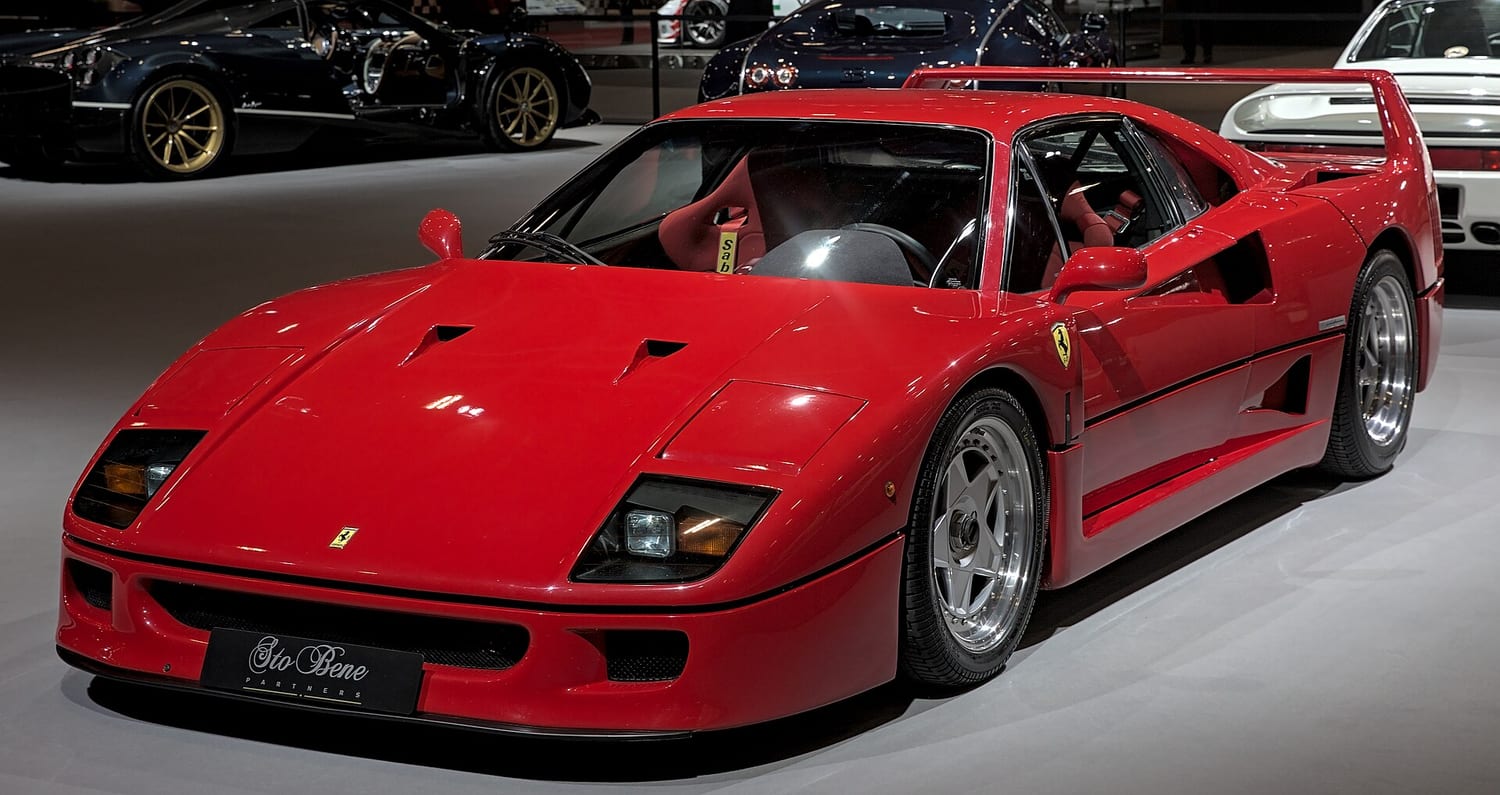
Ferrari F40
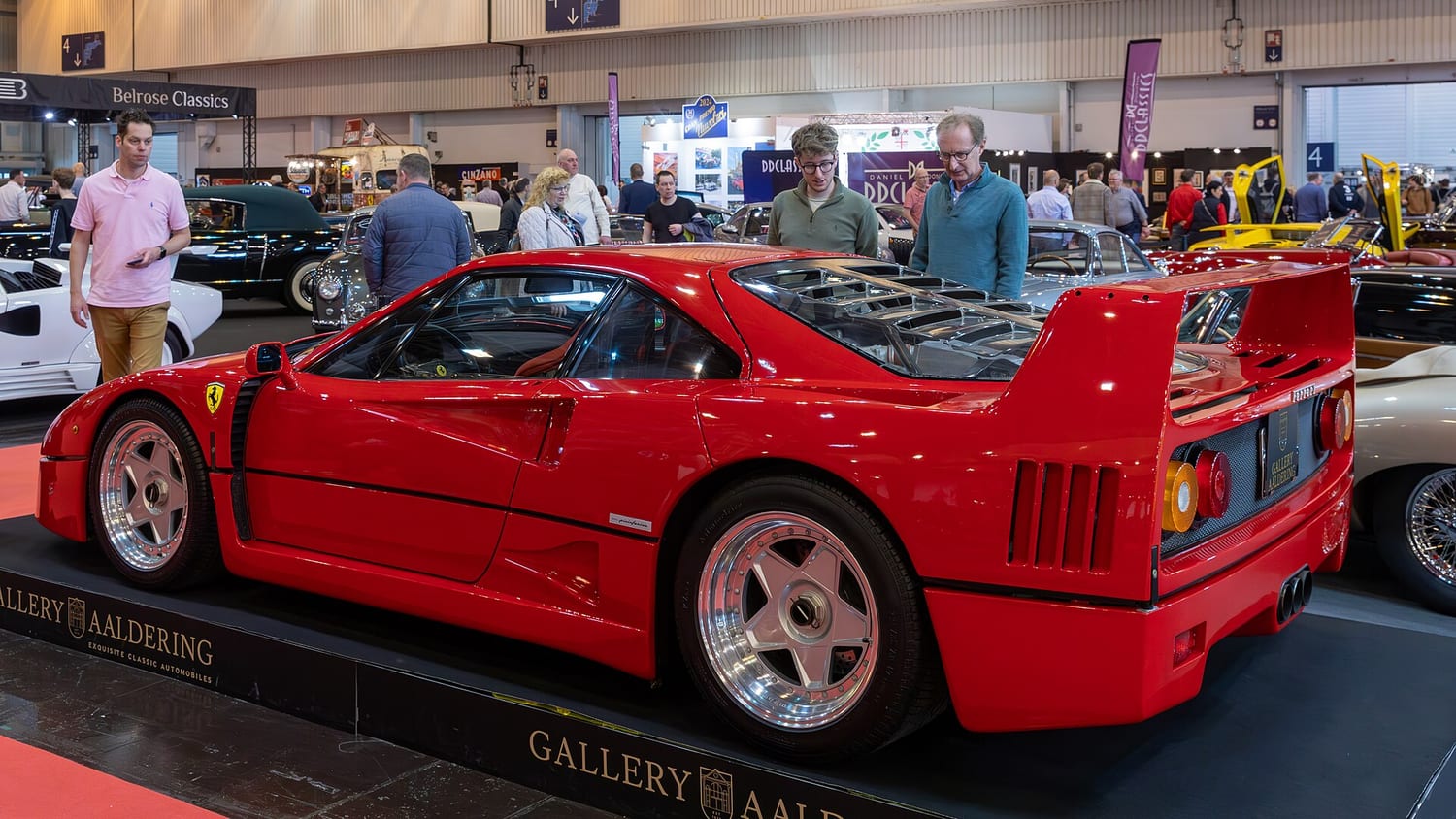
Built between 1987 and 1992 with a twin-turbo 2.9-litre V8 rated at about 478 PS (the US version is listed slightly higher), the F40 is the car many people think of first. Production is quoted at 1,311 or 1,315 cars depending on the source, and its top speed was claimed at around 324 km/h, about 201 mph.
Porsche 959
Porsche's technology showcase, with a twin-turbo flat-six making around 450 PS and an all-wheel-drive system that could vary the torque between the axles. A rally version took first and second place in the 1986 Paris-Dakar Rally. Production figures for the road car vary between 283 and 292 depending on the source.
Jaguar XJ220
Jaguar originally planned 350 cars. Demand fell during the early-1990s recession, and the company built fewer than planned, with sources suggesting roughly 275 to 281 in total.
Bugatti EB110
The car that revived the Bugatti name in the 1990s. One museum account says that 126 were produced.
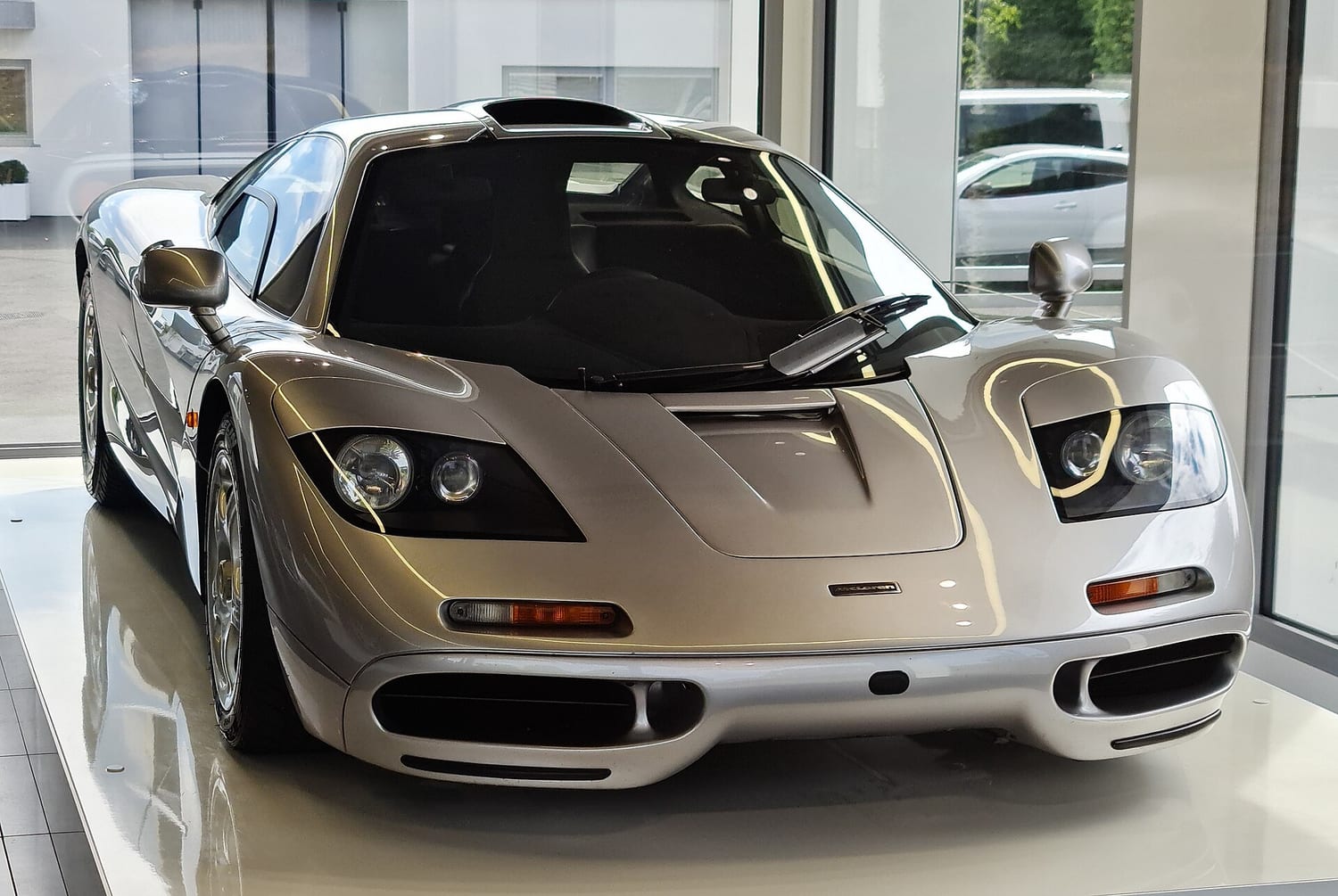
McLaren F1
A three-seat car powered by a BMW V12, with most sources giving a production of 106 cars. A prototype set a top speed record of 240.1 mph in March 1998 that stood for years among production cars.
Why Numbers Differ
You will notice that the production figures above are given as ranges. They differ because sources count prototypes, racing versions and cars completed after the official end of production in different ways. When a listing states an exact number, ask where it comes from, and treat a single source with some caution.
Prices and the Market Today
The best examples of these cars have climbed strongly over the past decade, and records at the top end make headlines. The headlines are not the market. Prices vary widely with condition, mileage, originality and history, and two cars of the same model can sit a long way apart. Look at sales of cars like the one you are considering, and treat a record as the price of one exceptional car on one day.
These cars are also demanding to drive. They have heavy controls, few driver aids and a character that rewards care and respect. That is part of the appeal, and part of the reason that a good one is worth a careful inspection before you bid.
What to Look For When Buying
With cars of this age, history and condition matter as much as the name. Look for a documented service history, a record of any major engine or gearbox work, original specification and as few changes from the factory as possible. Rubber parts, fuel systems and electronics all age with time, so assume some recommissioning cost on any car that has stood. We discuss the wider checks in our post on the right price and in the pre-purchase inspection.
The cars of this generation remain the touchstone for a certain kind of enthusiast, and one is rarely on the market for long. Keep an eye on our classic cars and supercars and the upcoming auctions for the next one to appear.
Photo credit: MrWalkr (CC BY-SA 4.0), Alexander Migl (CC BY-SA 4.0), Alexander-93 (CC BY-SA 4.0)



Comment (00)