




 Date:
24 Oct, 2026
 Supercars
 Posted by
Super Admin
Nobody agrees where the supercar ends and the hypercar begins, and the car magazines do not help by using both words for whatever launched last month. The distinction is not just vocabulary. For a buyer, it signals how many cars exist, how they are built and what it may cost to keep them running years from now.
What a Supercar Is
A supercar is usually described as a street-legal, luxury performance sports car, a step above an ordinary sports car in power, price and exclusivity. The label covers a wide range, from a mid-engined Italian wedge to a modern twin-turbo coupe, and nobody has set a precise boundary.
What Makes It a Hypercar
The term hypercar has been used since the 2000s for the very top of the market. In motoring journalism it is usually reserved for cars built in very small numbers, from a couple of hundred to low four figures, with new prices that often exceed a million euros, dollars or pounds. Technology often plays a part too, from carbon fibre structures to hybrid power.
The Reference Trio
The benchmark for the modern hypercar is the trio of cars that arrived within a few months of each other.
McLaren P1
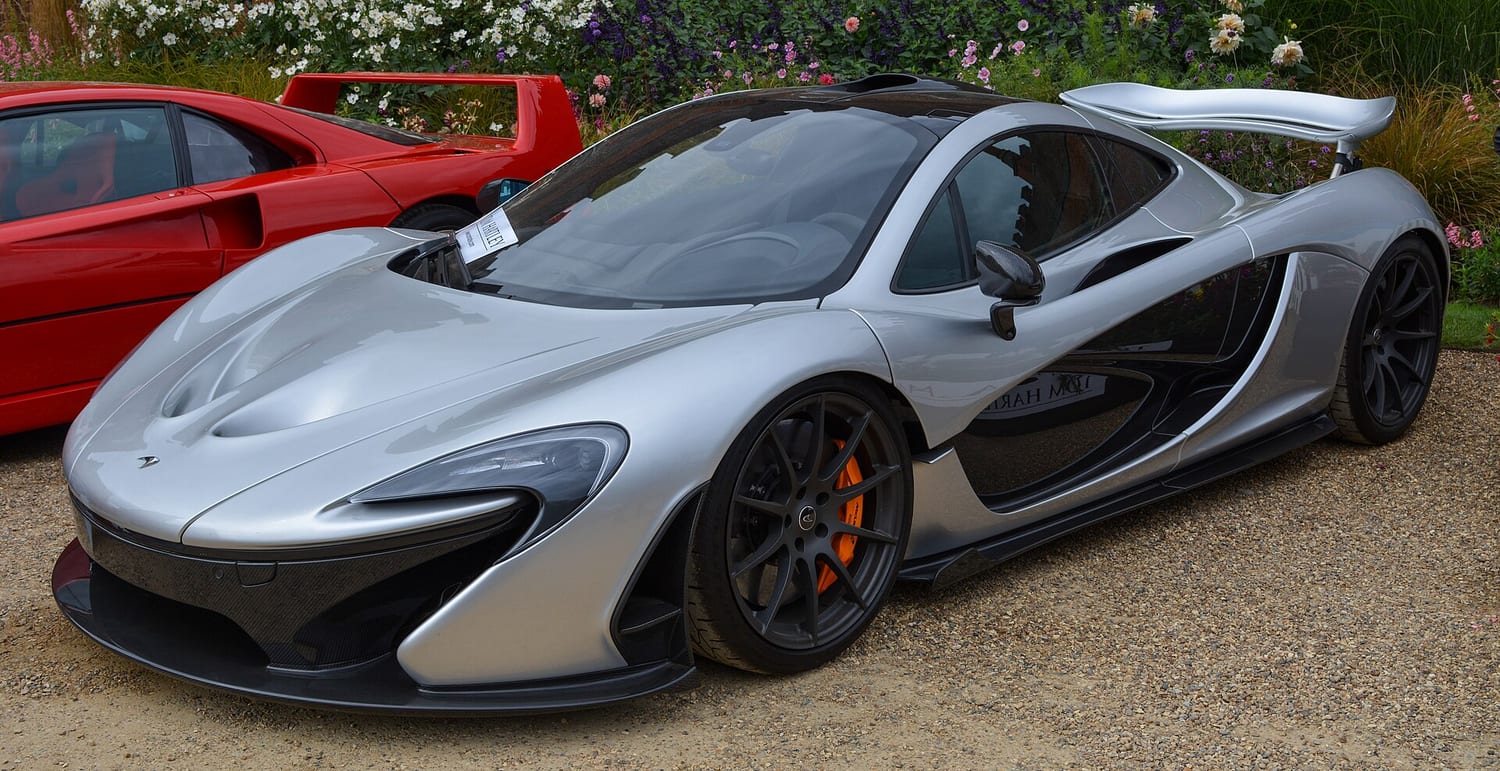
Unveiled in 2013, the P1 was limited to 375 cars, making it the rarest of the three.
Ferrari LaFerrari
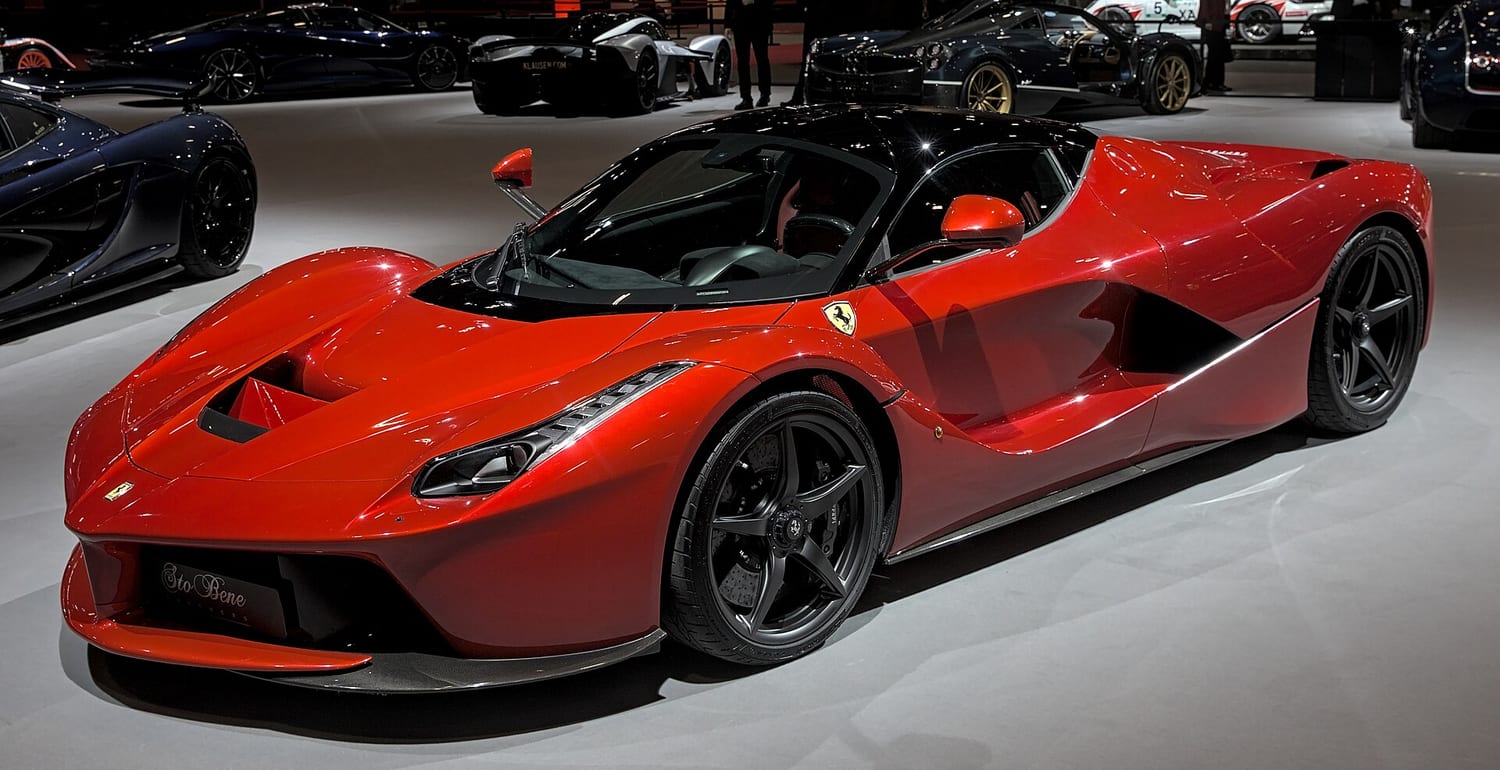
Also introduced in 2013, with a production run of 499 cars.
Porsche 918 Spyder
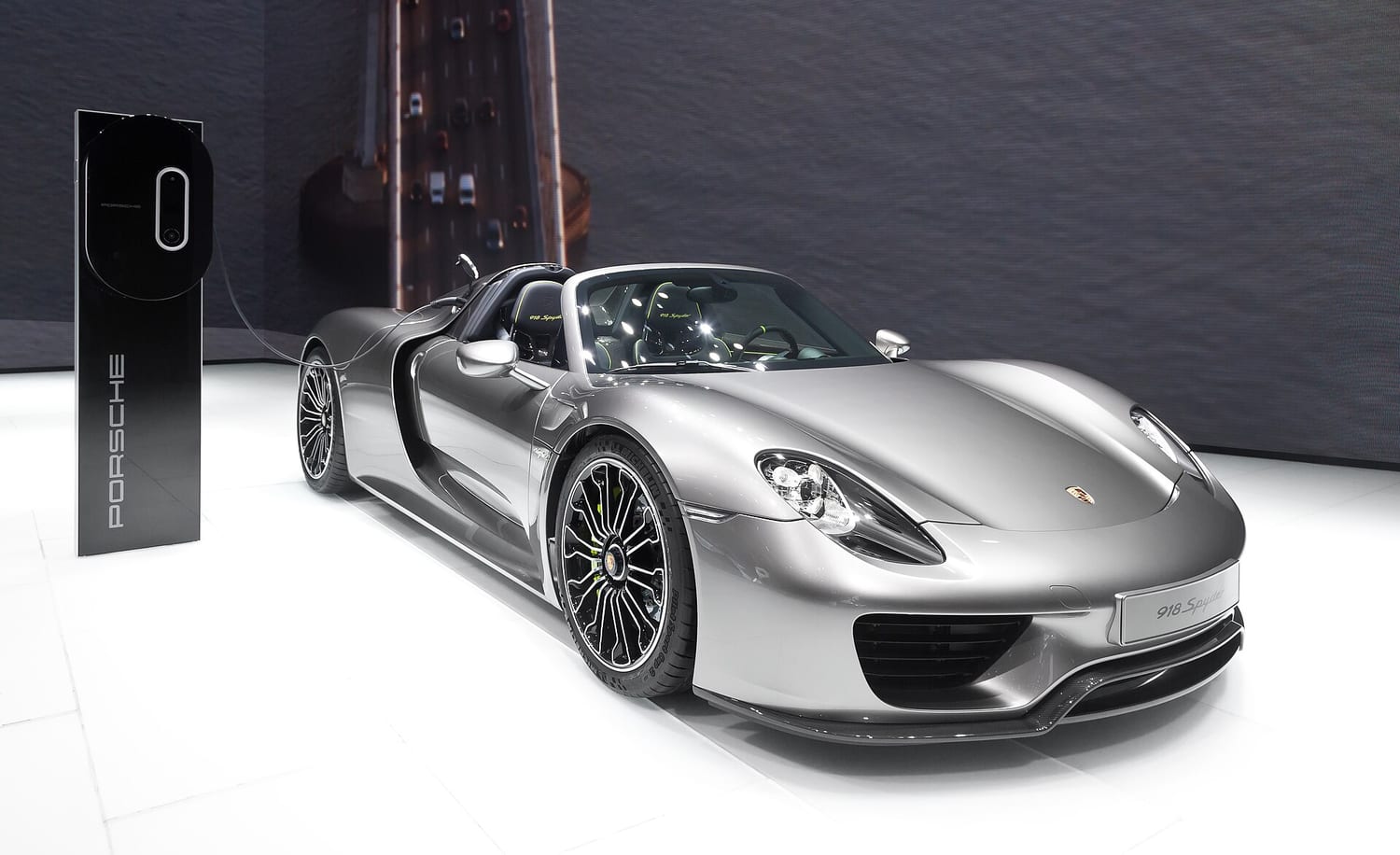
Launched a little later, in early 2014, and limited to 918 cars. Together, the three are often called the holy trinity.
Why the Label Matters to a Buyer
The category tells you about supply. A model built in hundreds will always have a different market from one built in thousands, even if the two cost the same when new. It also tells you about the effort needed to maintain it. Hypercars often use unique components, so parts and expertise are limited to the factory and a few specialists.
The Hybrid Question
Several recent hypercars combine a combustion engine with an electric system. These cars are fast and extraordinary to drive, and they add a question to the ownership equation: how long will the factory support the battery and the electronics, and what will it cost? It is a reasonable question to ask any seller, and a reason to look for cars with a complete service record from the factory network.
Where Hypercars Change Hands
Because so few exist, hypercars rarely appear in open auctions, and many sell privately or through a small number of specialist dealers and auction houses. That makes price discovery thinner than for a mainstream classic: a handful of recent sales can set the whole market, and one unusual car can distort it. Treat any single result with caution, and look at the specification, mileage and history of the cars behind the figures.
The idea is not new. The McLaren F1 of the 1990s, which most sources say was built in a run of 106 cars, is often described as the original hypercar, and it set the template of tiny production, enormous price and engineering that put the car above its rivals.
Where the Line Falls in Practice
If you are choosing between two cars, forget the label and look at the facts: how many were built, how they are regarded, what the car has been through and what it costs to service. The word is a marketing tool, and a good one, but it does not replace the numbers. Our posts on the right price and on valuation reports are a good place to start on the financial side, and you can follow new arrivals on our classic cars and supercars page.
Photo credit: Thomas Wolf , www.foto-tw.de (CC BY-SA 3.0 de), Alexander-93 (CC BY-SA 4.0), Chelsea Jay (CC BY-SA 4.0)



Comment (00)