




 Datum:
24 Okt, 2026
 Supercars
 Veröffentlicht von
Super Admin
For some of the most valuable cars in the world, the final word on authenticity does not come from an expert at an auction house. It comes from the factory. Ferrari, Porsche and Lamborghini each run a heritage department that will check a car against its original records, and a certificate from one of them can change what a car is worth. It also has limits, and it pays to know both.

Why the Makers Offer It
As classic Ferraris, Porsches and Lamborghinis became very valuable, the question of whether a car is what it claims to be became a financial one. The factories hold the build records, the drawings and the people who know. Their certificates give buyers something that neither a seller nor a dealer can, which is an answer from the source.
Ferrari Classiche
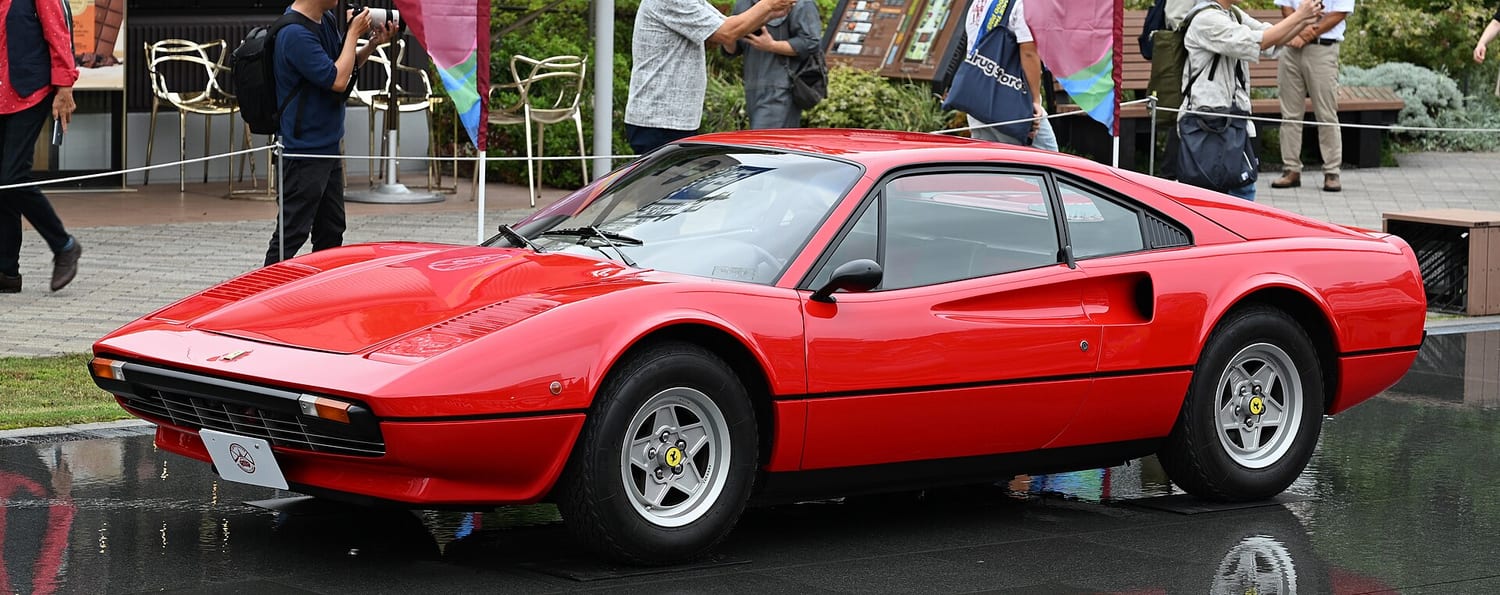
Ferrari Classiche is Ferrari's authentication and restoration programme. Its Red Book is the Certificate of Authenticity. Road cars become eligible once they pass twenty years of age. The certification confirms that the chassis, engine, gearbox, suspension, brakes, bodywork and interior match the original factory specification, and the car must be functioning. It checks originality, not whether the car is in perfect condition.
Classiche also issues other documents for particular cars. The details of each, and of any ongoing requirements, are best checked with Ferrari directly before you rely on them.
Porsche Certificate of Authenticity
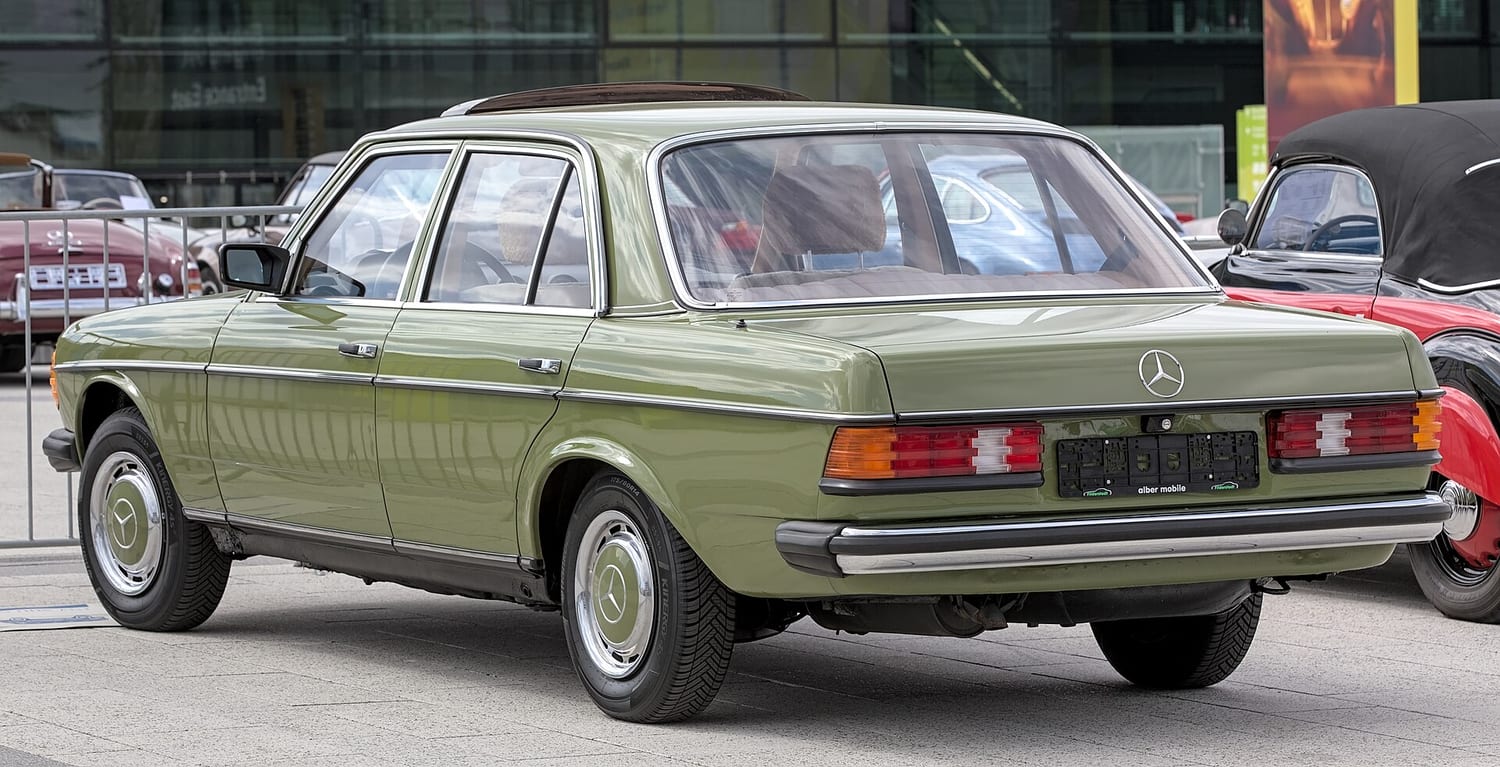
Porsche's Certificate of Authenticity is a factory document that records the original build details of a car, including its options, its production completion date and its original list price. It is useful for confirming that the car's current specification matches what left the factory. Porsche Classic also offers a Technical Certificate through partners, which lists the delivery data and checks the engine and transmission numbers against original records, with a technical inspection and photographs.
Lamborghini Polo Storico
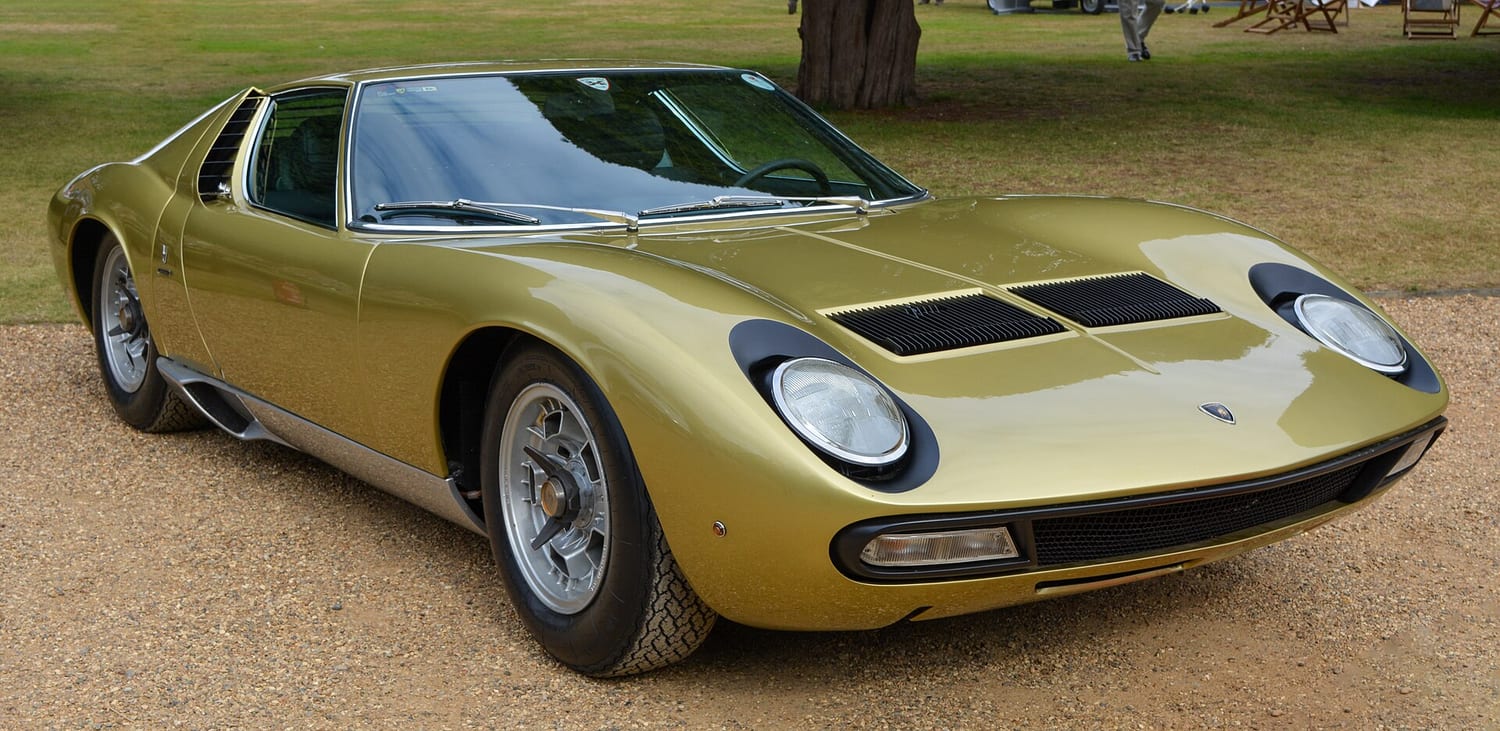
Lamborghini's Polo Storico is the brand's classic department. Its experts compare a car's data, from chassis numbers to bodywork and interior details, against the information held in the historical archive. If the car passes, a certificate of authenticity is issued. If it does not, the discrepancies are documented and the certificate is withheld. Eligibility rules for the programme are set by Lamborghini and may change, so check the current terms.
What a Certificate Does Not Tell You
A certificate says the car is original. It does not say that the car is in good mechanical shape, that it is free from accident damage or that it is priced correctly. A certified car can still need major work, and the cost of that work belongs in your budget. Treat the paper as one important piece of evidence, not as a substitute for inspection.
Costs and Timing
Certification is not instant or free. The process involves an inspection or a document review, and it takes time and money that vary by programme, by car and by country. Ask the maker or an authorised specialist for the current requirements, the fees and the typical waiting time before you rely on a certificate in your plans. If a seller promises that a car will be certified, make that a condition of the deal in writing, not a hope.
How to Use One When You Bid
If a listing mentions a certificate, ask for a clear copy and check that the chassis number matches the car. If there is none, ask whether the car has been through the process or whether the seller would be willing to do so, because a failed or missing certification is information too. For a car that you intend to keep for years, the certificate is part of what you are buying.
The reasoning is the same as in our posts on provenance and paperwork and on matching numbers. When you want to compare cars side by side, our classic cars and supercars page is the place to start.
Photo credit: TTTNIS (CC0), Alexander Migl (CC BY-SA 4.0), Chelsea Jay (CC BY-SA 4.0)





Comment (00)