




 Datum:
4 Aug, 2026
Datum:
4 Aug, 2026 tips and tricks
 Geplaatst door
NielsV
Geplaatst door
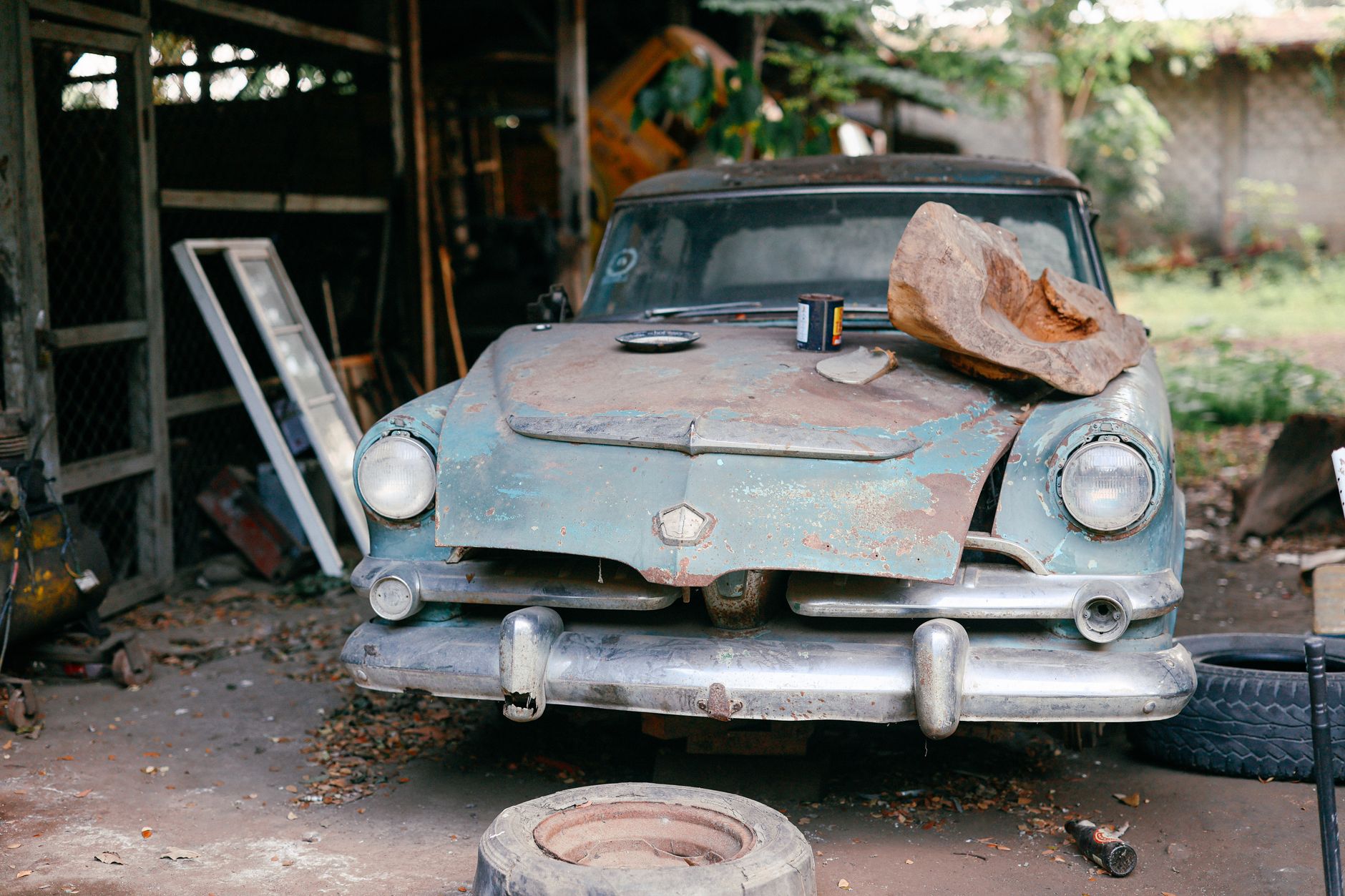
NielsVElke schuurvondst ziet er eerst uit als een ramp voordat hij ergens anders op lijkt. Roest, spinnenwebben, een brandstoftank die meer bezinksel dan brandstof is, en meestal een soort nest in het luchtfilterhuis. Ik begrijp het instinct om daar voorbij te kijken naar de afgewerkte motor die je in je hoofd hebt. De truc is om van het één naar het ander te komen zonder geld, tijd, of de onderdelen van de motor die er echt toe deden te verliezen.
Beoordeel voordat je iets aanraakt
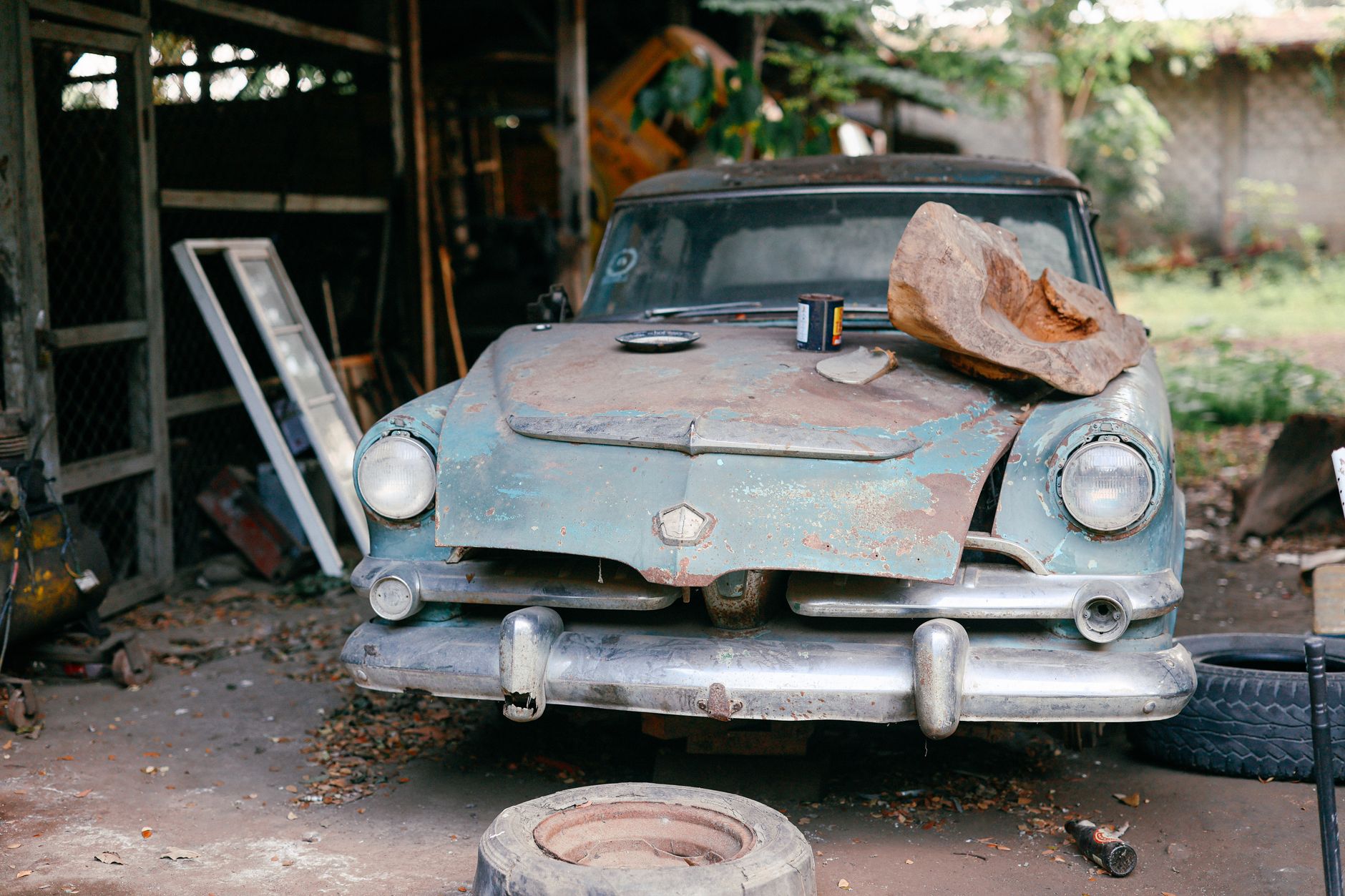
Voordat er ook maar één bout af gaat, loop de hele machine na en schrijf op wat je vindt: roestdiepte, ontbrekende onderdelen, of de motor vrij ronddraait, en alles wat lijkt op eerdere schade door een ongeval. Maak eerst foto's vanuit elke hoek. Je zal jezelf over zes maanden dankbaar zijn wanneer je probeert te onthouden welke beugel waar hoorde.
Strip hem methodisch af, niet allemaal tegelijk
Werk in secties, en zak en label bevestigingsmateriaal terwijl je bezig bent in plaats van alles in één emmer te gooien. Een restauratie die volledig gedemonteerd wordt voordat iemand een onderdelenlijst heeft gemaakt, is hoe projecten jarenlang vastlopen in een hoek van de garage, wachtend tot iemand zich herinnert hoe het weer in elkaar moest.
De stappen die het resultaat echt bepalen
- Laat het motorblok en het frame eerlijk mechanisch inspecteren voordat je ook maar een cent aan cosmetica uitgeeft - een motor die er perfect uitziet en niet goed loopt, is minder waard dan een sjofele die het wel doet.
- Zoek het servicehandboek voor jouw exacte model en bouwjaar op voordat je onderdelen bestelt, want specificaties veranderden vaker binnen productieseries dan de meeste mensen verwachten.
- Begroot het dubbele van je eerste schatting. Bijna elke ervaren restaurateur zegt een variant van hetzelfde, en bijna elke beginner negeert het toch.
- Beslis vroeg of je restaureert voor originaliteit of voor betrouwbaarheid, want de twee doelen trekken bij onderdelenkeuzes soms in verschillende richtingen.
- Bewaar elk bonnetje en elke voortgangsfoto - dit wordt het herkomstdossier dat de waarde van de motor later beschermt.
Weet wanneer je een specialist moet bellen
Cosmetisch werk, algemene mechanische montage, en elektrische probleemoplossing liggen binnen bereik van een geduldige thuisrestaurateur met het juiste handboek. Diep motorwerk, framerichten, en alles met matching numbers of veiligheidskritische onderdelen is meestal het waard om een specialist voor te betalen, want een fout daar kost veel meer om te herstellen dan het zou hebben gekost om het meteen goed te doen.
De laatste tien procent kost de helft van de tijd
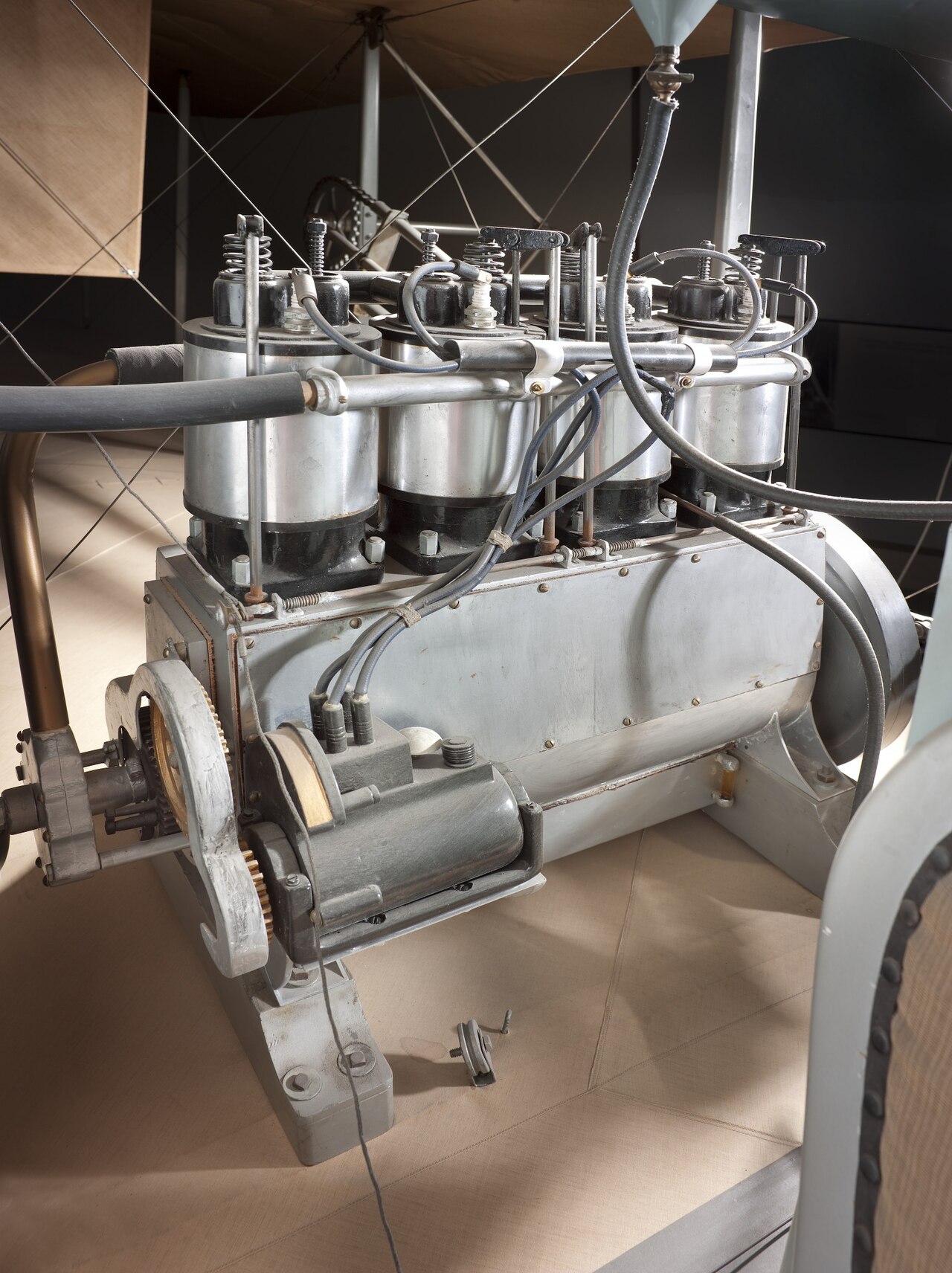
De motor zal er in feite af zijn lang voordat hij dat daadwerkelijk is. Bedradingskwaaltjes, carburateurafstelling, en de tientallen kleine aanpassingen die een restauratie goed laten aanvoelen in plaats van alleen goed laten uitzien, eten meestal veel meer tijd op dan iemand plant. Dat traject is ook waar het verschil ontstaat tussen een gemiddelde restauratie en een oprecht goede, dus het is de moeite waard om de verleiding te weerstaan om het vroeg af te verklaren.
Fotocredit: Wright Company (Dayton, Ohio) (CC0)


.jpg)
Comment (00)