




 Datum:
24 okt., 2026
 Supercars
 Geplaatst door
Super Admin
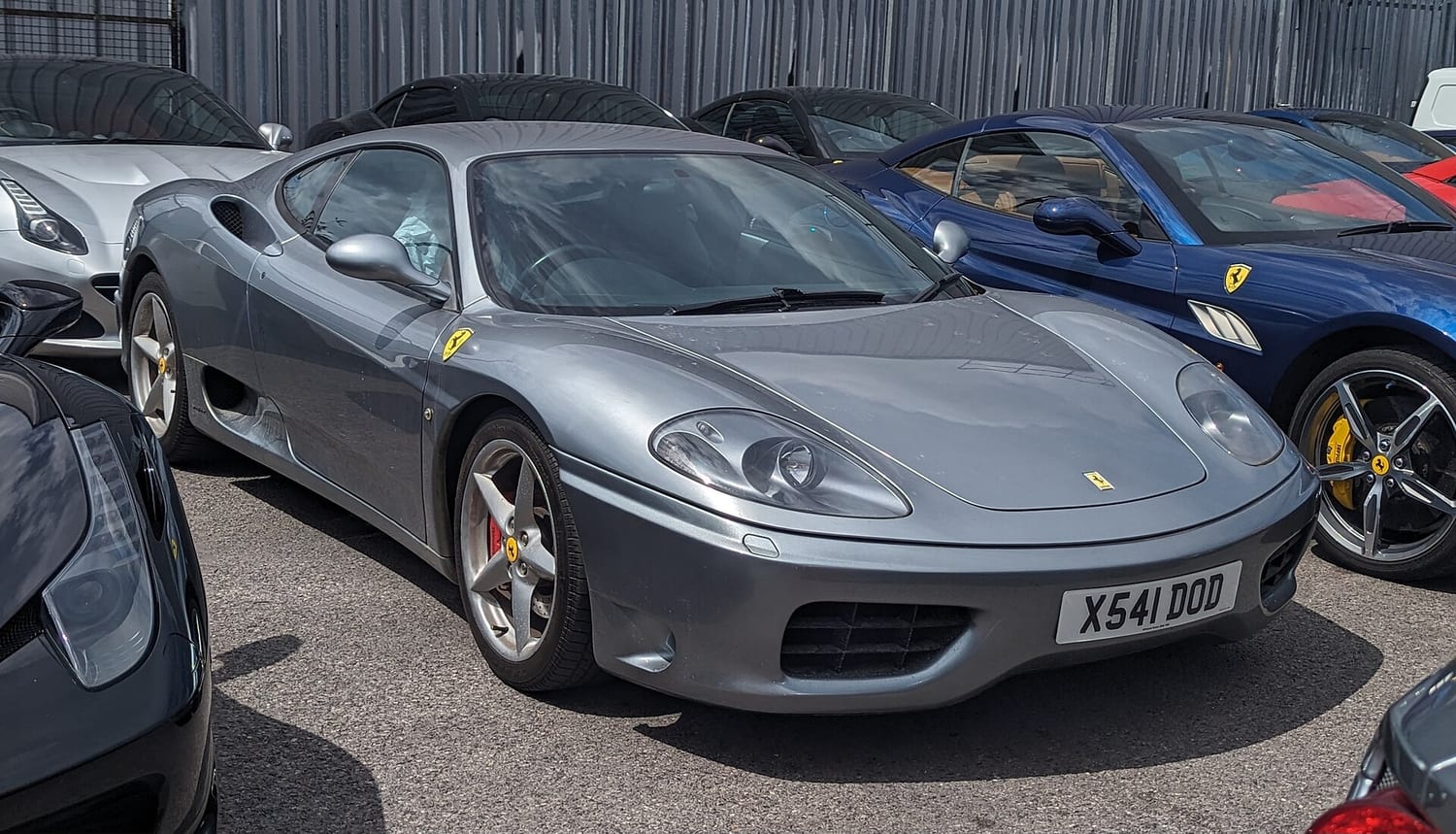
A supercar gives very little warning before it becomes expensive. A clutch that is worn, a service that was skipped or a repair that was done badly can cost more than a good used family car, and the price of the car does nothing to lower the bill. That is why I prefer to treat a supercar purchase as a research project first and an auction second.
Service History Comes First
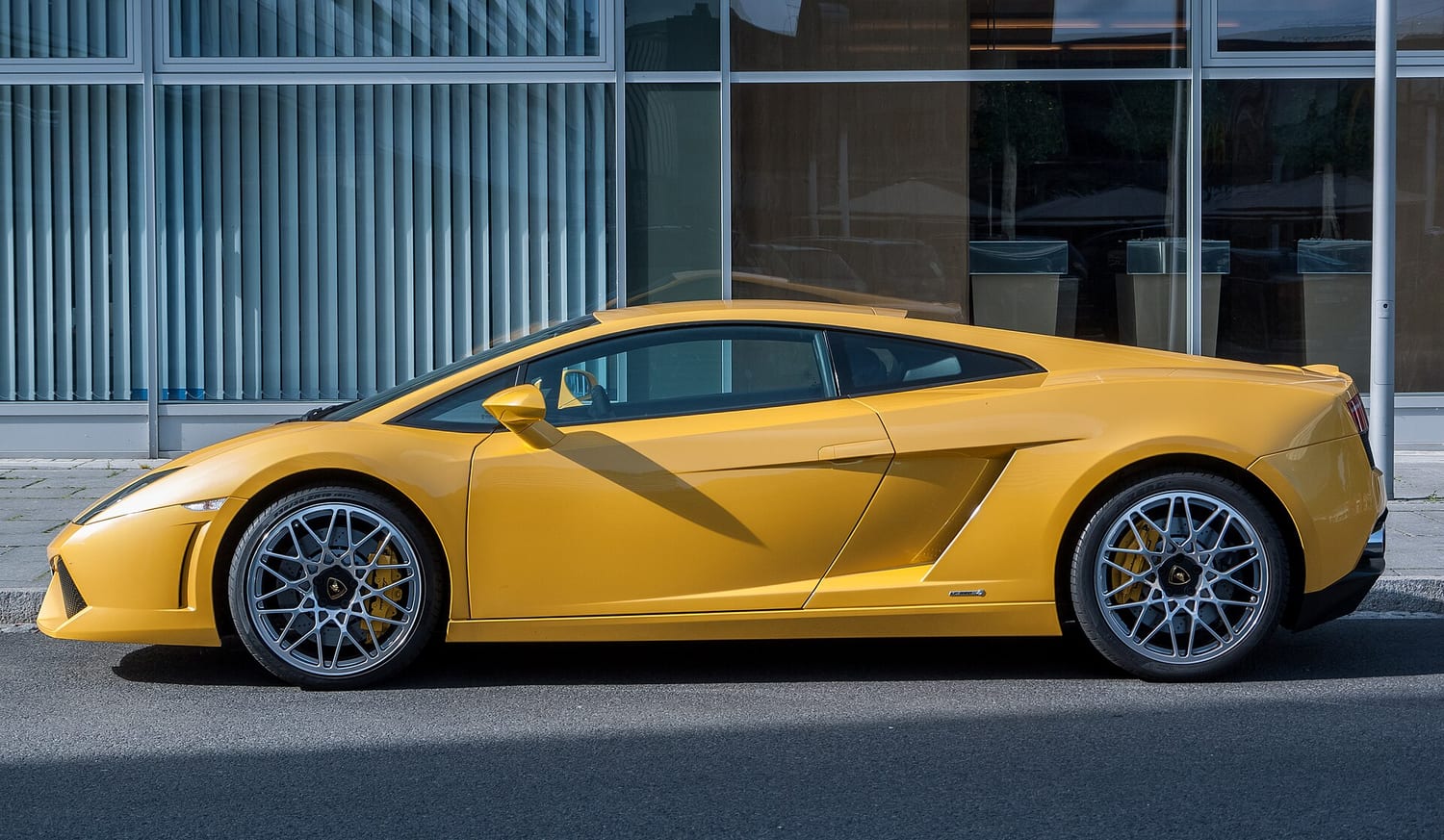
Ask for every invoice, and look for work done by a recognised specialist or an authorised dealer. Dates and mileage should line up. On some models, major services involve removing the engine from the car, so ask for proof that any such work was carried out at the interval the maker recommends. A car without a history file is a car you cannot judge, and the price should reflect it.
Accident History and Paint
A paint-thickness gauge shows which panels have been refinished, and an experienced specialist can read the readings against what is normal for the model. A repaired panel is not automatically a problem, but the quality of the repair is, and so is the record of why it was done. Ask directly whether the car has been in an accident, and ask for photographs of any repair.
Mechanical Checks
Many supercars rely on specialised parts that are costly to replace, so find out what is due.
Gearbox and clutch
Automated manual gearboxes, found on many models, wear clutches in ways that depend heavily on how the car was driven. Ask when the clutch was last replaced and what the wear reading is.
Brakes
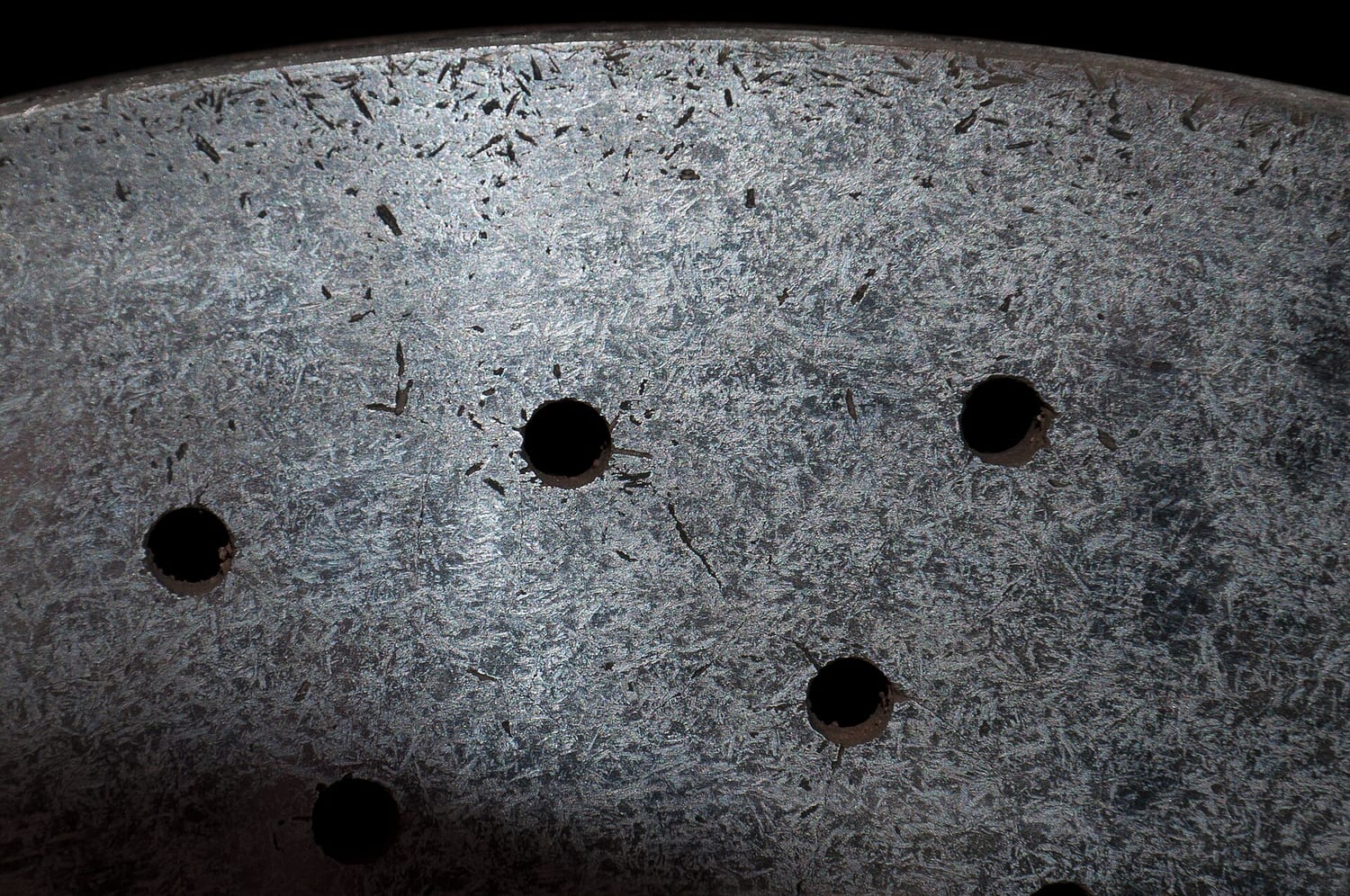
Some supercars use carbon-ceramic discs, which can last a long time and cost a great deal to replace. Ask for photos of the discs and for the measured wear.
Tyres
Supercar tyres are expensive and specific. Check the four-digit date code on each sidewall, and remember that tyres age on the calendar as well as on the road.
The Low-Mileage Trap
A car with very few kilometres is attractive and can be a very good buy. It can also be a car that stood still, with dry seals, old fluids and perished rubber. Ask what has been done to recommission it and whether the work is documented. Low mileage with no maintenance record is a risk.
Documents and Certificates
Check the registration, the import papers if the car came from another country and any recall or software update records. For some brands, the maker will certify that a car is original, and a certificate can support the price. Our guide to papers and proof of ownership lists what a buyer should see.
Get a Specialist to Look
For a supercar, an inspection by a specialist who knows the model is the best money you will spend. They know where those cars fail and what a good one looks like. We explain when it pays in our article on the pre-purchase inspection.
Registration and Import Questions
Many supercars cross borders at least once in their lives, and the paperwork has to follow. Check which country the car is registered in, whether import duties and taxes were paid, and whether the car meets the rules where you intend to register it. Ask for copies of the import documents and for proof that any required inspection or conversion was done. A car that cannot be registered where you live is an expensive ornament.
Protect the Payment
At the end, the money matters as much as the car. On our platform the winner pays into escrow and the funds are released only when both sides confirm the handover, as we describe in our guide to escrow. Combine that with a careful inspection and a firm limit, and a supercar auction becomes a decision you can make calmly. Find cars to compare on our classic cars and supercars page.
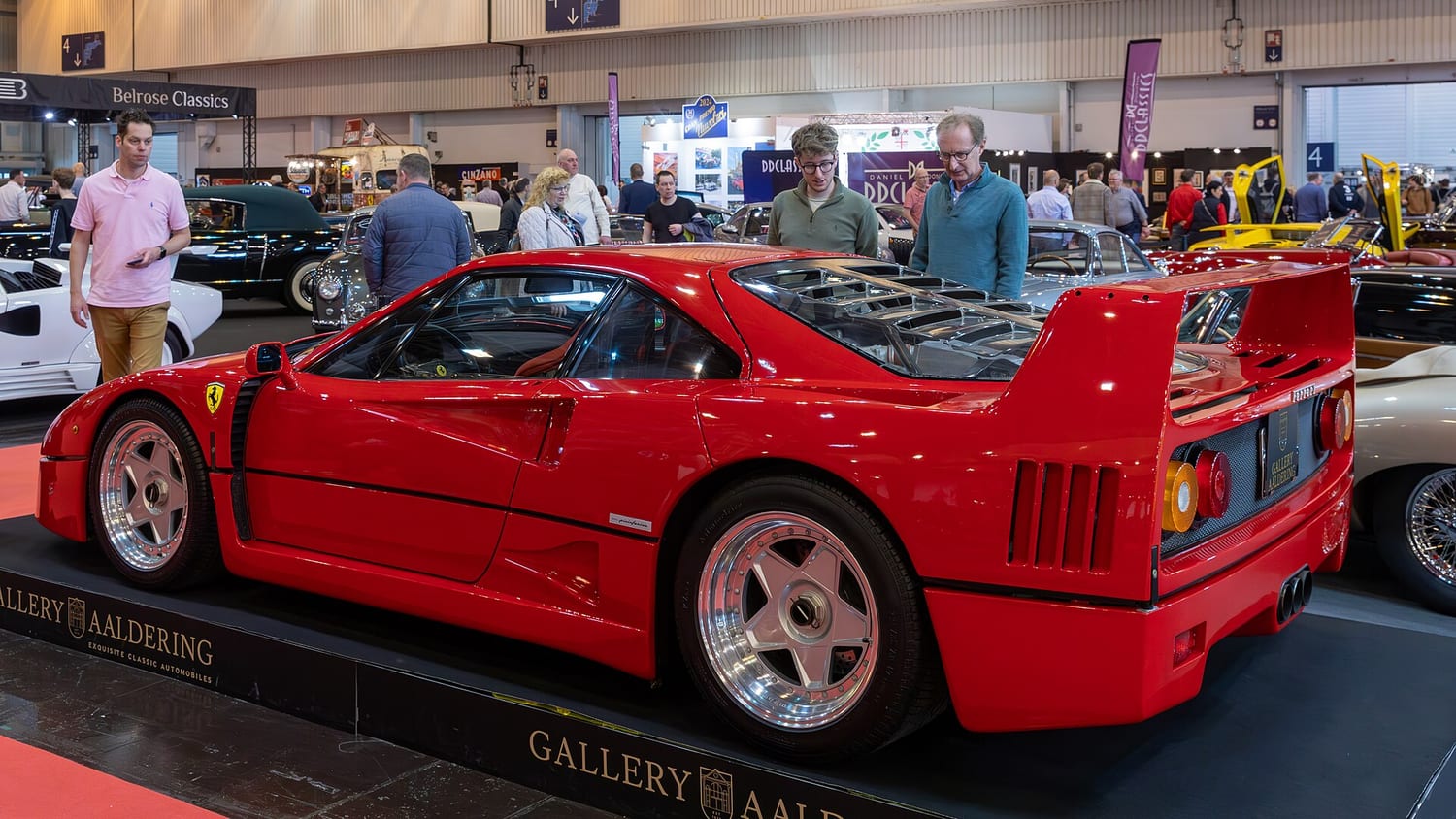
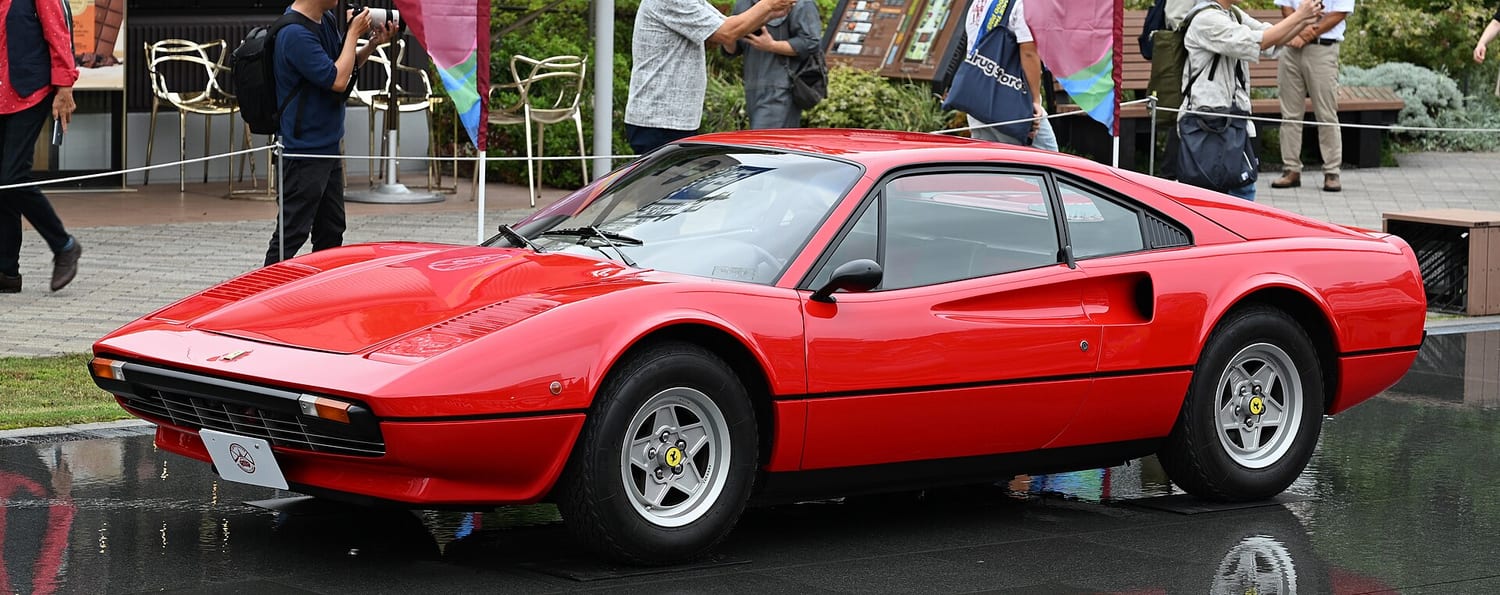
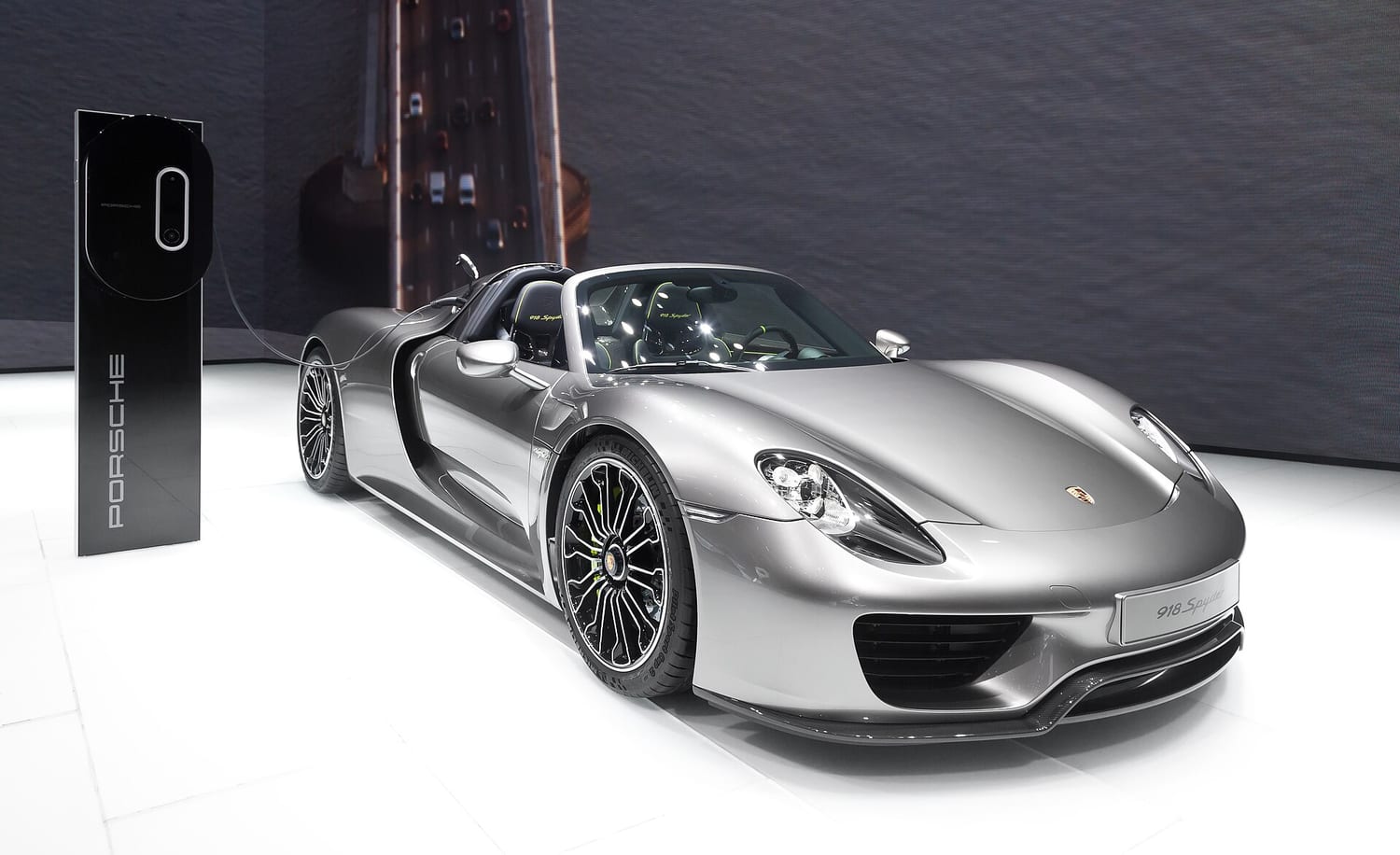
Photo credit: Calreyn88 (CC BY-SA 4.0), Ermell (CC BY-SA 4.0), Julian Herzog ( Website ) (CC BY 4.0)



Comment (00)